
Smith Fracture
Recover wrist movement, strength, and confidence after a Smith fracture with personalised rehabilitation designed for a safe return to everyday activities.
Contents
Take the First Step Towards Better Movement
Our experienced physiotherapists are here to help you improve mobility, regain strength, and move with greater comfort and confidence.
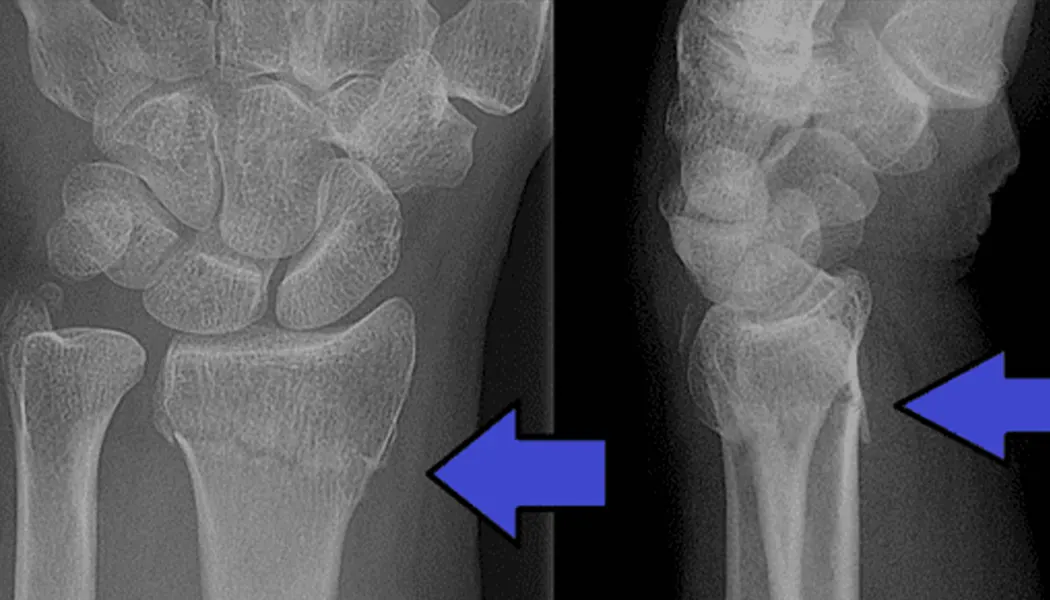
What is Smith Fracture?
A Smith Fracture is a fracture of the distal radius, the lower end of the larger forearm bone near the wrist. In a typical Smith fracture, the broken part of the radius is displaced toward the palm side of the wrist. It commonly occurs after a fall onto a bent wrist, a direct blow, or other trauma to the forearm. Pain, swelling, bruising, deformity, and difficulty moving the wrist are common symptoms. Treatment may involve realigning the bone, immobilisation in a cast, or surgery, depending on the fracture pattern and degree of displacement. At Pure Physio, rehabilitation after appropriate medical treatment focuses on restoring wrist and forearm mobility, strength, grip, and functional use of the hand.
A Smith Fracture is a type of distal radius fracture.
The forearm has two main bones:
Radius: The bone on the thumb side of the forearm.
Ulna: The bone on the little-finger side of the forearm.
The distal radius is the end of the radius located near the wrist.
In a Smith fracture, the distal part of the fractured radius typically moves or tilts toward the palm side, also called the volar side.
This is generally the opposite direction of displacement seen in a Colles fracture.
Smith fractures are sometimes referred to as:
Reverse Colles Fractures
They may be:
Extra-Articular
The fracture does not extend into the wrist joint.
Intra-Articular
The fracture extends into the wrist joint.
The severity of the injury can vary from a relatively simple fracture to a displaced or complex fracture involving the joint and surrounding structures.
Prompt medical assessment is important to ensure proper alignment and healing.
What Are The Symptoms Of Smith Fracture?
Sudden Wrist Pain: Significant pain usually develops immediately after the injury.
Swelling: The wrist and surrounding area may become swollen.
Tenderness: The area over the distal radius may be painful when touched.
Bruising: Discolouration may develop around the wrist and forearm.
Visible Deformity: The wrist may appear unusually shaped when the fracture is displaced.
Difficulty Moving the Wrist: Bending, straightening, or moving the wrist may be painful or restricted.
Reduced Forearm Movement: Turning the palm upward or downward may be difficult.
Reduced Grip Strength: Holding objects may be painful or difficult.
Pain When Using the Hand: Everyday tasks involving the hand and wrist may aggravate symptoms.
Difficulty Carrying Weight: Lifting or carrying objects may be difficult.
Numbness or Tingling: In some cases, swelling or associated injury may affect nearby nerves.
Reduced Hand Function: Writing, typing, dressing, cooking, and other daily tasks may become difficult.
A serious wrist injury should be assessed promptly because fractures, joint injuries, nerve involvement, and circulation problems may occur together.
What Are The Causes Of Smith Fracture?
A Smith fracture occurs when significant force causes the distal radius to break.
Fall onto a Flexed Wrist: A common mechanism involves falling with the wrist bent forward.
Direct Blow to the Back of the Wrist or Forearm: A strong impact can cause the bone to fracture.
Road Traffic Accidents: High-energy trauma may cause a more severe or complex fracture.
Sports Injuries: Falls or direct impacts during sports can result in a wrist fracture.
Workplace Accidents: Falls or trauma involving the arm may cause injury.
Contact Injuries: A forceful blow during an accident or physical activity can fracture the distal radius.
Bone Weakness: Conditions that reduce bone strength, such as osteoporosis, may increase the risk of fractures following a fall.
The type of force, direction of impact, bone strength, and position of the wrist at the time of injury can influence the fracture pattern.
Diagnosis Of Smith Fracture
Medical History: A healthcare professional will ask how the injury occurred and about symptoms such as pain, swelling, numbness, and difficulty moving the wrist.
Physical Examination: The wrist and forearm are examined for tenderness, swelling, bruising, deformity, and movement limitations.
Neurovascular Assessment: Sensation, finger movement, skin colour, temperature, and circulation are checked.
X-Rays: X-rays are the main investigation used to confirm the fracture and assess bone alignment and displacement.
Assessment of the Wrist Joint: The healthcare professional checks whether the fracture extends into the joint.
CT Scan: A CT scan may be used for complex fractures or when more detailed assessment is required.
MRI: MRI may be considered in selected cases to assess associated ligament, cartilage, or soft-tissue injuries.
Follow-Up X-Rays: Repeat imaging may be used to monitor fracture position and healing.
Treatment Of Smith Fracture
Treatment depends on the fracture pattern, degree of displacement, joint involvement, bone stability, and individual needs.
Immobilisation: A splint or cast may be used to protect the wrist and allow the bone to heal.
Closed Reduction: If the bone is displaced, a doctor may realign the fracture without open surgery.
Casting: After successful alignment, a cast may be used to maintain the correct position during healing.
Surgical Fixation: Unstable, significantly displaced, or complex fractures may require surgery.
Internal Fixation: Plates, screws, pins, or other fixation methods may be used to stabilise the fracture.
External Fixation: In selected complex injuries, an external device may be used to stabilise the bone.
Pain Management: A doctor may recommend appropriate medication for pain control.
Swelling Management: Elevation and other medically appropriate measures may be recommended.
Follow-Up Imaging: X-rays may be performed to ensure the fracture remains aligned during healing.
Rehabilitation: Once medically cleared, physiotherapy can help restore movement, strength, and hand function.
It is important to follow the treating orthopaedic specialist’s instructions regarding cast care, movement, lifting, and weight-bearing.
What Is The Physiotherapy Treatment Of Smith Fracture
Physiotherapy is planned according to the stage of bone healing, type of treatment, and recommendations of the treating orthopaedic specialist.
Detailed Assessment: At Pure Physio, we assess pain, swelling, wrist movement, forearm rotation, finger mobility, grip strength, elbow and shoulder function, and everyday activity limitations.
Finger Mobility Exercises: When permitted, gentle exercises may help maintain movement and reduce stiffness in the fingers and hand.
Wrist Mobility Exercises: After appropriate medical clearance, controlled exercises help gradually restore wrist bending, straightening, and side-to-side movement.
Forearm Rotation Exercises: Rehabilitation may include exercises to improve pronation and supination, helping restore the ability to turn the palm downward and upward.
Elbow and Shoulder Mobility: Exercises may help maintain movement in nearby joints during recovery.
Pain and Swelling Management: Appropriate rehabilitation strategies may be used to support comfort and reduce the impact of swelling.
Progressive Strengthening: Strengthening exercises are gradually introduced as bone healing and medical clearance allow.
Grip Strengthening: Specific exercises may help restore grip and hand strength.
Hand Function Training: Therapy may focus on practical tasks such as writing, typing, dressing, eating, cooking, and handling objects.
Scar Management: Where surgery has been performed and the incision has appropriately healed, suitable scar management may be included.
Progressive Loading: Weight-bearing and lifting are gradually reintroduced according to fracture healing and medical guidance.
Functional Rehabilitation: Exercises are adapted to the demands of work, household activities, exercise, and hobbies.
Return-to-Sport Training: Athletes may receive progressive rehabilitation based on their sport and medical clearance.
Home Exercise Programme: A personalised exercise programme may support ongoing recovery between physiotherapy sessions.
Why Choose Pure Physio?
Individualised Post-Fracture Assessment: We assess your movement, strength, pain, swelling, grip, and functional limitations to create a suitable rehabilitation plan.
Personalised Recovery Programme: Treatment is adapted according to your fracture, method of treatment, stage of healing, symptoms, and personal goals.
Safe Exercise Progression: Mobility and strengthening exercises are progressed gradually according to healing and medical guidance.
Focus on Wrist and Hand Function: Rehabilitation addresses the movements and strength needed for gripping, lifting, carrying, writing, and everyday activities.
Whole Upper-Limb Rehabilitation: We also consider the fingers, forearm, elbow, and shoulder to support overall arm function.
Strength and Mobility Recovery: Treatment aims to gradually restore comfortable movement, grip strength, and confidence in using the affected hand.
Functional Rehabilitation: Exercises are adapted to help you return to work, household tasks, hobbies, fitness, and other important activities.
Support Following Surgery: Where appropriate, rehabilitation can support recovery after surgical fixation according to the surgeon’s recommendations.
Integrated Care Approach: We work alongside orthopaedic recommendations and can adapt your rehabilitation programme according to follow-up findings and the guidance of your treating medical team.
Start Your Recovery Journey Today
Don’t let pain, stiffness, or reduced mobility affect your daily life. Get personalised physiotherapy care designed around your condition and recovery goals.