
Shoulder Impingement
Get personalised assessment and physiotherapy at Pure Physio to restore movement and support a confident return to daily activities.
Contents
Take the First Step Towards Better Movement
Our experienced physiotherapists are here to help you improve mobility, regain strength, and move with greater comfort and confidence.
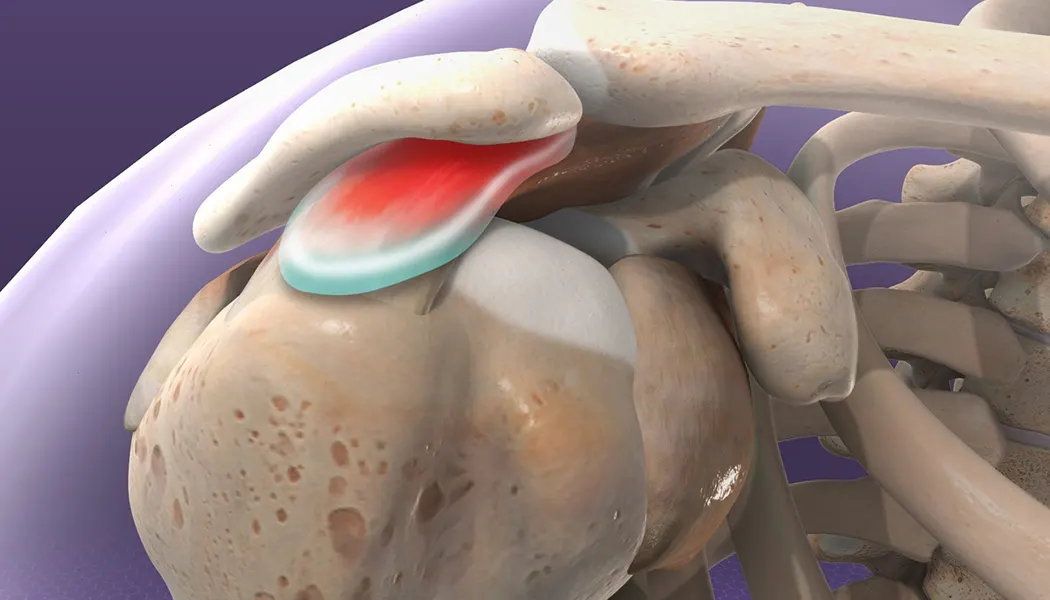
What is Shoulder Impingement?
Shoulder Impingement is a commonly used term for pain that develops when structures in the shoulder become irritated or sensitive during certain arm movements, especially lifting the arm.
The shoulder is a highly mobile joint made up of several bones, muscles, tendons, ligaments, and soft tissues. The rotator cuff muscles and tendons play an important role in controlling and stabilising the shoulder during movement.
A fluid-filled structure called the subacromial bursa helps reduce friction between certain shoulder structures.
When the arm is lifted, these structures move and interact within the space beneath part of the shoulder blade called the acromion. Pain in this region may develop due to several factors, including tendon-related problems, bursal irritation, changes in shoulder movement, repeated loading, weakness, or reduced tolerance to certain activities.
The term Subacromial Pain Syndrome is also used to describe some forms of shoulder pain previously labelled as shoulder impingement. A proper assessment is important because shoulder pain can have different causes, and not all pain during arm elevation is due to a structure physically being “pinched.”
Shoulder impingement-like symptoms can affect people involved in repetitive overhead work, sports, weight training, manual labour, or activities that repeatedly load the shoulder. However, shoulder pain can also occur without a clear injury.
What Are The Symptoms Of Shoulder Impingement?
Pain When Lifting the Arm: Pain may occur when raising the arm to the side or overhead.
Pain During Overhead Activities: Reaching for objects, lifting overhead, throwing, swimming, or other overhead movements may cause discomfort.
Pain at the Front or Side of the Shoulder: Symptoms are commonly felt around the outer or upper part of the shoulder.
Painful Arc During Movement: Some people experience more pain during a particular part of the arm-lifting movement.
Pain When Reaching Behind the Back: Activities such as dressing, fastening clothing, or reaching into a back pocket may be uncomfortable.
Night Pain: Shoulder discomfort may become more noticeable when lying on the affected side or during certain sleeping positions.
Shoulder Weakness: Pain or reduced muscle capacity may make lifting, pushing, or carrying objects difficult.
Reduced Range of Motion: The shoulder may feel stiff or difficult to move comfortably.
Pain During Repetitive Activities: Repeated lifting, reaching, throwing, or overhead work may gradually increase symptoms.
Clicking or Catching Sensation: Some people may notice sounds or sensations during shoulder movement, although these do not always indicate a serious problem.
Difficulty with Everyday Activities: Dressing, combing hair, reaching shelves, lifting bags, driving, or performing work tasks may become difficult.
What Are The Causes Of Shoulder Impingement?
Rotator Cuff-Related Shoulder Pain: Irritation or reduced load tolerance of the rotator cuff tendons can contribute to pain during shoulder movement.
Repetitive Overhead Activities: Frequent reaching, lifting, throwing, swimming, or overhead work can repeatedly load shoulder structures.
Sudden Increase in Activity: Rapidly increasing exercise intensity, training volume, weight, or overhead activity may overload the shoulder.
Shoulder Muscle Weakness: Reduced strength or endurance in the rotator cuff and other supporting muscles may affect the shoulder’s ability to tolerate activity.
Poor Shoulder Movement Control: Changes in how the shoulder and shoulder blade move may contribute to symptoms in some individuals.
Bursitis: Irritation of the subacromial bursa can cause pain, particularly during arm movement.
Previous Shoulder Injury: A history of trauma, tendon injury, or instability may contribute to recurring shoulder symptoms.
Age-Related Tendon Changes: Tendon changes become more common with increasing age and may influence shoulder pain and function.
Postural and Activity Factors: Prolonged positions or repeated activities may contribute to muscle fatigue or symptoms in some people, although posture alone is not usually the sole cause.
Joint Changes: Changes affecting the shoulder or nearby joints may contribute to pain and movement limitations.
Individual Load Tolerance: Shoulder pain may develop when activity demands exceed the current capacity of the muscles and tendons.
Diagnosis Of Shoulder Impingement
Medical History: A healthcare professional will ask when the pain began, which movements cause symptoms, recent changes in work or exercise, previous injuries, and the effect on daily activities.
Physical Examination: The shoulder, neck, upper back, and shoulder blade may be assessed for movement, strength, tenderness, and functional limitations.
Range of Motion Assessment: Active and passive shoulder movement may be evaluated to identify painful or restricted movements.
Strength Testing: The rotator cuff and other shoulder muscles may be assessed for weakness or pain during resisted movements.
Shoulder Function Tests: Specific clinical tests may help reproduce symptoms and provide information about possible structures contributing to pain. No single test alone can confirm every cause of shoulder pain.
Movement Assessment: Reaching, lifting, overhead movements, work tasks, and sport-specific activities may be assessed where relevant.
X-Ray: An X-ray may be considered to assess bones, joint changes, calcification, or other structural causes of symptoms.
Ultrasound: Ultrasound may be used in selected cases to assess tendons, the bursa, and other soft tissues.
MRI Scan: MRI may be considered when a significant tendon injury, labral problem, or another shoulder condition is suspected.
Assessment of Other Causes: A healthcare professional may assess the neck, nerves, and other regions because pain can sometimes be referred to the shoulder.
Treatment Of Shoulder Impingement
Activity Modification: Temporarily modifying movements or activities that significantly aggravate symptoms may help manage shoulder pain while maintaining appropriate activity.
Physiotherapy: A personalised physiotherapy programme may help suitable patients improve shoulder movement, strength, control, and tolerance to daily activities.
Progressive Exercise Rehabilitation: Carefully selected exercises may strengthen the rotator cuff, shoulder blade muscles, and other supporting muscles.
Mobility Exercises: Appropriate exercises may help address relevant restrictions in shoulder, upper-back, or nearby joint movement.
Pain Management: A qualified healthcare professional may recommend appropriate medication or other options to manage pain when required.
Manual Therapy: Where clinically appropriate, hands-on techniques may be used as part of a broader rehabilitation programme.
Cold or Heat Therapy: Depending on the individual and stage of symptoms, cold or heat therapy may provide temporary relief.
Corticosteroid Injection: In selected cases, a qualified medical specialist may consider an injection to help manage significant pain or inflammation.
Other Medical Treatment: Further specialist assessment may be required when symptoms suggest another shoulder condition or do not improve with appropriate conservative care.
Surgical Treatment: Surgery is not required for most people with shoulder impingement-like symptoms. It may be considered only in selected cases where a specific structural problem requires surgical management.
What Is The Physiotherapy Treatment Of Shoulder Impingement
Detailed Shoulder Assessment: At Pure Physio, treatment begins with understanding your pain, shoulder movement, strength, activity demands, work or sports requirements, and individual recovery goals.
Pain and Load Management: Your physiotherapist helps identify activities that are currently exceeding your shoulder’s tolerance and develops a plan to modify and gradually reintroduce them.
Shoulder Mobility Exercises: Carefully selected exercises may help improve available shoulder movement and reduce stiffness where relevant.
Rotator Cuff Strengthening: Progressive exercises may help improve the strength and endurance of the rotator cuff muscles that support shoulder movement.
Scapular Strengthening and Control: Exercises may target the muscles that control the shoulder blade to support efficient shoulder movement.
Upper-Back Mobility: Where relevant, exercises may address movement restrictions in the thoracic spine and surrounding areas.
Progressive Resistance Training: The shoulder is gradually exposed to increasing levels of resistance based on symptoms, physical capacity, and functional goals.
Movement Retraining: Therapy may focus on improving the way you perform important movements such as reaching, lifting, pushing, pulling, and overhead activities.
Manual Therapy: Where appropriate, hands-on techniques may be used to address relevant joint stiffness or soft tissue restrictions.
Functional Rehabilitation: Treatment progresses towards activities that matter to you, including dressing, household tasks, work, gym exercises, swimming, throwing, or other sports activities.
Gradual Return to Sport or Work: Activity is progressively increased according to shoulder capacity and the specific demands of your job or sport.
Home Exercise Programme: You may receive a personalised programme to continue appropriate mobility, strengthening, and shoulder-control exercises between sessions.
Why Choose Pure Physio?
Detailed Individual Assessment: We assess your pain, shoulder movement, muscle strength, functional limitations, activity demands, and potential contributing factors.
Personalised Treatment Plans: Every shoulder is different. Your rehabilitation programme is tailored according to your symptoms, physical findings, lifestyle, and recovery goals.
Exercise-Based Rehabilitation: We use progressive, individually selected exercises to help suitable patients improve shoulder strength, movement, and activity tolerance.
Focus on Functional Recovery: Rehabilitation is designed around the activities that matter most to you, whether that is reaching, lifting, working, exercising, or playing sports.
Progressive Return to Activity: We help you gradually build the shoulder capacity needed for everyday activities, work, gym training, and sport.
Practical Self-Management Guidance: You receive advice on managing activity, progressing exercises, and understanding factors that may influence shoulder symptoms.
Integrated Care Approach: Where further medical investigation, imaging, injections, or specialist care is required, physiotherapy can form part of a coordinated treatment plan focused on your individual recovery.
Start Your Recovery Journey Today
Don’t let pain, stiffness, or reduced mobility affect your daily life. Get personalised physiotherapy care designed around your condition and recovery goals.