Shoulder Dislocation
Regain shoulder strength, stability, and confidence with personalised physiotherapy rehabilitation after a shoulder dislocation.
Contents
Take the First Step Towards Better Movement
Our experienced physiotherapists are here to help you improve mobility, regain strength, and move with greater comfort and confidence.
What is Shoulder Dislocation?
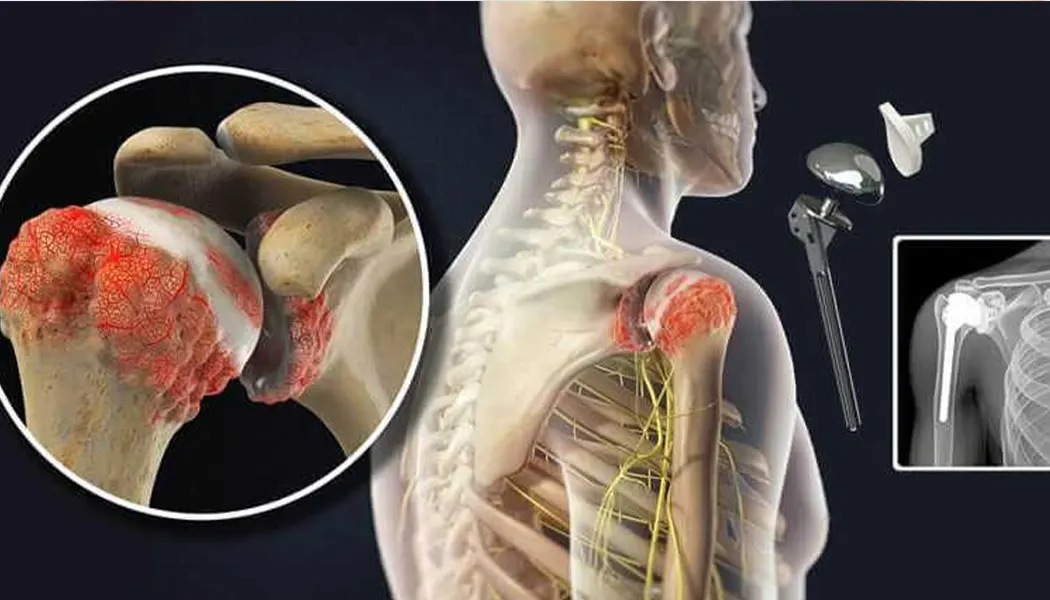
The shoulder is a highly mobile ball-and-socket joint formed by the head of the upper arm bone (humerus) and the socket of the shoulder blade (glenoid). Because the shoulder has a wide range of movement, it relies on muscles, ligaments, the joint capsule, and the labrum for stability.
A shoulder dislocation happens when the head of the humerus completely comes out of the glenoid socket. A shoulder subluxation is different because the joint only partially slips out of position.
Most shoulder dislocations are anterior dislocations, meaning the upper arm bone moves forward from the socket. Less commonly, the shoulder can dislocate backward (posterior dislocation) or downward (inferior dislocation).
A dislocation can damage structures around the joint, including the capsule, ligaments, labrum, muscles, tendons, nerves, and sometimes bone. This is why a suspected shoulder dislocation requires prompt medical assessment and should not be forced back into place by an untrained person.
What Are The Symptoms Of Shoulder Dislocation?
Common Symptoms
Severe Shoulder Pain: Pain usually occurs suddenly and can be intense.
Visible Deformity: The shoulder may appear visibly out of position or have an unusual shape.
Inability to Move the Arm Normally: Moving the arm can be extremely difficult or impossible.
Arm Held in a Protective Position: The person may hold the arm in a fixed or supported position to reduce pain.
Swelling: The area around the shoulder may become swollen.
Bruising: Bruising may develop following injury.
Tenderness: The shoulder is often painful when touched.
Other Possible Symptoms
Feeling That the Shoulder Has “Popped Out”: Some people notice a sudden slipping or popping sensation.
Shoulder Instability: The shoulder may feel loose or as though it could dislocate again after the initial injury.
Weakness: Damage, pain, or muscle inhibition can reduce shoulder strength.
Numbness or Tingling: Nerve irritation or injury may cause altered sensation in the shoulder, arm, or hand.
Reduced Sensation: The arm may feel numb in certain areas.
Muscle Spasm: Surrounding muscles may tighten in response to pain and instability.
Persistent numbness, weakness, a cold or pale arm, or significant changes in sensation require urgent medical attention.
What Are The Causes Of Shoulder Dislocation?
Falls: Landing on an outstretched arm or directly onto the shoulder can force the joint out of position.
Sports Injuries: Contact sports and activities involving falls or overhead movements can increase the risk.
Direct Trauma: A strong impact to the shoulder can cause dislocation.
Road Traffic Accidents: High-force injuries can damage the shoulder joint.
Forced Arm Position: Excessive movement, particularly involving abduction and external rotation, can cause an anterior dislocation.
Previous Shoulder Dislocation: A history of dislocation can increase the risk of recurrent instability.
Joint Hypermobility: Increased joint flexibility may contribute to instability in some individuals.
Muscle Weakness: Poor control of the shoulder and surrounding muscles may contribute to reduced stability.
Structural Changes: Damage to the labrum, ligaments, or bone can increase the risk of recurrent dislocation.
Diagnosis Of Shoulder Dislocation
Medical History: A healthcare professional will ask how the injury happened, the position of the arm, previous dislocations, and current symptoms.
Physical Examination: The shape of the shoulder, pain, swelling, movement, and possible nerve or blood vessel involvement are assessed.
Neurovascular Examination: Sensation, muscle function, pulses, and circulation are checked.
X-Rays: X-rays confirm the dislocation and help identify associated fractures.
Post-Reduction X-Rays: Imaging may be repeated after the shoulder is relocated to confirm correct joint alignment.
MRI Scan: MRI may identify injuries to the labrum, ligaments, rotator cuff, cartilage, or other soft tissues.
CT Scan: CT may be used to assess bone injuries or bone loss in greater detail.
Prompt assessment is important because associated fractures, nerve injuries, and vascular injuries may require specific treatment.
Treatment Of Shoulder Dislocation
Emergency Assessment: A suspected shoulder dislocation should be assessed promptly by a qualified healthcare professional.
Joint Reduction: A trained medical professional carefully returns the shoulder to its correct position.
Pain Management: Appropriate medication may be used to manage pain and allow safe treatment.
Immobilisation: A sling may be recommended for a period depending on the injury and medical advice.
Medical Imaging: X-rays and, when required, further imaging assess joint alignment and associated injuries.
Physiotherapy: Rehabilitation helps restore movement, strength, shoulder control, and stability.
Activity Modification: Activities that place excessive stress on the healing shoulder may need to be temporarily avoided.
Strengthening Programme: Progressive exercises help restore the strength of the rotator cuff and shoulder blade muscles.
Surgery: Surgery may be considered when there is significant structural damage, associated fractures, or recurrent shoulder instability.
The rehabilitation programme depends on factors such as age, type of dislocation, associated injuries, whether surgery was required, and personal activity goals.
What Is The Physiotherapy Treatment Of Shoulder Dislocation
Detailed Assessment: At Pure Physio, we assess pain, swelling, shoulder movement, muscle strength, joint stability, posture, functional limitations, and the stage of healing.
Individualised Rehabilitation Programme: Your treatment is based on the type of dislocation, associated injuries, medical findings, healing stage, and personal goals.
Pain and Symptom Management: Appropriate physiotherapy strategies may help manage pain and support comfortable movement.
Protected Early Movement: Once medically appropriate, gentle exercises help restore movement while protecting healing tissues.
Range of Motion Exercises: Exercises are progressed gradually to improve shoulder flexibility and mobility.
Scapular Control Training: Rehabilitation strengthens and improves control of the muscles around the shoulder blade.
Rotator Cuff Strengthening: Progressive exercises help restore the strength and function of the muscles that support shoulder stability.
Shoulder Strengthening: Exercises target appropriate upper-limb muscles as recovery progresses.
Proprioception Training: Specific activities help improve awareness and control of shoulder position and movement.
Joint Stability Training: Exercises focus on improving active muscular support around the shoulder.
Functional Movement Training: Therapy prepares you for practical activities such as dressing, reaching, lifting, pushing, and pulling.
Overhead Movement Rehabilitation: Overhead activities are gradually reintroduced when appropriate.
Sport-Specific Rehabilitation: Exercises can be progressed to meet the physical demands of your sport.
Return-to-Work Rehabilitation: Treatment can address lifting, carrying, reaching, and other work-related activities.
Post-Operative Rehabilitation: If surgery is required, your physiotherapy programme follows the surgeon’s guidance and appropriate healing timelines.
Home Exercise Programme: A personalised programme supports continued progress between physiotherapy sessions.
Progress Monitoring: Your rehabilitation is regularly reviewed and progressed according to symptoms, strength, movement, stability, and functional recovery.
Why Choose Pure Physio?
Comprehensive Shoulder Assessment: We assess pain, movement, strength, stability, posture, and functional limitations.
Personalised Rehabilitation Plans: Your treatment is tailored according to the type of dislocation, associated injuries, healing stage, and personal goals.
Focus on Safe Recovery: Exercises are progressed appropriately to support healing while reducing unnecessary stress on the shoulder.
Restore Shoulder Movement: We help gradually improve comfortable and functional range of motion.
Build Strength and Stability: Rehabilitation focuses on the rotator cuff, shoulder blade, and surrounding muscles that support the joint.
Improve Movement Control: Proprioception and control exercises help improve shoulder awareness and stability.
Reduce Recurrent Instability Risk: Treatment addresses modifiable factors such as muscle weakness and reduced movement control.
Functional Rehabilitation: Therapy prepares you for everyday activities, work, and recreational tasks.
Sport-Specific Rehabilitation: We can help prepare your shoulder for the movements and demands of your sport.
Post-Surgical Rehabilitation: We provide structured rehabilitation following shoulder stabilisation or other relevant surgery.
Home Exercise Guidance: You receive a personalised programme to support continued recovery outside your appointments.
Regular Progress Monitoring: Your programme is reviewed and adapted as your movement, strength, and function improve.
Integrated Care Approach: We work alongside orthopaedic specialists, sports medicine professionals, surgeons, and other healthcare providers when required.
Focused on Long-Term Shoulder Health: Our goal is to help reduce pain, restore movement, rebuild strength and stability, improve confidence, and support a safe return to the activities that matter most.
Start Your Recovery Journey Today
Don’t let pain, stiffness, or reduced mobility affect your daily life. Get personalised physiotherapy care designed around your condition and recovery goals.