Shoulder Arthropathy
Get a personalised assessment at Pure Physio to support better mobility, strength, comfort, and everyday shoulder function.
Contents
Take the First Step Towards Better Movement
Our experienced physiotherapists are here to help you improve mobility, regain strength, and move with greater comfort and confidence.
What is Shoulder Arthropathy?
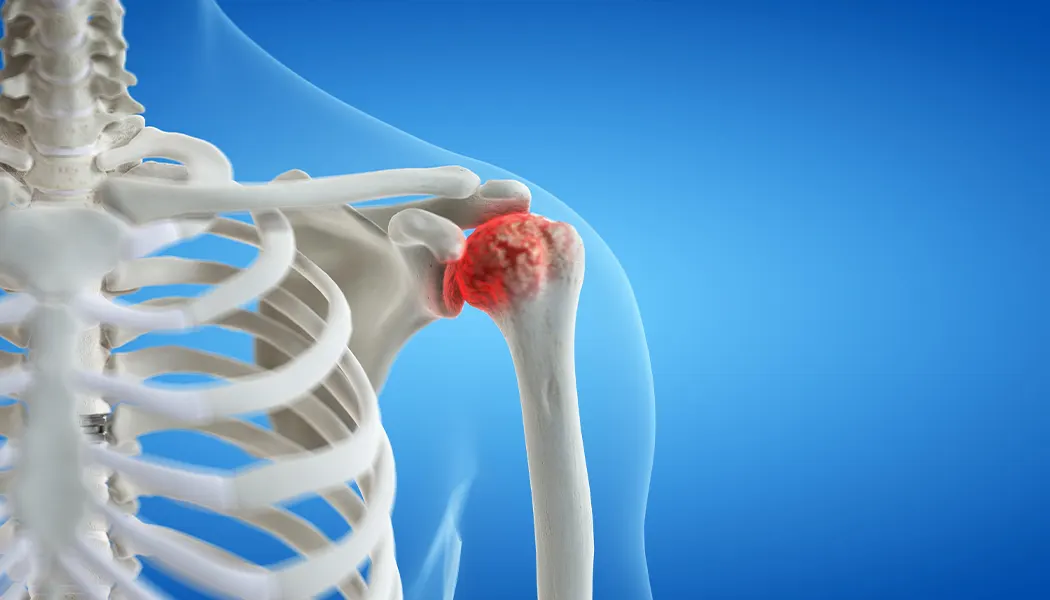
Shoulder Arthropathy refers to a disease or abnormal condition affecting one or more joints of the shoulder.
The shoulder is made up of several joints and structures that work together to provide movement and stability. The main shoulder joint is the glenohumeral joint, where the upper arm bone, known as the humerus, meets the socket of the shoulder blade, known as the glenoid.
Shoulder arthropathy can affect the joint in different ways, depending on its cause.
Osteoarthritis
Osteoarthritis involves gradual changes in joint cartilage and surrounding structures. It may cause pain, stiffness, and reduced movement over time.
Inflammatory Arthropathy
Conditions such as rheumatoid arthritis can cause inflammation affecting the shoulder joint and other joints in the body.
Post-Traumatic Arthropathy
Previous fractures, dislocations, or significant shoulder injuries may contribute to joint changes over time.
Rotator Cuff Tear Arthropathy
Long-standing, severe rotator cuff damage can alter the mechanics of the shoulder and contribute to progressive joint changes.
Crystal-Related Arthropathy
In some cases, crystal deposition conditions may affect joints and cause episodes of pain and inflammation.
The symptoms and appropriate treatment depend on the specific type and severity of shoulder arthropathy. A thorough assessment is important because shoulder pain can also be caused by tendon problems, bursitis, nerve conditions, referred pain, and other musculoskeletal disorders.
What Are The Symptoms Of Shoulder Arthropathy?
Shoulder Pain: Pain may be felt deep within the shoulder joint or around the shoulder region.
Pain During Movement: Lifting, reaching, pushing, pulling, or rotating the arm may increase discomfort.
Shoulder Stiffness: The shoulder may feel tight, restricted, or difficult to move.
Reduced Range of Motion: It may become difficult to lift the arm overhead or reach behind the back.
Pain at Rest: More advanced joint conditions may cause pain even when the shoulder is not being actively used.
Night Pain: Shoulder discomfort may interfere with sleep, particularly when lying on the affected side.
Weakness: Pain, joint changes, or associated muscle and tendon problems may reduce shoulder strength.
Grinding or Clicking: Some people may notice grinding, clicking, or a catching sensation during shoulder movement.
Difficulty with Overhead Activities: Reaching overhead for objects may become painful or difficult.
Difficulty with Daily Activities: Dressing, grooming, bathing, cooking, driving, and household tasks may become challenging.
Reduced Arm Function: Shoulder symptoms may make it difficult to carry, lift, push, or pull objects.
Muscle Wasting: Long-standing shoulder dysfunction may contribute to reduced muscle size or strength around the shoulder.
Joint Swelling or Warmth: Inflammatory forms of arthropathy may cause swelling, warmth, or tenderness.
Symptoms can vary significantly depending on the type of arthropathy and the structures affected.
What Are The Causes Of Shoulder Arthropathy?
Age-Related Joint Changes: Degenerative changes can become more common with increasing age.
Previous Shoulder Injury: Fractures, dislocations, or significant joint injuries may contribute to later joint changes.
Previous Shoulder Surgery: Some individuals may develop joint changes following previous surgery, depending on the underlying condition and outcome.
Repeated Joint Stress: Long-term heavy physical demands or repeated loading may contribute to shoulder symptoms in some individuals.
Osteoarthritis: Progressive degeneration of joint cartilage and other joint structures can lead to arthropathy.
Inflammatory Arthritis: Conditions such as rheumatoid arthritis and other inflammatory disorders may damage the shoulder joint.
Rotator Cuff Tears: Severe or long-standing rotator cuff damage can alter normal shoulder mechanics and contribute to rotator cuff tear arthropathy.
Joint Instability: Repeated dislocations or chronic instability may contribute to joint damage over time.
Fractures: Injuries involving the shoulder joint surfaces may increase the risk of post-traumatic arthropathy.
Crystal Deposition Conditions: Certain crystal-related conditions may cause inflammation and joint damage.
Infection: Rarely, infection affecting the shoulder joint can cause significant joint damage.
The underlying cause should be identified because treatment and prognosis can differ between different forms of shoulder arthropathy.
Diagnosis Of Shoulder Arthropathy
Medical History: A healthcare professional will ask about the location and duration of pain, stiffness, previous injuries, medical conditions, surgeries, activity levels, and changes in shoulder function.
Physical Examination: The shoulder is assessed for movement, strength, tenderness, swelling, joint stability, and functional limitations.
Range of Motion Assessment: Active and passive shoulder movement may be measured.
Strength Testing: The rotator cuff and other shoulder muscles may be assessed for weakness.
Functional Assessment: Everyday activities such as reaching, lifting, dressing, and overhead movements may be evaluated.
X-Ray: X-rays can help assess joint space changes, bone changes, joint alignment, and other signs of arthropathy.
MRI: MRI may be used to assess cartilage, rotator cuff tendons, muscles, ligaments, and other soft tissue structures.
CT Scan: CT may be considered when detailed assessment of bone structure or joint changes is required.
Ultrasound: Ultrasound may be useful for assessing the rotator cuff and other soft tissue structures in selected cases.
Blood Tests: Blood tests may be recommended when inflammatory arthritis, infection, or another systemic condition is suspected.
Joint Fluid Analysis: In selected cases, fluid may be taken from the joint and tested to investigate infection or crystal-related conditions.
Treatment Of Shoulder Arthropathy
Treatment depends on the type of arthropathy, severity of symptoms, level of joint damage, and individual functional needs.
Activity Modification: Temporarily adjusting movements or activities that significantly aggravate symptoms may help improve comfort.
Physiotherapy: A personalised rehabilitation programme may help suitable patients improve shoulder mobility, muscle strength, movement control, and functional capacity.
Exercise Therapy: Carefully selected exercises may help maintain or improve joint movement and support the muscles around the shoulder.
Pain Management: A qualified healthcare professional may recommend appropriate pain-relief medication or other treatments.
Anti-Inflammatory Treatment: Medical treatment may be required for inflammatory forms of arthropathy.
Injection Therapy: Depending on the diagnosis, a qualified specialist may consider appropriate injections for symptom management.
Management of Underlying Disease: In inflammatory or systemic conditions, treatment may involve medication and ongoing management by an appropriate medical specialist.
Assistive Strategies: Modifying daily activities or using supportive equipment may help reduce strain and improve independence.
Surgical Treatment: Severe joint damage or persistent symptoms that do not respond to appropriate conservative treatment may require orthopaedic assessment.
Shoulder Replacement: In selected cases of advanced shoulder joint damage, procedures such as shoulder replacement may be considered.
Post-Surgical Rehabilitation: Physiotherapy may play an important role in restoring movement, strength, and function following surgery.
What Is The Physiotherapy Treatment Of Shoulder Arthropathy
Detailed Physiotherapy Assessment: At Pure Physio, treatment begins with assessing your shoulder pain, range of motion, muscle strength, posture, movement patterns, functional limitations, and individual goals.
Pain and Load Management: Your physiotherapist may help identify activities and movements that aggravate symptoms and guide appropriate modifications.
Shoulder Mobility Exercises: Carefully selected exercises may help maintain or improve comfortable shoulder movement.
Range of Motion Training: Rehabilitation may focus on movements required for reaching, lifting, dressing, and other daily activities.
Rotator Cuff Strengthening: Progressive exercises may help improve the strength and endurance of the muscles that support shoulder movement and stability.
Shoulder Blade Strengthening: Exercises may target the muscles around the shoulder blade to support better shoulder control.
Progressive Resistance Training: Strengthening exercises may be gradually progressed according to symptoms, capacity, and treatment goals.
Postural and Movement Training: Where relevant, physiotherapy may address movement habits and positioning that influence shoulder comfort and function.
Manual Therapy: Where clinically appropriate, hands-on techniques may be used to address relevant movement restrictions or soft tissue problems.
Functional Rehabilitation: Exercises are progressed towards practical activities such as reaching, lifting, carrying, dressing, grooming, and work-related tasks.
Home Exercise Programme: A personalised programme may be provided to support ongoing mobility, strengthening, and symptom management between sessions.
Post-Surgical Rehabilitation: If surgery is performed, physiotherapy may follow the surgeon’s recommended rehabilitation protocol to help restore safe movement, strength, and function.
Why Choose Pure Physio?
Detailed Shoulder Assessment: We assess your pain, joint movement, muscle strength, shoulder control, functional limitations, and individual activity goals.
Personalised Treatment Plans: Your rehabilitation programme is tailored according to the type and severity of your shoulder condition, symptoms, physical capacity, and lifestyle.
Focus on Functional Movement: Our goal is to help suitable patients improve their ability to perform meaningful activities such as reaching, lifting, dressing, working, and exercising.
Exercise-Based Rehabilitation: Carefully selected mobility, strengthening, and movement-control exercises form the foundation of rehabilitation.
Hands-On Care When Appropriate: Manual therapy and other supportive techniques may be included when clinically suitable as part of a comprehensive treatment programme.
Progressive and Goal-Oriented Care: Treatment is progressed according to your symptoms, physical capacity, and recovery goals.
Support for Long-Term Shoulder Health: We provide practical guidance on exercise, activity management, movement, and maintaining shoulder function.
Integrated Care Approach: Where imaging, medical management, injections, rheumatology care, or orthopaedic treatment is required, physiotherapy can form part of a coordinated care plan focused on your individual needs and long-term function.
Start Your Recovery Journey Today
Don’t let pain, stiffness, or reduced mobility affect your daily life. Get personalised physiotherapy care designed around your condition and recovery goals.