Scoliosis
Improve posture, strength, movement, and confidence with personalised physiotherapy for scoliosis.
Contents
Take the First Step Towards Better Movement
Our experienced physiotherapists are here to help you improve mobility, regain strength, and move with greater comfort and confidence.
What is Scoliosis?
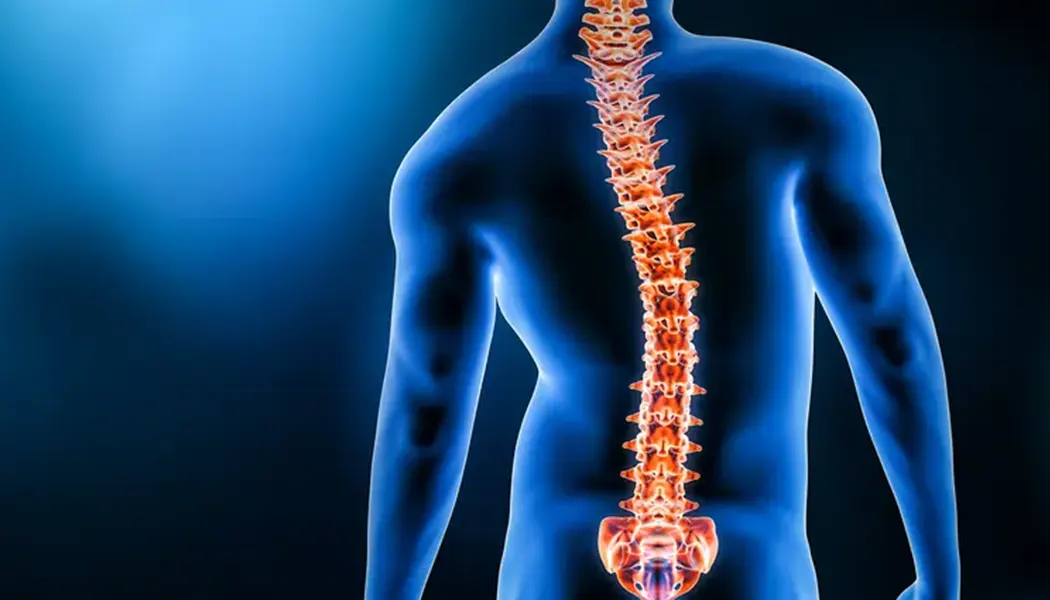
Scoliosis is a condition in which the spine develops an abnormal sideways curvature and may also rotate. It can occur in children, teenagers, or adults and may affect different parts of the spine. Some curves remain mild and cause few symptoms, while others may progress and lead to changes in posture, back pain, muscle imbalance, or reduced physical function. At Pure Physio, physiotherapy focuses on improving posture awareness, spinal mobility, muscle strength, breathing mechanics, balance, and overall function through an individualised rehabilitation programme.
Scoliosis is a three-dimensional spinal condition in which the spine curves sideways and the vertebrae may also rotate. A mild curve can sometimes be difficult to notice, while a more significant curve may cause visible changes such as uneven shoulders, an uneven waist, or one side of the rib cage appearing more prominent. Scoliosis can develop during childhood or adolescence, particularly during periods of rapid growth, although it can also develop or progress in adulthood due to degenerative changes, previous spinal conditions, or other causes. The most common type is Idiopathic Scoliosis, which means the exact cause is unknown. The severity of scoliosis is usually assessed by measuring the spinal curve, known as the Cobb angle, on an X-ray. Management depends on the type and size of the curve, the person’s age and growth stage, symptoms, and the risk of progression.
What Are The Symptoms Of Scoliosis?
Some people with mild scoliosis may have no noticeable symptoms.
Possible signs and symptoms include:
Uneven Shoulders: One shoulder may appear higher than the other.
Uneven Waist: The waistline may look uneven from one side to the other.
One Shoulder Blade More Prominent: One shoulder blade may appear more noticeable.
Uneven Hips: One hip may appear higher or more prominent.
Rib Prominence: One side of the rib cage may appear more prominent, particularly when bending forward.
Visible Spinal Curve: A sideways curve may be noticeable in some individuals.
Leaning to One Side: The body may appear to shift or lean slightly to one side.
Back Pain: Some adults and some individuals with scoliosis may experience back discomfort.
Muscle Tightness: Muscles on one side of the back may feel tighter or more strained.
Muscle Imbalance: The muscles around the spine may work differently on each side.
Fatigue: The back may feel tired after prolonged standing or activity.
Reduced Spinal Mobility: Movement of the back may feel restricted in some individuals.
Changes in Breathing: Very severe curves, particularly in the chest region, can affect the space available for normal lung function.
Reduced Physical Confidence: Visible postural changes or symptoms may affect confidence and participation in activities.
The appearance of the curve and the amount of pain do not always directly correspond to the severity of scoliosis.
What Are The Causes Of Scoliosis?
Scoliosis can have different causes.
Idiopathic Scoliosis: The most common type, where the exact cause is unknown. It often develops during childhood or adolescence.
Infantile Idiopathic Scoliosis: Develops in early childhood.
Juvenile Idiopathic Scoliosis: Develops during childhood.
Adolescent Idiopathic Scoliosis: Commonly develops during the growth years before skeletal maturity.
Adult Idiopathic Scoliosis: A curve that began earlier in life and persists or progresses into adulthood.
Degenerative Scoliosis: Develops in adulthood due to age-related changes in the spinal discs and joints.
Congenital Scoliosis: Results from abnormal development of the vertebrae before birth.
Neuromuscular Scoliosis: Can occur due to conditions affecting muscle control or the nervous system.
Syndromic Scoliosis: May occur as part of certain genetic or connective tissue conditions.
Previous Spinal Injury or Surgery: Trauma or surgery can occasionally contribute to spinal alignment changes.
Unequal Leg Length: A true or functional difference in leg length may contribute to pelvic asymmetry and can sometimes create a scoliosis-like appearance.
The cause should be appropriately assessed because management may differ depending on the type of scoliosis.
Diagnosis Of Scoliosis
Medical History: A healthcare professional will ask about symptoms, growth, family history, previous spinal conditions, and changes in posture.
Postural Examination: Shoulder height, waist shape, hip level, and overall spinal alignment are assessed.
Adam’s Forward Bend Test: The person bends forward while the healthcare professional checks for rib or back prominence caused by spinal rotation.
Scoliometer Assessment: A device may be used to measure trunk rotation during the forward bend test.
Neurological Examination: Strength, sensation, reflexes, and other neurological signs may be assessed when appropriate.
X-Rays: Standing spinal X-rays are commonly used to confirm scoliosis and measure the curve using the Cobb angle.
Growth Assessment: In children and adolescents, growth stage and remaining growth may help assess the risk of curve progression.
MRI: MRI may be considered when symptoms, neurological findings, or curve characteristics suggest another underlying condition.
CT Scan: CT may occasionally be used for detailed assessment of spinal structures.
Regular follow-up may be recommended for growing children and teenagers because spinal curves can change during growth.
Treatment Of Scoliosis
Treatment depends on the type, cause, size, location, and progression of the curve, as well as the person’s age and symptoms.
Observation and Monitoring: Mild curves may be monitored with regular clinical assessment and imaging when required.
Physiotherapy: Individualised exercises may help improve strength, posture awareness, mobility, and physical function.
Scoliosis-Specific Exercises: Specific exercise approaches may be recommended for selected individuals.
Strengthening Exercises: Improving trunk and surrounding muscle strength can support physical function.
Postural Training: Exercises and education can improve awareness and control of body alignment.
Breathing Exercises: Specific breathing techniques may be included in selected rehabilitation programmes.
Bracing: A brace may be recommended for some growing children or adolescents with curves at risk of progression.
Pain Management: A doctor may recommend appropriate treatment for pain when required.
Activity and Exercise: Most individuals can remain physically active, with activities adapted according to their individual condition.
Surgery: Spinal surgery may be considered for severe or progressive curves or when the curve causes significant functional problems.
Post-Surgical Rehabilitation: Physiotherapy can support recovery, strength, mobility, and functional independence after appropriate spinal surgery.
Management should be guided by an appropriately qualified healthcare professional, particularly for children, adolescents, progressive curves, or scoliosis associated with another medical condition.
What Is The Physiotherapy Treatment Of Scoliosis
Detailed Assessment: At Pure Physio, we assess your spinal alignment, posture, movement, muscle strength, flexibility, balance, breathing patterns, symptoms, and daily functional needs.
Individualised Exercise Programme: Your rehabilitation plan is adapted according to your curve, age, physical ability, symptoms, and treatment goals.
Scoliosis-Specific Exercise Training: Selected exercises may be used to improve awareness, posture, movement control, and function.
Postural Correction Training: Therapy focuses on improving awareness of individual postural habits and alignment.
Spinal Mobility Exercises: Controlled exercises help maintain comfortable movement where appropriate.
Core Strengthening: Exercises strengthen the trunk muscles that support the spine.
Back Strengthening: Progressive exercises improve the strength and endurance of the muscles around the spine.
Hip and Pelvic Strengthening: Improving lower-body strength and control can support efficient movement.
Breathing Exercises: Selected breathing techniques may help improve chest expansion and body awareness where appropriate.
Flexibility Training: Exercises may address muscle tightness affecting movement and posture.
Balance and Coordination Training: Rehabilitation can improve overall body control during standing and movement.
Functional Movement Training: Therapy focuses on comfortable movement during sitting, standing, walking, lifting, work, exercise, and daily activities.
Pain Management Strategies: For individuals with painful scoliosis, rehabilitation may include appropriate exercises, activity modification, and self-management strategies.
Ergonomic Advice: Practical guidance can help improve comfort during work, studying, sitting, and other daily activities.
Home Exercise Programme: A personalised exercise plan supports regular rehabilitation between physiotherapy sessions.
Progress Monitoring: Your programme is reviewed and adjusted according to symptoms, physical function, growth, and relevant medical recommendations.
Why Choose Pure Physio?
Detailed Spinal Assessment: We assess posture, spinal movement, strength, flexibility, balance, and functional limitations.
Personalised Rehabilitation Plans: Your programme is adapted according to your type of scoliosis, symptoms, age, physical ability, and individual goals.
Focus on Posture and Movement Control: Rehabilitation helps improve body awareness and efficient movement patterns.
Strength and Mobility Training: We focus on building the physical capacity needed to support everyday movement and activity.
Individualised Exercise Progression: Exercises are progressed according to your ability, symptoms, and rehabilitation goals.
Support for Children and Adults: Rehabilitation can be adapted for different ages and stages of life.
Functional Rehabilitation: Treatment focuses on meaningful activities such as studying, working, walking, exercising, and daily tasks.
Breathing and Body Awareness: Where appropriate, exercises can address breathing mechanics and awareness of spinal position.
Pain Management Support: We provide rehabilitation strategies to help individuals manage scoliosis-related discomfort when present.
Pre and Post-Surgical Rehabilitation: We can support physical preparation before surgery and functional recovery after appropriate spinal procedures.
Regular Progress Monitoring: Your programme is reviewed and adjusted according to changes in symptoms, physical function, and medical recommendations.
Integrated Care Approach: When bracing, imaging, orthopaedic assessment, or spinal surgery is required, we can support rehabilitation as part of a coordinated healthcare plan.
Focused on Long-Term Function: Our goal is to help you improve strength, mobility, confidence, posture awareness, and participation in the activities that matter to you.
Start Your Recovery Journey Today
Don’t let pain, stiffness, or reduced mobility affect your daily life. Get personalised physiotherapy care designed around your condition and recovery goals.