Rotator Cuff Injury
Relieve shoulder pain, restore strength, and regain comfortable movement with personalised physiotherapy for rotator cuff injuries.
Contents
Take the First Step Towards Better Movement
Our experienced physiotherapists are here to help you improve mobility, regain strength, and move with greater comfort and confidence.
What is Rotator Cuff Injury?
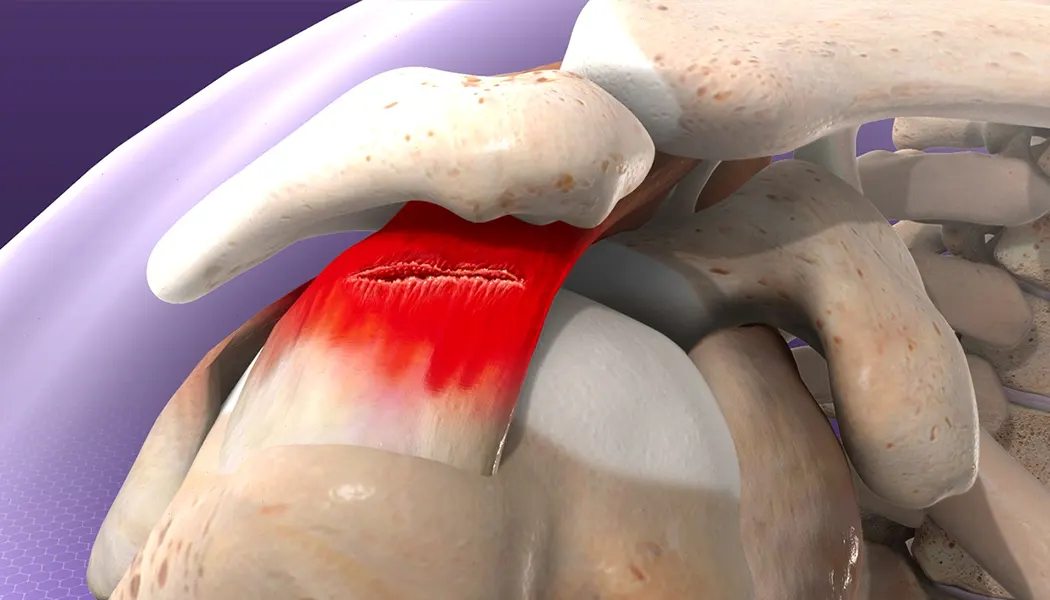
A Rotator Cuff Injury affects the group of muscles and tendons surrounding the shoulder joint that help stabilise the arm and control movements such as lifting, reaching, and rotating the shoulder. Injuries can range from tendon irritation and inflammation to partial or complete tears. Symptoms may include shoulder pain, weakness, reduced movement, and difficulty lifting the arm or performing everyday activities. At Pure Physio, rehabilitation focuses on reducing pain, restoring shoulder mobility, improving rotator cuff and shoulder blade strength, and helping you safely return to work, sports, and daily activities.
A Rotator Cuff Injury is a condition affecting the four muscles and their tendons that surround the shoulder joint. These muscles are the Supraspinatus, Infraspinatus, Teres Minor, and Subscapularis, and together they help keep the head of the upper arm bone securely positioned within the shoulder socket while allowing the arm to lift and rotate. A rotator cuff injury can involve tendon irritation, tendinopathy, partial tearing, or a complete tear of one or more tendons. The injury may develop gradually due to repeated overhead movements or age-related tendon changes, or it may occur suddenly following a fall, lifting injury, or direct trauma. The severity of symptoms varies, with some people experiencing mild pain while others develop significant weakness and difficulty lifting or using the arm.
What Are The Symptoms Of Rotator Cuff Injury?
Shoulder Pain: Pain may be felt on the outer or front part of the shoulder.
Pain When Lifting the Arm: Raising the arm overhead or away from the body may be painful.
Shoulder Weakness: The arm may feel weak, particularly during lifting or rotating movements.
Pain at Night: Shoulder pain may become more noticeable at night or when lying on the affected side.
Reduced Range of Motion: It may become difficult to move the shoulder through its full range.
Pain During Reaching: Reaching overhead, behind the back, or away from the body may cause discomfort.
Difficulty Lifting Objects: Carrying or lifting objects may be painful or difficult.
Pain When Lowering the Arm: Controlled lowering of the arm may cause pain or weakness.
Clicking or Popping: Some people notice clicking, popping, or catching sensations during shoulder movement.
Difficulty with Daily Activities: Dressing, combing hair, bathing, reaching shelves, or putting on a seatbelt may become difficult.
Pain During Sports: Activities involving throwing, swimming, tennis, cricket, or overhead movements may aggravate symptoms.
Loss of Shoulder Function: Larger tears may cause significant weakness and difficulty actively lifting the arm.
Muscle Wasting: Long-standing or severe rotator cuff tears may lead to muscle weakness or visible loss of muscle bulk.
Symptoms can vary depending on the type, size, location, and severity of the injury.
What Are The Causes Of Rotator Cuff Injury?
Rotator cuff injuries can occur suddenly or develop gradually over time.
Age-Related Tendon Changes: Tendons can become more vulnerable to injury as their structure and blood supply change with age.
Repeated Overhead Movements: Frequent lifting or working with the arms overhead can place repeated stress on the rotator cuff.
Sports Activities: Throwing, swimming, tennis, badminton, cricket, and other repetitive shoulder activities may increase tendon loading.
Heavy Lifting: Lifting heavy objects, particularly with poor technique, can strain the shoulder.
Sudden Injury: A fall, sudden pull, or direct impact can cause an acute tendon injury or tear.
Falling on an Outstretched Arm: A fall onto the hand or arm may transfer force to the shoulder.
Shoulder Dislocation: A dislocation can damage surrounding muscles, tendons, or other structures.
Repetitive Work: Occupations involving repeated lifting, reaching, or overhead work may contribute.
Poor Shoulder Muscle Control: Reduced strength or coordination of the shoulder and shoulder blade muscles may affect how loads are managed.
Previous Shoulder Injury: Earlier injuries may increase the risk of further shoulder problems.
Sudden Increase in Activity: Rapidly increasing exercise, training, or workload can overload the tendons.
Smoking: Smoking may negatively affect tendon health and healing.
Often, a rotator cuff problem develops due to a combination of tendon changes, repeated loading, and individual risk factors.
Diagnosis Of Rotator Cuff Injury
Medical History: A healthcare professional will ask about your symptoms, how the injury occurred, activities that aggravate pain, work demands, sports, and previous shoulder problems.
Physical Examination: The shoulder is assessed for pain, movement, strength, stability, and functional limitations.
Range of Motion Assessment: Active and passive shoulder movements are evaluated.
Strength Testing: Specific movements may be tested to assess the function of different rotator cuff muscles.
Special Clinical Tests: A healthcare professional may perform selected tests to identify possible rotator cuff involvement.
Functional Assessment: Reaching, lifting, carrying, dressing, and other everyday activities may be assessed.
X-Rays: X-rays may help identify fractures, arthritis, bone spurs, or other bony changes but do not directly show rotator cuff tears.
Ultrasound: Ultrasound can assess the rotator cuff tendons and identify many tendon tears.
MRI: MRI provides detailed images of the rotator cuff, muscles, tendons, and other shoulder structures.
Specialist Assessment: An orthopaedic specialist may assess significant, traumatic, or suspected full-thickness tears.
Diagnosis is based on a combination of symptoms, clinical examination, and imaging when required.
Treatment Of Rotator Cuff Injury
Treatment depends on the type of injury, size of any tear, symptoms, age, activity level, and functional requirements.
Activity Modification: Temporarily reducing movements that significantly aggravate pain may help manage symptoms.
Physiotherapy: A structured rehabilitation programme can improve shoulder movement, strength, and function.
Pain Management: A doctor may recommend suitable medication when required.
Cold Therapy: Cold may provide temporary relief from pain after activity or during a painful flare-up.
Heat Therapy: Heat may help relieve muscle stiffness before activity for some individuals.
Exercise Therapy: Carefully progressed exercises help restore mobility and strengthen the shoulder.
Strengthening Programme: Progressive loading improves the capacity of the rotator cuff and surrounding muscles.
Injection Therapy: Certain injections may be considered in selected cases following appropriate medical assessment.
Surgery: Surgery may be considered for some complete tears, significant traumatic tears, or cases with persistent weakness and functional loss despite appropriate treatment.
Post-Surgical Rehabilitation: Physiotherapy plays an important role in restoring movement and strength following rotator cuff repair.
Not every rotator cuff tear requires surgery. The most appropriate treatment depends on the individual’s injury and functional needs.
What Is The Physiotherapy Treatment Of Rotator Cuff Injury
Detailed Assessment: At Pure Physio, we assess your shoulder pain, movement, strength, posture, shoulder blade control, work demands, sports activities, and functional limitations.
Pain-Guided Rehabilitation: Exercises are selected and progressed according to your symptoms and ability to tolerate movement and loading.
Shoulder Mobility Exercises: Controlled movements help restore comfortable range of motion.
Rotator Cuff Strengthening: Progressive exercises target the muscles and tendons that help stabilise and control the shoulder.
Shoulder Blade Strengthening: Exercises improve the strength and control of the muscles around the scapula.
Scapular Control Training: Rehabilitation helps improve coordination between the shoulder blade and arm during movement.
Isometric Exercises: Static contractions may be used during appropriate stages of rehabilitation.
Progressive Resistance Training: Exercises are gradually progressed to rebuild shoulder strength and load tolerance.
Functional Strength Training: Rehabilitation prepares the shoulder for reaching, lifting, carrying, pushing, and pulling activities.
Flexibility Exercises: Selected stretches may address muscle tightness that affects comfortable shoulder movement.
Postural Training: We provide guidance on comfortable shoulder and upper-body positioning during daily activities.
Manual Therapy: Appropriate hands-on techniques may be used as part of an overall rehabilitation programme when clinically suitable.
Movement Re-Education: Therapy focuses on improving shoulder movement patterns and reducing unnecessary compensation.
Work-Specific Rehabilitation: Exercises can be adapted to the demands of lifting, reaching, or repetitive occupational activities.
Sports-Specific Rehabilitation: Athletes can progress towards throwing, swimming, racket sports, or other sport-specific movements when appropriate.
Home Exercise Programme: A personalised programme supports regular rehabilitation between sessions.
Post-Surgical Rehabilitation: Following a rotator cuff repair, physiotherapy follows the surgeon’s precautions and a carefully staged recovery programme.
Progress Monitoring: Your rehabilitation plan is reviewed and adjusted according to improvements in pain, movement, strength, and function.
Why Choose Pure Physio?
Detailed Shoulder Assessment: We assess your pain, movement, strength, shoulder control, daily activities, and functional limitations.
Personalised Rehabilitation Plans: Your treatment is adapted to your injury, symptoms, lifestyle, work, sport, and recovery goals.
Rotator Cuff and Scapular Strength Focus: We target the muscles that support shoulder stability and controlled movement.
Pain-Guided Exercise Progression: Exercises are progressed according to your symptoms and physical response.
Focus on Restoring Movement: Rehabilitation aims to improve comfortable shoulder mobility and reduce movement limitations.
Functional Recovery Approach: Treatment targets practical activities such as reaching, dressing, lifting, carrying, and working.
Sports-Specific Rehabilitation: Programmes can be adapted for the physical demands of overhead and throwing sports.
Work-Focused Rehabilitation: Therapy can prepare you for repetitive lifting, reaching, carrying, and occupational tasks.
Pre and Post-Surgical Support: We can support rehabilitation before surgery and guide recovery after appropriate rotator cuff procedures.
Regular Progress Monitoring: Your programme is reviewed and adjusted as your shoulder strength and function improve.
Integrated Care Approach: When imaging, injections, orthopaedic assessment, or surgery is required, we support physiotherapy as part of a coordinated treatment plan.
Focused on Long-Term Shoulder Health: Our goal is to help you manage pain, rebuild shoulder strength and confidence, restore function, and return safely to the activities that matter to you.
Start Your Recovery Journey Today
Don’t let pain, stiffness, or reduced mobility affect your daily life. Get personalised physiotherapy care designed around your condition and recovery goals.