Rheumatoid Arthritis
Manage joint stiffness, improve mobility, and maintain an active lifestyle with personalised physiotherapy for rheumatoid arthritis.
Contents
Take the First Step Towards Better Movement
Our experienced physiotherapists are here to help you improve mobility, regain strength, and move with greater comfort and confidence.
What is Rheumatoid Arthritis?
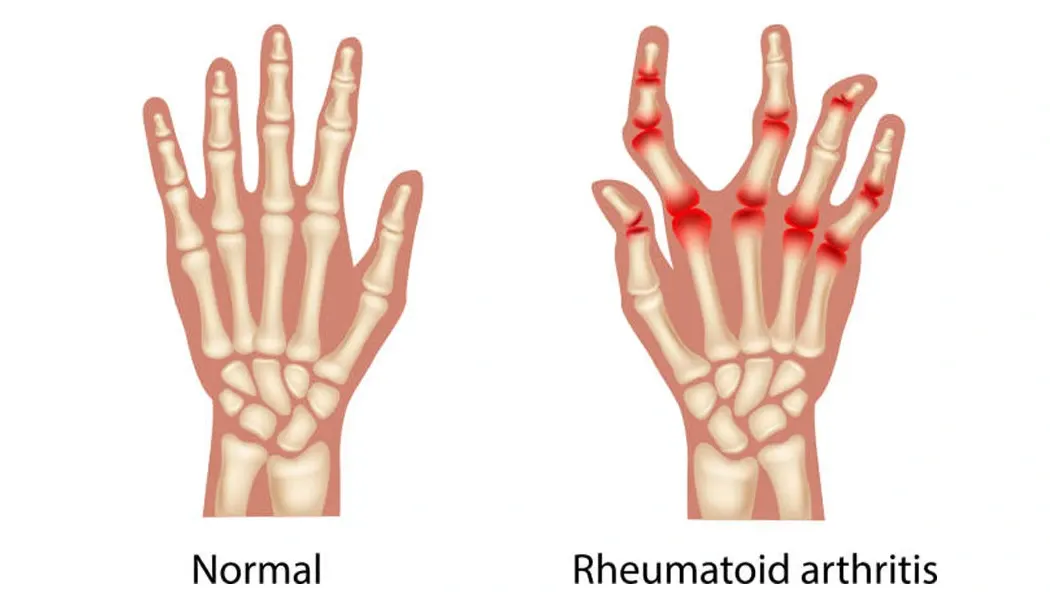
Rheumatoid Arthritis (RA) is a chronic autoimmune inflammatory condition that mainly affects the joints. In RA, the immune system mistakenly attacks healthy tissues, particularly the synovium, which is the lining around certain joints. This causes inflammation that can lead to pain, swelling, warmth, and stiffness. Over time, ongoing inflammation can damage the joint cartilage, bone, tendons, and surrounding structures, potentially affecting joint shape and function. Rheumatoid arthritis often affects joints on both sides of the body, such as both hands or both feet, although symptoms can vary between individuals. It can also affect other parts of the body and may cause symptoms such as fatigue. Early diagnosis and appropriate medical treatment are important to control inflammation, reduce the risk of joint damage, and maintain long-term function.
What Are The Symptoms Of Rheumatoid Arthritis?
Joint Pain: Pain may affect one or multiple joints.
Joint Swelling: Inflamed joints may appear swollen or puffy.
Joint Stiffness: Stiffness is often more noticeable after waking or following periods of inactivity.
Prolonged Morning Stiffness: Morning stiffness may last longer than is typical after ordinary physical activity.
Warm Joints: Affected joints may feel warmer due to inflammation.
Tenderness: Touching or pressing on an inflamed joint may cause pain.
Symmetrical Joint Symptoms: Similar joints on both sides of the body are often affected.
Hand and Finger Symptoms: Pain, stiffness, and swelling commonly affect the small joints of the hands.
Foot and Toe Symptoms: The small joints of the feet may also be affected.
Wrist Pain: The wrists may become painful, swollen, or stiff.
Reduced Range of Motion: Joint inflammation and pain may limit normal movement.
Muscle Weakness: Reduced activity and ongoing inflammation can contribute to muscle weakness.
Fatigue: Persistent tiredness and low energy are common.
Reduced Physical Function: Activities such as gripping, opening containers, walking, dressing, or climbing stairs may become difficult.
Reduced Grip Strength: Hand and wrist involvement may make gripping objects harder.
Joint Deformity: Long-term uncontrolled inflammation can lead to changes in joint shape and alignment.
Flare-Ups: Symptoms may become worse during periods of increased disease activity.
Symptoms can range from mild to severe and may change over time.
What Are The Causes Of Rheumatoid Arthritis?
The exact cause of rheumatoid arthritis is not fully understood. It is believed to result from a combination of immune, genetic, and environmental factors.
Autoimmune Activity: The immune system mistakenly attacks healthy joint tissues.
Genetic Factors: Certain inherited genes may increase susceptibility.
Family History: Having a close family member with rheumatoid arthritis may increase risk.
Smoking: Smoking is associated with an increased risk and may contribute to more severe disease.
Environmental Factors: Certain environmental exposures may contribute in susceptible individuals.
Hormonal Factors: Hormones may play a role in the development of the condition.
Age: Rheumatoid arthritis can occur at different ages, although risk varies across the lifespan.
Sex: The condition is more commonly diagnosed in women, although it can affect anyone.
Immune System Changes: Abnormal immune responses play a central role in the condition.
Having risk factors does not necessarily mean that a person will develop rheumatoid arthritis.
Diagnosis Of Rheumatoid Arthritis
Medical History: A healthcare professional will ask about joint symptoms, morning stiffness, fatigue, symptom duration, family history, and other health conditions.
Physical Examination: Joints are examined for swelling, warmth, tenderness, movement, and signs of inflammation.
Blood Tests: Blood tests may assess inflammatory markers and certain antibodies associated with rheumatoid arthritis.
Rheumatoid Factor (RF): This antibody may be tested as part of the assessment.
Anti-CCP Antibodies: Anti-cyclic citrullinated peptide antibodies may support the diagnosis in appropriate clinical situations.
ESR and CRP: These blood tests can help assess levels of inflammation.
X-Rays: X-rays may help identify joint damage or changes over time.
Ultrasound: Ultrasound can identify inflammation and changes in the joint tissues.
MRI: MRI may provide detailed information about inflammation and early joint changes.
Specialist Assessment: A rheumatologist is usually involved in confirming the diagnosis and planning medical treatment.
Diagnosis is based on a combination of symptoms, physical examination, blood tests, and imaging when required.
Treatment Of Rheumatoid Arthritis
Rheumatoid arthritis requires ongoing medical management. Early treatment is important to control inflammation and reduce the risk of permanent joint damage.
Disease-Modifying Anti-Rheumatic Drugs (DMARDs): These medicines are used to control disease activity and help reduce or prevent joint damage.
Biologic Medicines: Certain biologic treatments may be recommended when appropriate.
Targeted Synthetic DMARDs: Other targeted medicines may be used in selected individuals.
Pain Management: Doctors may recommend suitable medication to help manage pain.
Anti-Inflammatory Medication: Certain medicines may help manage symptoms when medically appropriate.
Corticosteroids: Steroid treatment may be used in selected situations to help control inflammation.
Physiotherapy: Rehabilitation can help maintain joint mobility, muscle strength, physical function, and activity levels.
Occupational Therapy: Occupational therapy can provide strategies for protecting joints and managing daily activities.
Exercise: Appropriate regular physical activity can help maintain strength, fitness, and function.
Joint Protection: Learning strategies to reduce unnecessary stress on painful or vulnerable joints can be helpful.
Assistive Devices: Splints, supports, or other aids may be recommended for selected individuals.
Surgery: Surgical treatment may occasionally be required for severe joint damage.
Treatment is individualised according to disease activity, joints affected, symptoms, overall health, and response to treatment.
What Is The Physiotherapy Treatment Of Rheumatoid Arthritis
Detailed Assessment: At Pure Physio, we assess your joint movement, pain, swelling, muscle strength, balance, walking ability, physical function, and individual activity goals.
Individualised Exercise Programme: Your rehabilitation plan is adapted according to your symptoms, disease activity, joints affected, and physical ability.
Joint Mobility Exercises: Gentle exercises help maintain comfortable joint movement.
Strengthening Exercises: Progressive exercises help maintain muscle strength around affected joints.
Low-Impact Exercise: Activities may be selected to improve fitness while reducing excessive joint stress.
Flexibility Training: Appropriate stretches may help manage muscle tightness and maintain movement.
Functional Exercise: Therapy focuses on practical movements needed for activities such as standing, walking, reaching, gripping, and climbing stairs.
Balance Training: Exercises can improve stability and confidence during movement.
Walking Rehabilitation: Physiotherapy may support safe and efficient walking when lower-limb joints are affected.
Hand Function Exercises: When appropriate, exercises may help maintain hand movement, grip, and functional ability.
Joint Protection Education: We provide practical guidance on managing loads and protecting painful or vulnerable joints during daily activities.
Activity Pacing: We help you balance activity and rest to manage fatigue and avoid unnecessary overexertion.
Flare Management: Exercise intensity and activities may be modified during periods of increased symptoms.
Pain Management Strategies: Appropriate non-medication strategies may be included to support comfort and function.
Home Exercise Programme: A personalised programme supports regular movement and physical activity between sessions.
Progress Monitoring: Your programme is reviewed and adjusted according to changes in symptoms, disease activity, strength, mobility, and function.
Why Choose Pure Physio?
Detailed Joint and Functional Assessment: We assess your pain, movement, strength, balance, walking ability, and everyday limitations.
Personalised Rehabilitation Plans: Your programme is adapted according to the joints affected, disease activity, symptoms, physical ability, and individual goals.
Exercise Adapted to Your Condition: Activities are selected and progressed according to your current symptoms and tolerance.
Focus on Joint Mobility: We help you maintain comfortable movement and reduce the impact of stiffness on daily life.
Strength and Physical Function Training: Rehabilitation supports the muscles and movements needed for everyday activities.
Support During Flare-Ups: Your exercise programme can be modified when symptoms and inflammation increase.
Joint Protection Guidance: We provide practical strategies to help manage daily activities while reducing unnecessary stress on affected joints.
Balance and Mobility Support: Treatment can address walking, stability, and lower-limb function when needed.
Fatigue and Activity Pacing Strategies: We help you manage activity levels and maintain a sustainable routine.
Functional Rehabilitation: Therapy focuses on meaningful activities such as walking, dressing, working, gripping, and household tasks.
Regular Progress Monitoring: Your programme is reviewed and adjusted according to changes in your symptoms and physical abilities.
Integrated Care Approach: We support rehabilitation alongside rheumatologists, doctors, occupational therapists, and other healthcare professionals when required.
Focused on Long-Term Independence: Our goal is to help you maintain mobility, strength, confidence, and physical independence while supporting an active and healthy lifestyle.
Start Your Recovery Journey Today
Don’t let pain, stiffness, or reduced mobility affect your daily life. Get personalised physiotherapy care designed around your condition and recovery goals.