
Retrolisthesis
Get a personalised assessment and physiotherapy plan to improve mobility, strength, and spinal function.
Contents
Take the First Step Towards Better Movement
Our experienced physiotherapists are here to help you improve mobility, regain strength, and move with greater comfort and confidence.
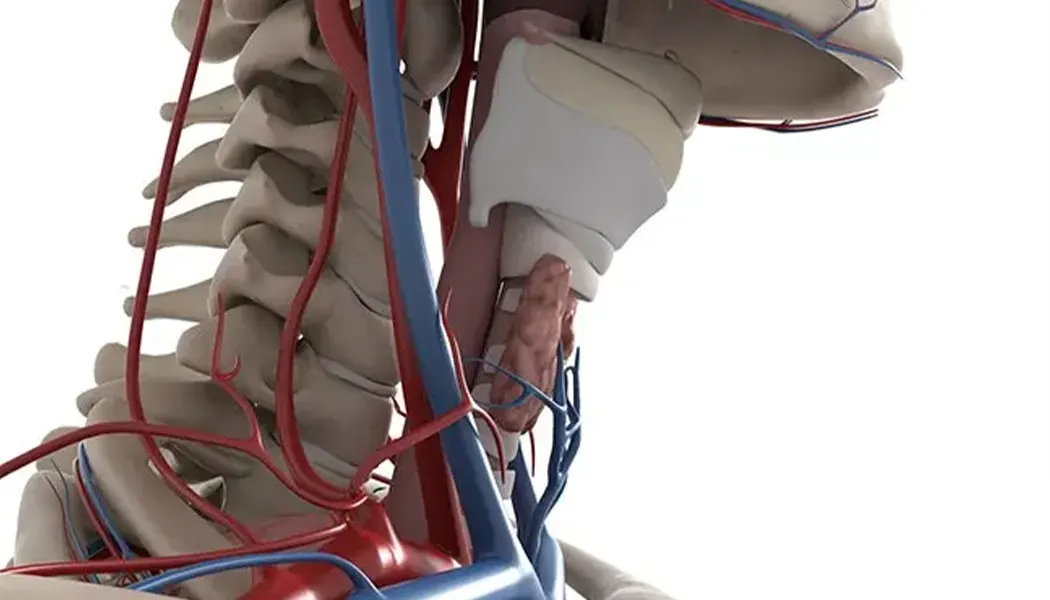
What is Retrolisthesis?
Retrolisthesis is a condition involving the position of one spinal vertebra relative to another.
The spine is made up of a series of bones called vertebrae, which are normally aligned to provide support, movement, and protection for the spinal cord and nerves.
In retrolisthesis:
One Vertebra Shifts Backward
in relation to the vertebra directly below it.
This backward movement is the opposite of anterolisthesis, where a vertebra shifts forward.
Retrolisthesis may occur in different parts of the spine, including:
Cervical Spine: The neck region.
Thoracic Spine: The middle back region.
Lumbar Spine: The lower back region.
It is more commonly discussed in relation to degenerative changes in the cervical or lumbar spine.
The degree of backward displacement can vary. A small displacement may be found incidentally on imaging and may not cause symptoms.
Retrolisthesis may occur alongside other spinal changes, such as:
Degenerative Disc Changes
Disc Bulge
Facet Joint Degeneration
Spinal Stenosis
Reduced Disc Height
Spinal Instability
The presence of retrolisthesis on an X-ray or scan does not always mean it is the direct cause of a person’s pain. Clinical symptoms and physical examination are important when planning treatment.
What Are The Symptoms Of Retrolisthesis?
Some people experience no symptoms. When symptoms occur, they may depend on the spinal region involved and whether surrounding tissues or nerves are affected.
Back Pain: Persistent or recurrent pain may occur in the affected region.
Neck Pain: Cervical retrolisthesis may be associated with neck discomfort.
Stiffness: The spine may feel tight or difficult to move.
Reduced Range of Motion: Bending, twisting, turning, or extending the spine may be restricted.
Muscle Spasms: Muscles around the affected spinal region may tighten or spasm.
Pain During Movement: Certain movements may aggravate symptoms.
Pain During Prolonged Sitting or Standing: Remaining in one position for long periods may increase discomfort.
Pain During Lifting: Lifting, bending, or carrying may aggravate symptoms.
Radiating Pain: Pain may travel into the shoulder, arm, buttock, or leg if a nerve is irritated or compressed.
Numbness or Tingling: Altered sensation may occur when nerves are affected.
Muscle Weakness: Significant nerve involvement may cause weakness in an arm or leg.
Difficulty Walking: Lower-back involvement with significant nerve compression may affect walking tolerance.
Reduced Functional Ability: Everyday tasks, work, exercise, driving, and household activities may become difficult.
Seek prompt medical assessment for new or progressive weakness, major changes in sensation, loss of bladder or bowel control, or numbness in the groin or saddle area.
What Are The Causes Of Retrolisthesis?
Retrolisthesis may develop due to several factors affecting spinal alignment and stability.
Degenerative Disc Changes: Wear and changes in the spinal discs can alter spinal alignment and movement.
Reduced Disc Height: Loss of disc height may affect how vertebrae are positioned relative to one another.
Facet Joint Degeneration: Changes in the small joints at the back of the spine may contribute to altered vertebral movement.
Spinal Instability: Reduced stability or abnormal movement between vertebrae may contribute to displacement.
Trauma or Injury: A significant fall, accident, or spinal injury may affect vertebral alignment.
Repetitive Spinal Stress: Repeated heavy loading or certain repetitive movements may contribute to degenerative changes over time.
Poor Muscle Control: Reduced control and support from spinal and surrounding muscles may contribute to movement-related symptoms, although it is not always the direct cause of the vertebral displacement.
Age-Related Changes: Degenerative changes become more common with increasing age.
Previous Spinal Surgery: Changes following some spinal procedures may alter spinal mechanics.
Congenital or Structural Factors: Natural differences in spinal anatomy may contribute in selected cases.
The exact cause varies, and retrolisthesis may develop alongside other degenerative or structural spinal conditions.
Diagnosis Of Retrolisthesis
Medical History: A healthcare professional will ask about pain, stiffness, injuries, movement limitations, radiating symptoms, numbness, weakness, and how symptoms affect daily activities.
Physical Examination: Spinal posture, movement, muscle strength, flexibility, balance, and functional activities may be assessed.
Neurological Examination: Reflexes, sensation, muscle strength, and nerve-related symptoms may be evaluated when nerve involvement is suspected.
X-Rays: X-rays can show vertebral alignment and may identify backward displacement of one vertebra relative to another.
Dynamic X-Rays: Flexion and extension X-rays may be used in selected cases to assess abnormal movement or instability.
MRI: MRI may be recommended to assess spinal discs, nerves, the spinal canal, and other soft tissues.
CT Scan: CT imaging may provide more detailed information about bones and spinal structures.
Functional Assessment: A physiotherapist may assess how spinal symptoms affect sitting, standing, bending, walking, lifting, and other daily movements.
The significance of imaging findings should always be considered alongside symptoms and clinical examination.
Treatment Of Retrolisthesis
Treatment depends on the degree of displacement, symptoms, spinal stability, nerve involvement, and other associated conditions.
Activity Modification: Temporary changes to movements or activities that significantly aggravate symptoms may be recommended.
Pain Management: A doctor may recommend suitable medication or other pain-management strategies.
Physiotherapy: A structured rehabilitation programme may help improve movement, muscle strength, spinal control, and functional ability.
Exercise Therapy: Appropriate exercises may help improve core strength, endurance, flexibility, and movement control.
Postural Education: Guidance may help improve awareness of spinal positioning during work and daily activities.
Manual Therapy: Where clinically appropriate, selected hands-on techniques may be used to address pain and mobility restrictions.
Heat or Cold Therapy: Some individuals may find carefully applied heat or cold helpful for temporary symptom management.
Lifestyle and Activity Advice: Gradual physical activity and appropriate load management may support spinal health and overall function.
Interventional Pain Management: In selected cases, a pain specialist may consider injections or other procedures.
Bracing: A doctor may recommend a spinal brace in specific situations.
Surgical Treatment: Surgery may be considered when there is significant instability, severe nerve compression, progressive neurological problems, or persistent symptoms that do not respond to appropriate non-surgical treatment.
What Is The Physiotherapy Treatment Of Retrolisthesis
Detailed Spinal Assessment: At Pure Physio, treatment begins by assessing your symptoms, spinal movement, posture, muscle strength, nerve-related signs, activity tolerance, and individual functional goals.
Pain-Aware Exercise Programme: Exercises are selected according to your symptoms, spinal condition, and current physical capacity.
Core Stabilisation Exercises: Targeted exercises may help improve the strength and control of muscles that support the spine.
Spinal Movement Control Training: Rehabilitation may focus on improving controlled movement during bending, lifting, turning, and other daily activities.
Strengthening Exercises: Progressive exercises may help strengthen the abdominal, back, hip, and leg muscles.
Mobility Exercises: Appropriate exercises may help maintain or improve comfortable spinal and hip movement.
Flexibility Training: Individualised stretching may help address relevant muscle tightness.
Postural Training: Guidance may help improve awareness of sustained sitting, standing, and working positions.
Functional Movement Training: Therapy may include practising safe and efficient ways to bend, lift, carry, sit, stand, and move during daily activities.
Load Management Education: We provide guidance on gradually managing exercise, work, lifting, and physical activity according to your tolerance.
Balance and Coordination Training: Appropriate exercises may be included when spinal symptoms affect confidence and movement control.
Manual Therapy: Where clinically appropriate, selected hands-on techniques may complement an active rehabilitation programme.
Home Exercise Programme: A personalised programme may help support long-term strength, movement, and self-management.
Why Choose Pure Physio?
Individualised Spinal Assessment: We assess your symptoms and physical function rather than relying on imaging findings alone.
Personalised Rehabilitation Plans: Your programme is adapted according to your spinal mobility, strength, symptoms, nerve involvement, daily activities, and goals.
Focus on Movement and Stability: Rehabilitation aims to improve muscle control, strength, spinal movement, and confidence with everyday activities.
Safe Exercise Progression: Exercises are gradually progressed according to your symptoms, physical capacity, and medical guidance.
Core and Functional Strengthening: We focus on building the physical capacity needed for sitting, standing, lifting, walking, working, and exercise.
Practical Posture and Activity Guidance: We provide strategies for managing prolonged positions, repetitive movements, and physical demands.
Long-Term Self-Management: Personalised home exercises and activity guidance can help support ongoing spinal health and functional independence.
Integrated Care Approach: If imaging, medical treatment, pain management, or specialist spinal assessment is required, physiotherapy can form part of a coordinated treatment plan.
Focused on Everyday Function: Our goal is to help you move with greater comfort, improve physical confidence, and return safely to the activities that matter to you.
Start Your Recovery Journey Today
Don’t let pain, stiffness, or reduced mobility affect your daily life. Get personalised physiotherapy care designed around your condition and recovery goals.