Reiter’s Syndrome
Manage joint pain, stiffness, and movement limitations with personalised physiotherapy designed to help you move more comfortably and stay active.
Contents
Take the First Step Towards Better Movement
Our experienced physiotherapists are here to help you improve mobility, regain strength, and move with greater comfort and confidence.
What is Reiter’s Syndrome?
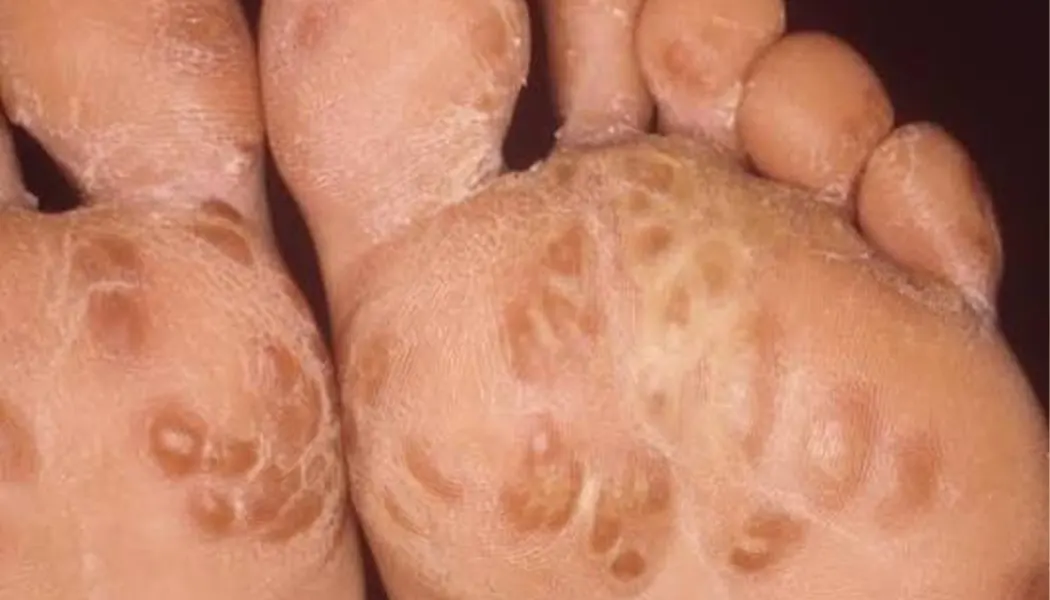
Reiter’s Syndrome, now more commonly known as Reactive Arthritis, is an inflammatory condition that can develop after certain infections, usually affecting the joints, eyes, urinary tract, and other parts of the body. It commonly causes pain and swelling in the knees, ankles, or feet, along with stiffness and reduced movement. Some people may also experience eye redness, pain during urination, or skin changes. Symptoms can vary from mild and short-term to persistent or recurrent. At Pure Physio, physiotherapy focuses on maintaining joint mobility, improving muscle strength, managing stiffness, supporting safe physical activity, and helping you continue with everyday activities.
Reiter’s Syndrome is the older name for a condition now commonly called Reactive Arthritis.
Reactive arthritis is a type of inflammatory arthritis that can occur after an infection in another part of the body.
The infection commonly affects the:
Gastrointestinal System
or
Genitourinary System
The joints themselves are generally not directly infected. Instead, the immune response following an infection contributes to inflammation.
Reactive arthritis can affect:
Knees
Ankles
Feet
Toes
Lower Back
Sacroiliac Joints
The condition may also involve:
Eyes
Urinary Tract
Skin
Tendons and Their Attachment Sites
One commonly discussed group of symptoms includes inflammation involving:
Joints
Eyes
Urinary or Genital Tract
However, not every person experiences all of these symptoms.
Reactive arthritis belongs to a group of conditions known as spondyloarthritis.
Symptoms may develop days or weeks after an infection.
For many people, symptoms improve over time, although some individuals can experience persistent or recurrent symptoms.
What Are The Symptoms Of Reiter’s Syndrome?
Joint Pain: Pain commonly affects the knees, ankles, feet, or lower limbs.
Joint Swelling: One or more joints may become swollen.
Joint Stiffness: Joints may feel stiff, particularly after rest or in the morning.
Lower Back Pain: Some people experience pain and stiffness in the lower back.
Buttock Pain: Inflammation around the sacroiliac joints may cause pain in the buttock region.
Heel Pain: Inflammation where tendons attach to bone may cause pain around the heel.
Pain Under the Foot: Inflammation of soft-tissue attachment sites can cause discomfort in the sole of the foot.
Toe or Finger Swelling: An entire toe or finger may become swollen in some cases.
Reduced Joint Movement: Pain and inflammation can limit movement.
Difficulty Walking: Pain in the knees, ankles, or feet may affect mobility.
Eye Redness: The eyes may become red or irritated.
Eye Pain: Inflammation in the eye may cause pain.
Sensitivity to Light: Some eye conditions associated with reactive arthritis can cause light sensitivity.
Blurred Vision: Vision changes require prompt medical assessment.
Pain or Burning During Urination: Urinary tract inflammation may cause discomfort.
Increased Urinary Frequency: Some individuals may need to urinate more often.
Skin Changes: Rashes or changes in the skin may occur in some cases.
Mouth Sores: Painless mouth ulcers can occur.
Not everyone experiences the same combination or severity of symptoms.
A painful red eye, sensitivity to light, or blurred vision requires prompt medical assessment.
What Are The Causes Of Reiter’s Syndrome?
Reactive arthritis develops when the immune system reacts following certain infections.
Common triggers can include infections involving the:
Gastrointestinal Tract
or
Genitourinary Tract
Examples of bacterial infections associated with reactive arthritis include:
Chlamydia
Salmonella
Shigella
Campylobacter
Yersinia
The condition may develop after the initial infection has improved.
Immune System Response: The body’s immune response may continue to trigger inflammation in susceptible individuals.
Genetic Factors: Certain genetic factors, including the presence of HLA-B27, are associated with an increased risk of developing reactive arthritis and may influence disease severity in some people.
It is important to note that:
Reactive arthritis itself is not directly passed from person to person.
However, the infection that triggers it may be transmissible depending on the type of infection.
Not everyone who develops one of these infections will develop reactive arthritis.
Diagnosis Of Reiter’s Syndrome
There is no single test that confirms reactive arthritis in every case.
Medical History: A doctor will ask about recent diarrhoea, food-related illness, urinary symptoms, genital symptoms, or other infections.
Symptom Assessment: The pattern of joint pain, swelling, stiffness, eye symptoms, and urinary symptoms is assessed.
Physical Examination: The joints, spine, skin, eyes, and areas where tendons attach to bone may be examined.
Blood Tests: Blood tests may help assess inflammation and rule out other conditions.
HLA-B27 Test: Testing may be considered in selected cases, although a positive result alone does not diagnose reactive arthritis.
Tests for Infection: Urine, swab, stool, or other tests may be used to identify a current or recent triggering infection when appropriate.
Joint Fluid Analysis: If a joint is significantly swollen, fluid may be analysed to rule out infection or other causes of arthritis.
X-Rays: Imaging may help assess joints and rule out other causes.
Ultrasound: Ultrasound can help assess joint inflammation, tendons, and entheses.
MRI: MRI may be used when the spine, sacroiliac joints, or other structures require more detailed assessment.
Eye Assessment: An ophthalmologist may be required when eye symptoms are present.
Diagnosis is based on the overall pattern of symptoms, recent infection history, examination, and appropriate investigations.
Treatment Of Reiter’s Syndrome
Treatment depends on the symptoms, severity, triggering infection, and duration of the condition.
Treatment of Active Infection: If an active bacterial infection is identified, a doctor may prescribe appropriate antibiotics.
Anti-Inflammatory Medication: A doctor may prescribe medicines to help manage joint pain and inflammation.
Corticosteroid Treatment: Steroid treatment may be considered in selected cases of significant inflammation.
Disease-Modifying Medication: Persistent or chronic inflammatory arthritis may require specialist treatment with disease-modifying medicines.
Biologic Therapy: Some individuals with persistent disease may require advanced specialist treatment.
Physiotherapy: Physiotherapy can help maintain joint movement, strength, mobility, and physical function.
Activity Modification: Activities may need to be adjusted during periods of significant pain or inflammation.
Regular Movement: Appropriate movement and exercise can help reduce the effects of prolonged stiffness and inactivity.
Joint Protection: Guidance may help reduce unnecessary stress on painful joints.
Eye Treatment: Eye inflammation requires appropriate assessment and treatment by an eye specialist.
Management of Skin Symptoms: Skin changes may require medical or dermatological treatment.
Long-Term Monitoring: People with persistent or recurrent symptoms may require follow-up with a rheumatologist.
Treatment should be guided by an appropriate healthcare professional because symptoms and organ involvement can vary.
What Is The Physiotherapy Treatment Of Reiter’s Syndrome
Detailed Assessment: At Pure Physio, treatment begins by assessing pain, joint swelling, stiffness, movement, muscle strength, posture, balance, walking, and the impact of symptoms on daily activities.
Joint Mobility Exercises: Gentle exercises may help maintain comfortable movement and reduce the effects of stiffness.
Range of Motion Training: Controlled movement is adapted to the joints affected and current symptom levels.
Strengthening Exercises: Progressive strengthening may help maintain muscle support around affected joints.
Low-Impact Exercise: Activities such as walking, cycling, or other appropriate exercises may help maintain physical fitness and mobility.
Flexibility Training: Gentle stretching may help maintain muscle and soft-tissue flexibility.
Spinal Mobility Exercises: When the back or sacroiliac joints are affected, suitable exercises may support comfortable movement.
Postural Training: Rehabilitation may address posture and movement habits.
Balance Training: Exercises can help improve stability when lower-limb joints are affected.
Gait Training: Therapy may address walking changes caused by pain, stiffness, or weakness.
Functional Movement Training: Exercises may focus on stairs, sitting, standing, squatting, work activities, and other everyday movements.
Pacing and Activity Guidance: We provide guidance on balancing physical activity and rest according to symptoms.
Exercise Modification During Flares: Exercise intensity can be adjusted when pain or inflammation increases.
Home Exercise Programme: A personalised programme may support regular movement between physiotherapy sessions.
Regular Progress Review: Your rehabilitation plan can be adapted according to changes in symptoms, treatment, and physical function.
Why Choose Pure Physio?
Detailed Individual Assessment: We assess your specific symptoms, affected joints, mobility, strength, daily activities, and functional goals.
Personalised Rehabilitation Plans: Your treatment is adapted according to your symptoms, disease activity, and current physical ability.
Focus on Mobility and Function: Rehabilitation aims to maintain movement and support comfortable participation in everyday activities.
Pain and Stiffness Management: We use appropriate movement and exercise strategies to address musculoskeletal discomfort.
Strength and Joint Support: Progressive exercises help maintain the muscle strength needed to support affected joints.
Flexible Exercise Progression: Your programme can be modified during periods of increased pain, inflammation, or recovery.
Walking and Functional Rehabilitation: We address mobility, balance, stairs, work tasks, and other activities affected by symptoms.
Low-Impact Physical Activity Guidance: We help identify suitable ways to remain physically active while respecting your symptoms.
Education and Self-Management: We provide practical guidance on pacing, activity modification, exercise, and joint care.
Integrated Care Approach: We can work alongside recommendations from rheumatologists, physicians, ophthalmologists, and other healthcare professionals to support your overall treatment and long-term physical function.
Start Your Recovery Journey Today
Don’t let pain, stiffness, or reduced mobility affect your daily life. Get personalised physiotherapy care designed around your condition and recovery goals.