
Radial Nerve Injury
Get a personalised assessment and rehabilitation plan at Pure Physio to support better movement and function.
Contents
Take the First Step Towards Better Movement
Our experienced physiotherapists are here to help you improve mobility, regain strength, and move with greater comfort and confidence.
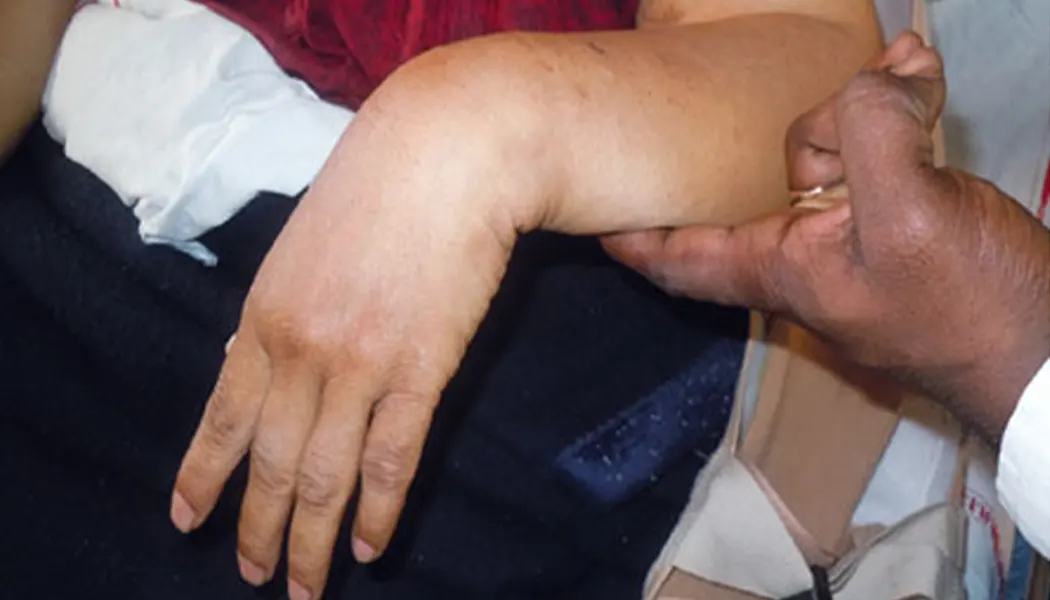
What is Radial Nerve Injury?
The radial nerve is one of the major nerves of the upper limb. It originates from the brachial plexus, a network of nerves that begins in the neck and supplies the shoulder, arm, and hand.
The radial nerve travels down the back of the upper arm, around the humerus, through the elbow region, and into the forearm and hand. Along its pathway, it provides motor control to several muscles and sensation to specific areas of the arm and hand.
The radial nerve helps control movements such as:
Straightening the Elbow: Through muscles including the triceps.
Lifting the Wrist: Allowing the wrist to extend upward.
Straightening the Fingers: Helping open the hand and release objects.
Thumb Movement: Contributing to specific thumb extension movements.
Sensation: Providing feeling to part of the back of the hand and thumb-side region.
When the radial nerve is injured, the symptoms depend on the location and severity of the nerve damage. A mild compression injury may cause temporary symptoms, while more significant nerve damage can result in longer-lasting weakness or sensory changes.
One characteristic sign of certain radial nerve injuries is wrist drop, where weakness of the wrist extensor muscles makes it difficult to lift the wrist into an extended position.
Early assessment is important to identify the cause, determine the level of injury, and develop an appropriate treatment and rehabilitation plan.
What Are The Symptoms Of Radial Nerve Injury?
Wrist Drop: Difficulty lifting or holding the wrist upward due to weakness of the muscles that extend the wrist.
Difficulty Straightening the Fingers: The fingers may be difficult to fully straighten, particularly at the knuckle joints.
Weak Grip: Difficulty positioning the wrist may reduce the ability to grip and hold objects effectively.
Hand and Wrist Weakness: Weakness may affect the wrist, fingers, thumb, or other muscles depending on the location of the nerve injury.
Difficulty Releasing Objects: Reduced finger extension can make opening the hand and releasing objects difficult.
Reduced Elbow Extension: If the injury occurs higher in the arm, weakness may also affect the ability to straighten the elbow.
Numbness or Altered Sensation: Tingling, numbness, or reduced sensation may occur in parts of the back of the hand or thumb-side region.
Burning or Shooting Pain: Some people may experience nerve-related pain, burning, or electric sensations.
Reduced Coordination: Fine hand movements may become more difficult.
Muscle Wasting: Long-standing or severe nerve injury can lead to a reduction in muscle size due to reduced nerve supply.
Difficulty with Everyday Activities: Writing, typing, lifting objects, opening doors, dressing, gripping tools, and other activities may become more challenging.
What Are The Causes Of Radial Nerve Injury?
Fracture of the Humerus: Because the radial nerve travels close to the upper arm bone, certain humeral fractures can injure or irritate the nerve.
Direct Trauma: A blow, deep injury, or accident affecting the arm or elbow may damage the radial nerve.
Prolonged Compression: Sustained pressure on the upper arm can compress the nerve. This may occur during prolonged positioning or when the arm is compressed against a hard surface.
Improper Sleeping Position: Prolonged pressure on the arm during sleep can temporarily compress the radial nerve in some cases.
Crush Injury: Significant compression of the arm can damage the nerve and surrounding tissues.
Elbow or Forearm Injury: Injuries around the elbow or forearm can affect branches of the radial nerve.
Repetitive Movements: Repetitive forearm and wrist movements may contribute to irritation of certain branches of the radial nerve.
Surgery: In rare cases, surgical procedures involving the upper arm, elbow, or forearm may affect the radial nerve.
Dislocation or Joint Injury: Trauma involving nearby joints may stretch or compress the nerve.
Tumours or Other Masses: Rarely, a mass along the nerve’s pathway may place pressure on the radial nerve.
Diagnosis Of Radial Nerve Injury
Medical History: A healthcare professional will ask about when symptoms started, recent injuries, prolonged pressure, surgery, repetitive activities, and changes in strength or sensation.
Physical Examination: The arm, elbow, wrist, and hand are assessed for movement, muscle strength, sensation, reflexes, and signs of nerve dysfunction.
Motor Function Assessment: Specific movements such as elbow extension, wrist extension, finger extension, and thumb movement may be tested.
Sensory Examination: Areas supplied by the radial nerve may be tested for numbness, reduced sensation, or altered feeling.
Neurological Examination: A healthcare professional may assess muscle strength, reflexes, coordination, and other neurological signs.
Nerve Conduction Studies: These tests can help assess how electrical signals travel along the radial nerve.
Electromyography (EMG): EMG may provide information about muscle activity and the extent of nerve involvement.
X-Ray: An X-ray may be used when a fracture or bony injury is suspected.
Ultrasound or MRI: Imaging may be considered to assess the nerve, surrounding tissues, masses, or other structural causes of compression.
Specialist Assessment: A neurologist, orthopaedic specialist, or hand specialist may be involved when there is significant weakness, trauma, or concern about severe nerve damage.
Treatment Of Radial Nerve Injury
Treatment of the Underlying Cause: Management depends on what caused the nerve injury, such as relieving compression, treating a fracture, or addressing another structural problem.
Rest and Activity Modification: Temporarily modifying activities that aggravate symptoms may help protect the affected nerve and surrounding tissues.
Splinting: A wrist or hand splint may be recommended to support functional positioning and help prevent prolonged abnormal joint positions.
Physiotherapy: A personalised rehabilitation programme may help maintain joint mobility, support muscle function, prevent stiffness, and improve functional use of the arm and hand.
Range of Motion Exercises: Carefully selected active, assisted, or passive movements may help maintain mobility in the affected joints.
Nerve Mobility Techniques: Where clinically appropriate, carefully performed nerve mobility exercises may be included as part of rehabilitation.
Strengthening Exercises: As nerve and muscle function recover, progressive strengthening may help improve arm, wrist, and hand strength.
Pain Management: A qualified healthcare professional may recommend appropriate medication or other treatments to manage pain.
Occupational or Hand Therapy: Additional rehabilitation may help improve fine motor skills, hand function, and independence in daily activities.
Surgical Treatment: In selected cases involving severe nerve damage, nerve laceration, persistent compression, or failure of recovery, surgical repair, decompression, grafting, or other procedures may be considered by a qualified specialist.
What Is The Physiotherapy Treatment Of Radial Nerve Injury
Detailed Functional Assessment: At Pure Physio, treatment begins with assessing your muscle strength, wrist and finger movement, sensation, joint mobility, pain, grip function, and the impact of symptoms on daily activities.
Maintaining Joint Mobility: Carefully guided exercises may help maintain movement in the elbow, forearm, wrist, fingers, and thumb.
Preventing Secondary Stiffness: Regular appropriate movement and positioning may help reduce stiffness that can develop when muscles are weak or inactive.
Appropriate Splinting Support: Where recommended by a qualified healthcare professional, splinting may help support the wrist and hand in a functional position.
Muscle Activation Exercises: As appropriate to the stage of nerve recovery, therapy may include exercises designed to encourage available muscle activity and movement.
Progressive Strengthening: As muscle function improves, strengthening exercises may be gradually introduced for the shoulder, arm, forearm, wrist, and hand.
Functional Hand Training: Rehabilitation may include practical activities to improve gripping, releasing, lifting, writing, typing, dressing, and other important hand functions.
Nerve Mobility Exercises: Where clinically appropriate, carefully selected neural mobility techniques may be used as part of an individualised rehabilitation programme.
Fine Motor Rehabilitation: Exercises and functional tasks may help improve finger control, coordination, and dexterity.
Sensory Re-Education: Where sensation is affected, appropriate rehabilitation techniques may help patients improve awareness and functional use of the affected area.
Home Exercise Programme: A personalised programme may be provided to continue appropriate mobility, strengthening, and functional exercises between therapy sessions.
Progress Monitoring: Your rehabilitation plan is reviewed regularly and adjusted according to changes in nerve recovery, muscle function, movement, and functional ability.
Why Choose Pure Physio?
Detailed Neurological and Functional Assessment: We assess movement, muscle strength, sensation, joint mobility, pain, and everyday hand and arm function to understand your individual rehabilitation needs.
Personalised Treatment Plans: Every nerve injury is different. Your rehabilitation programme is tailored according to the location and severity of the injury, current symptoms, stage of recovery, and functional goals.
Focus on Hand and Arm Function: Our approach focuses on helping suitable patients improve the ability to perform important activities such as gripping, lifting, writing, typing, dressing, and working.
Progressive Rehabilitation: Treatment is adapted as nerve and muscle function changes, with exercises progressed according to your individual capacity and recovery.
Mobility, Strength, and Coordination: Rehabilitation may combine joint mobility exercises, muscle activation, strengthening, nerve mobility, and functional movement training.
Support for Daily Independence: We focus on practical goals that help suitable patients improve confidence and independence in everyday life.
Integrated Care Approach: Where specialist medical, neurological, orthopaedic, or surgical care is required, physiotherapy can form part of a coordinated rehabilitation plan focused on safe and appropriate recovery.
Start Your Recovery Journey Today
Don’t let pain, stiffness, or reduced mobility affect your daily life. Get personalised physiotherapy care designed around your condition and recovery goals.