Quadriplegia
Support mobility, strength, independence, and quality of life with personalised physiotherapy rehabilitation for quadriplegia.
Contents
Take the First Step Towards Better Movement
Our experienced physiotherapists are here to help you improve mobility, regain strength, and move with greater comfort and confidence.
What is Quadriplegia?
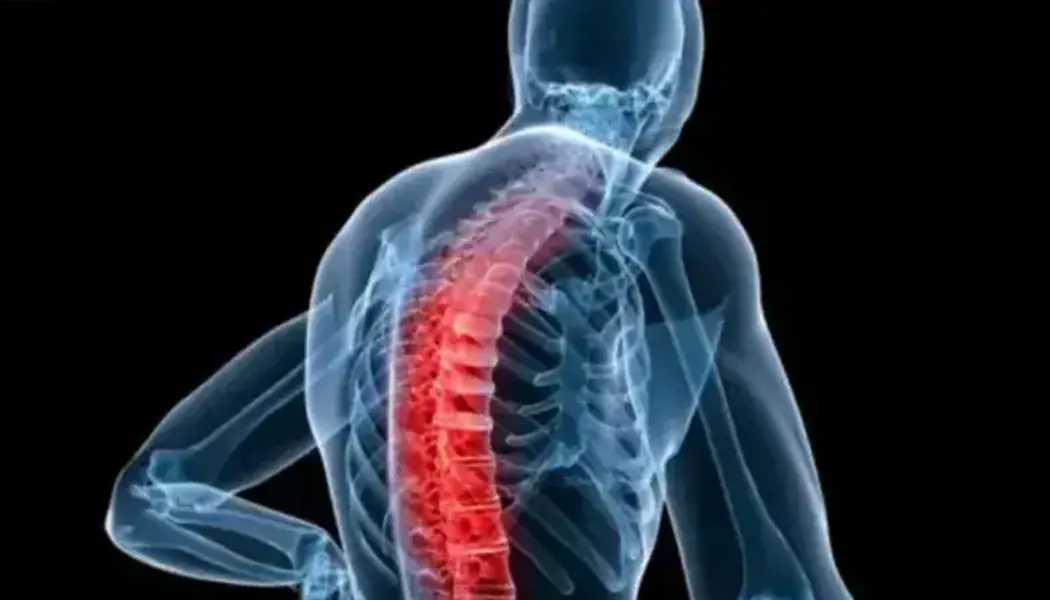
Quadriplegia, medically referred to as Tetraplegia, is a condition involving partial or complete loss of movement and/or sensation in both arms and both legs, usually with varying involvement of the trunk. It most commonly occurs due to an injury or disease affecting the cervical spinal cord, which is the portion of the spinal cord located in the neck.
The spinal cord carries messages between the brain and the body. When the cervical spinal cord is damaged, these messages may be disrupted, affecting movement, sensation, muscle control, and certain automatic body functions below the level of injury.
The effects of quadriplegia depend on where the spinal cord is affected and whether the injury is complete or incomplete. Some individuals may retain movement or sensation below the level of injury, while others may have more extensive paralysis. Higher cervical injuries generally affect a greater number of muscles and body functions than lower cervical injuries.
Quadriplegia can affect much more than limb movement. Depending on the neurological level, it may also influence breathing, bladder and bowel function, blood pressure regulation, body temperature control, and skin health. Rehabilitation is therefore highly individualised and often involves a multidisciplinary healthcare team.
What Are The Symptoms Of Quadriplegia?
The symptoms vary according to the cause, level, and severity of neurological damage.
Movement Symptoms
Weakness in All Four Limbs: Muscle weakness may affect both arms and both legs.
Paralysis: There may be partial or complete loss of voluntary movement.
Reduced Hand Function: Gripping, holding, and manipulating objects may be difficult.
Reduced Trunk Control: Sitting balance and postural control may be affected.
Muscle Spasticity: Muscles may become stiff or tighten involuntarily.
Muscle Spasms: Sudden involuntary muscle contractions may occur.
Reduced Coordination: Controlled movement may be difficult.
Sensory Symptoms
Reduced Sensation: Touch, pressure, temperature, or pain sensation may be reduced below the affected level.
Numbness: Areas below the neurological level may feel numb.
Tingling: Pins-and-needles sensations may occur in some individuals.
Neuropathic Pain: Nerve-related pain may feel burning, shooting, sharp, or electric.
Functional Effects
Difficulty Sitting: Reduced trunk control may affect sitting balance.
Difficulty with Transfers: Moving between a bed, chair, or wheelchair may require assistance or specialised techniques.
Reduced Mobility: Independent walking may not be possible, and many individuals require a wheelchair.
Reduced Independence in Daily Activities: Dressing, bathing, eating, and other tasks may require adaptation or assistance.
Other Possible Effects
Bladder Dysfunction: Spinal cord damage can affect bladder control and emptying.
Bowel Dysfunction: Bowel control may be affected.
Breathing Difficulties: Higher cervical spinal cord injuries can affect the muscles used for breathing.
Blood Pressure Changes: Difficulty regulating blood pressure may occur.
Body Temperature Regulation Problems: The ability to regulate body temperature may be affected.
Skin Problems: Reduced sensation and mobility can increase the risk of pressure injuries.
Sexual Dysfunction: Neurological changes can affect sexual function.
The exact combination and severity of symptoms are different for every individual.
What Are The Causes Of Quadriplegia?
Quadriplegia can result from injuries or conditions affecting the cervical spinal cord or certain parts of the nervous system.
Traumatic Spinal Cord Injury: Road accidents, falls, sports injuries, and other trauma can damage the cervical spinal cord.
Cervical Spine Fracture: A severe fracture in the neck can injure the spinal cord.
Cervical Spinal Cord Compression: Pressure from severe spinal narrowing, tumours, or other structures can affect spinal cord function.
Cervical Myelopathy: Progressive spinal cord compression in the neck can cause weakness and neurological changes.
Spinal Tumours: Tumours affecting the spinal cord or surrounding structures can disrupt nerve function.
Transverse Myelitis: Inflammation of the spinal cord can cause weakness or paralysis.
Multiple Sclerosis: Severe neurological involvement may affect movement in all four limbs.
Stroke: Rarely, extensive brain injury can cause weakness affecting all four limbs.
Neurological Disorders: Certain progressive neurological conditions can cause severe widespread weakness.
Congenital Conditions: Some conditions present from birth can affect spinal cord or nervous system function.
The underlying cause should always be identified and managed by an appropriate medical specialist.
Diagnosis Of Quadriplegia
Medical History: Healthcare professionals review the onset of symptoms, injury history, and progression of weakness or paralysis.
Neurological Examination: Muscle strength, sensation, reflexes, muscle tone, and voluntary movement are assessed.
Neurological Level Assessment: The level of spinal cord involvement is determined through detailed examination.
ASIA/ISNCSCI Assessment: A standard neurological assessment may be used to classify sensory and motor function after spinal cord injury.
MRI: MRI can provide detailed images of the spinal cord, discs, ligaments, and surrounding structures.
CT Scan: CT imaging may help identify fractures or other bony injuries.
X-Rays: X-rays may assess spinal alignment and bone injury.
Electrophysiological Tests: Selected nerve and muscle tests may be performed when needed.
Respiratory Assessment: Breathing function may require assessment, particularly with higher cervical injuries.
Bladder and Bowel Assessment: Specialist evaluation may be required to manage neurogenic bladder and bowel dysfunction.
Additional Investigations: Further testing depends on the suspected underlying cause.
Treatment Of Quadriplegia
Treatment depends on the cause, severity, and level of neurological involvement.
Emergency Medical Care: Acute spinal cord injuries require urgent medical assessment and stabilisation.
Spinal Stabilisation: Surgery or other treatment may be required to stabilise the spine or relieve spinal cord compression.
Medical Management: Treatment may address the underlying neurological condition and associated complications.
Respiratory Support: Higher-level injuries may require specialised support for breathing.
Physiotherapy: Physiotherapy supports mobility, movement, strength, respiratory function when appropriate, and prevention of secondary complications.
Occupational Therapy: Occupational therapy supports independence with self-care and daily activities.
Spasticity Management: Medication, positioning, stretching, and other interventions may help manage muscle stiffness and spasms.
Pain Management: Medical treatment may be required for nerve pain or musculoskeletal pain.
Bladder Management: Individualised programmes may support safe bladder emptying and urinary health.
Bowel Management: Structured programmes may support bowel function.
Pressure Injury Prevention: Regular pressure relief, positioning, and skin care are important.
Mobility Equipment: Wheelchairs, cushions, standing equipment, orthoses, and other devices may support mobility and independence.
Psychological Support: Emotional and psychological support can be an important part of long-term rehabilitation.
What Is The Physiotherapy Treatment Of Quadriplegia
Detailed Neurological Assessment: At Pure Physio, we assess available movement, muscle strength, sensation-related functional difficulties, muscle tone, joint mobility, posture, balance, respiratory needs where appropriate, and functional independence.
Individualised Rehabilitation Programme: Treatment is designed according to the neurological level, completeness of injury, underlying condition, medical status, and personal goals.
Positioning: Appropriate positioning supports comfort, joint alignment, skin protection, and prevention of prolonged pressure.
Range of Motion Exercises: Regular passive or active movement helps maintain joint mobility and reduce stiffness.
Stretching Programme: Appropriate stretching can help manage muscle tightness and reduce the risk of contractures.
Strengthening Exercises: Available muscle strength is developed through carefully selected exercises.
Trunk Control Training: Rehabilitation may focus on improving available sitting balance and postural control.
Balance Training: Exercises can support safe sitting and other achievable functional positions.
Bed Mobility Training: Therapy can improve skills such as rolling and repositioning in bed.
Transfer Training: Physiotherapy supports safe movement between the bed, wheelchair, chair, and other surfaces.
Functional Movement Training: Treatment focuses on meaningful activities based on the individual’s abilities and goals.
Upper-Limb Rehabilitation: Exercises may help maximise shoulder, arm, and hand function where neurological function is present.
Hand Function Training: Activities can support gripping, reaching, and practical upper-limb tasks when appropriate.
Spasticity Management: Positioning, movement, stretching, and weight-bearing strategies may help manage increased muscle tone.
Respiratory Physiotherapy: For individuals with respiratory involvement, appropriate physiotherapy may support breathing and secretion clearance under suitable medical guidance.
Wheelchair Skills Training: Therapy can help improve safe wheelchair mobility and independence.
Pressure Relief Education: Guidance is provided regarding regular repositioning and pressure management.
Standing Programmes: Standing frames or other supported standing equipment may be used when medically appropriate.
Mobility Equipment Guidance: Physiotherapy can work alongside rehabilitation specialists regarding appropriate seating, positioning, and mobility equipment.
Home Exercise Programme: A personalised programme supports ongoing movement and physical health between sessions.
Caregiver Education: Family members or caregivers may receive guidance on safe handling, transfers, positioning, and movement assistance.
Progress Monitoring: Rehabilitation is regularly reviewed and adapted as physical abilities, health needs, and functional goals change.
Why Choose Pure Physio?
Comprehensive Neurological Assessment: We assess movement, strength, muscle tone, joint mobility, posture, balance, and functional abilities.
Personalised Rehabilitation Plans: Your programme is tailored to your neurological level, physical abilities, medical needs, and individual goals.
Focus on Maximising Independence: Rehabilitation targets meaningful skills that support greater independence in daily life.
Mobility and Functional Training: Therapy focuses on movement skills such as bed mobility, transfers, sitting, and wheelchair mobility.
Joint Mobility and Contracture Prevention: Regular movement and positioning help maintain comfortable joint range and reduce secondary complications.
Strength and Available Function Development: We work to maximise the strength and function of unaffected or partially affected muscles.
Spasticity and Stiffness Management: Appropriate rehabilitation strategies can support the management of muscle tightness and spasms.
Postural and Seating Support: We address comfortable positioning, sitting balance, and functional posture.
Pressure Management Guidance: Education supports safe positioning and regular pressure relief.
Respiratory Support When Appropriate: Physiotherapy can address respiratory rehabilitation needs within an appropriate medical care plan.
Wheelchair and Mobility Support: We help develop practical skills for safe and independent mobility.
Home and Caregiver Guidance: We provide practical advice to support rehabilitation and safe movement outside therapy sessions.
Regular Progress Monitoring: Your programme is reviewed and adapted as needs, abilities, and goals change.
Integrated Care Approach: We support rehabilitation alongside spinal specialists, neurologists, rehabilitation physicians, occupational therapists, respiratory specialists, nurses, and other healthcare professionals when required.
Focused on Long-Term Function and Quality of Life: Our goal is to help maximise mobility, physical function, independence, comfort, confidence, and participation in the activities that matter most.
Start Your Recovery Journey Today
Don’t let pain, stiffness, or reduced mobility affect your daily life. Get personalised physiotherapy care designed around your condition and recovery goals.