Quadriceps Muscle Strain
Get personalised assessment and rehabilitation at Pure Physio to support a safe return to movement.
Contents
Take the First Step Towards Better Movement
Our experienced physiotherapists are here to help you improve mobility, regain strength, and move with greater comfort and confidence.
What is Quadriceps Muscle Strain?
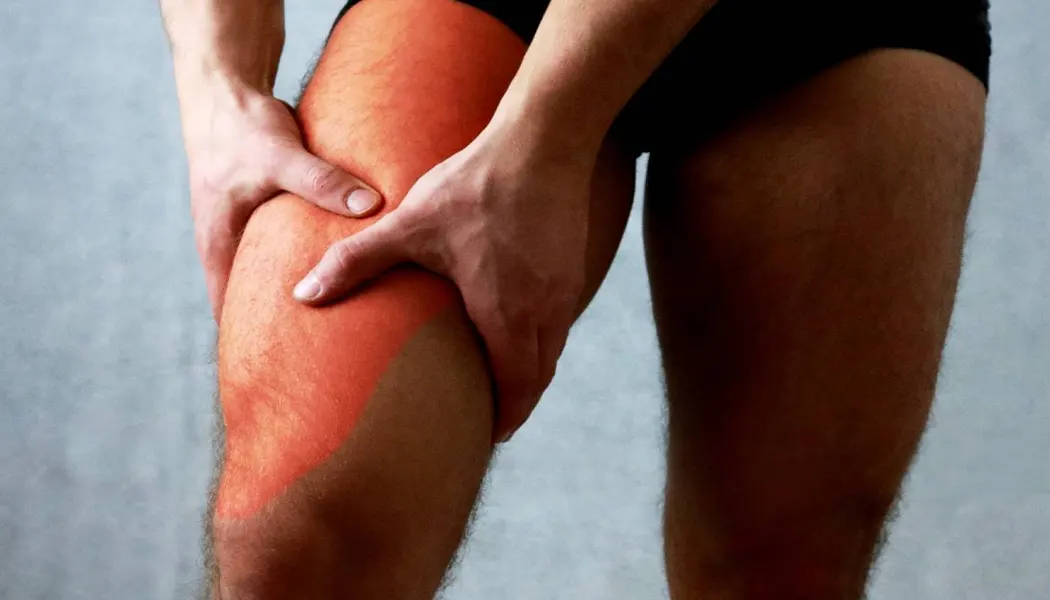
A Quadriceps Muscle Strain occurs when one or more muscles of the quadriceps group are overstretched or partially torn. The quadriceps are located at the front of the thigh and play an important role in straightening the knee, controlling movement, walking, running, jumping, squatting, and kicking.
The quadriceps muscle group consists of four muscles:
Rectus Femoris: Helps with both knee extension and hip flexion and is commonly involved in sports-related muscle strains.
Vastus Lateralis: Located on the outer part of the thigh and contributes to straightening the knee.
Vastus Medialis: Located on the inner part of the thigh and helps support knee movement and stability.
Vastus Intermedius: Located beneath the rectus femoris and contributes to knee extension.
A strain may range from a mild overstretching injury to a more significant partial or complete muscle tear. Symptoms and recovery time can vary depending on the severity and location of the injury. Quadriceps strains commonly occur during activities involving sprinting, sudden acceleration, kicking, jumping, or rapid changes in direction.
A proper assessment is important to determine the severity of the injury and guide an appropriate rehabilitation and return-to-activity plan.
What Are The Symptoms Of Quadriceps Muscle Strain?
Sudden Pain in the Front of the Thigh: A sharp or sudden pain may occur during sprinting, kicking, jumping, or another forceful movement.
Muscle Tenderness: The affected area may feel sore or painful when touched.
Swelling: Mild to significant swelling may develop around the injured part of the thigh.
Bruising: Depending on the severity of the muscle injury, bruising or discolouration may appear after the injury.
Muscle Tightness: The thigh may feel tight, particularly when trying to stretch or contract the quadriceps muscle.
Weakness: The injured muscle may feel weak, making activities such as walking, climbing stairs, squatting, or running more difficult.
Pain During Knee Movement: Straightening or bending the knee may stretch or activate the quadriceps and reproduce symptoms.
Pain During Hip Movement: If the rectus femoris is involved, movements of the hip may also cause discomfort.
Difficulty Walking: A more significant strain may cause limping or difficulty placing normal weight through the leg.
Reduced Sports Performance: Running, sprinting, kicking, jumping, and rapid changes in direction may become painful or difficult.
What Are The Causes Of Quadriceps Muscle Strain?
Sudden Overstretching: Rapid or forceful lengthening of the quadriceps beyond its tolerance can cause muscle fibres to become injured.
Sprinting: High-speed running places significant demands on the quadriceps, particularly during acceleration and deceleration.
Kicking: Forceful kicking requires rapid contraction and control of the quadriceps and can increase the risk of strain.
Jumping and Landing: Explosive movements and repeated jumping can place high forces on the thigh muscles.
Sudden Changes in Direction: Rapid acceleration, stopping, and changing direction can expose the muscles to high levels of force.
Inadequate Warm-Up: Beginning intense activity without appropriate preparation may increase the risk of muscle injury in some individuals.
Muscle Fatigue: Tired muscles may have a reduced ability to manage repeated or high physical loads.
Previous Muscle Injury: A history of a previous quadriceps strain may increase the risk of reinjury if strength, flexibility, and functional capacity have not been adequately restored.
Muscle Imbalance: Differences in strength, flexibility, or control between muscle groups may influence how forces are managed during movement.
Sudden Increase in Training Load: Rapidly increasing training intensity, duration, frequency, or exercise volume can place the muscles under stress they are not prepared to tolerate.
Diagnosis Of Quadriceps Muscle Strain
Medical History: A healthcare professional will ask how the injury occurred, when symptoms started, where the pain is located, and which movements or activities reproduce the pain.
Physical Examination: The thigh is assessed for tenderness, swelling, bruising, muscle tightness, strength, flexibility, and pain during movement.
Movement Testing: Walking, knee bending and straightening, hip movement, and other relevant functional movements may be assessed.
Muscle Strength Testing: The quadriceps may be tested to identify weakness or pain during muscle contraction.
Flexibility Assessment: Gentle stretching may help assess whether lengthening the muscle reproduces symptoms.
Ultrasound: In selected cases, an ultrasound scan may help assess muscle injuries and identify certain tears.
MRI Scan: An MRI may provide detailed information about the location and extent of a more significant muscle injury.
Severity Assessment: Muscle strains are often classified according to their severity, ranging from mild muscle fibre injury to more significant partial or complete tears.
Treatment Of Quadriceps Muscle Strain
Relative Rest: Temporarily reducing activities that significantly aggravate the injury can help protect the affected muscle during the early stage of recovery.
Activity Modification: High-speed running, kicking, jumping, or other painful activities may need to be modified until the muscle is ready for gradual loading.
Cold Therapy: Cold therapy may be used during the early stage of some injuries to help manage pain and discomfort.
Compression and Elevation: Depending on the injury and individual needs, compression and elevation may be considered to help manage swelling.
Pain Management: A healthcare professional may recommend appropriate pain-relief medication when required.
Physiotherapy: A personalised rehabilitation programme may help restore movement, flexibility, muscle strength, and physical function.
Progressive Exercise Rehabilitation: The muscle is gradually exposed to appropriate levels of movement and strengthening as symptoms improve and healing progresses.
Manual Therapy: Where clinically appropriate, hands-on techniques may be used to address surrounding muscle tightness and movement restrictions.
Gradual Return to Sport: Athletes should progress back to running, sprinting, kicking, jumping, and sport-specific activities according to their recovery and physical readiness.
Medical or Specialist Assessment: More severe strains or suspected muscle tears may require further medical assessment to determine the most appropriate treatment plan.
What Is The Physiotherapy Treatment Of Quadriceps Muscle Strain
Detailed Physiotherapy Assessment: At Pure Physio, treatment begins with understanding how your injury occurred, your symptoms, pain level, muscle function, strength, flexibility, walking pattern, and activity or sports goals.
Early Symptom Management: During the early stage, treatment focuses on protecting the injured area and introducing appropriate movement according to the severity of the injury.
Restoring Comfortable Movement: Carefully selected mobility exercises may help maintain movement in the hip and knee while respecting the healing muscle.
Progressive Flexibility Training: As appropriate for the recovery stage, gentle stretching and mobility exercises may gradually restore flexibility of the quadriceps and surrounding muscles.
Gradual Strengthening: Strengthening exercises are progressed from low-load muscle activation to more challenging resistance exercises based on symptoms and physical capacity.
Hip and Core Strengthening: The hips and trunk play an important role in controlling lower-limb movement. Appropriate strengthening may support overall movement control and physical performance.
Functional Movement Training: Rehabilitation may progress to movements such as squatting, stepping, lunging, walking, and other activities relevant to daily life.
Sport-Specific Rehabilitation: For athletes, later-stage rehabilitation may include a gradual progression of running, acceleration, deceleration, sprinting, jumping, kicking, and change-of-direction activities where appropriate.
Return-to-Activity Assessment: Your strength, flexibility, movement quality, and ability to perform relevant activities may be assessed before progressing towards a full return to demanding physical activity.
Home Exercise Programme: You may receive a personalised exercise programme to continue appropriate rehabilitation and progressive strengthening between physiotherapy sessions.
Why Choose Pure Physio?
Accurate Physical Assessment: We assess your symptoms, injury mechanism, thigh movement, muscle strength, flexibility, and functional limitations to guide an appropriate rehabilitation programme.
Personalised Recovery Plans: Every muscle injury is different. Your rehabilitation is tailored according to the severity of the strain, physical condition, activity level, and recovery goals.
Progressive Exercise Rehabilitation: We gradually progress your exercises according to your symptoms and physical capacity to help restore strength and movement safely.
Focus on Preventing Reinjury: Rehabilitation addresses relevant factors such as muscle strength, flexibility, movement control, and training load before returning to demanding activities.
Sport-Specific Recovery: For active individuals and athletes, treatment can progress towards the physical demands of running, sprinting, kicking, jumping, and sport-specific movements.
Hands-On and Exercise-Based Care: Where appropriate, manual therapy may be combined with active rehabilitation to address movement restrictions and support recovery.
Support from Recovery to Return: From the early stage of injury through to returning to work, exercise, or sport, Pure Physio provides personalised rehabilitation focused on restoring confidence and physical function.
Start Your Recovery Journey Today
Don’t let pain, stiffness, or reduced mobility affect your daily life. Get personalised physiotherapy care designed around your condition and recovery goals.