
Posterior Tibial Tendon Dysfunction
Reduce foot and ankle pain, rebuild strength, and improve walking confidence with personalised physiotherapy for Posterior Tibial Tendon Dysfunction.
Contents
Take the First Step Towards Better Movement
Our experienced physiotherapists are here to help you improve mobility, regain strength, and move with greater comfort and confidence.
What is Posterior Tibial Tendon Dysfunction?
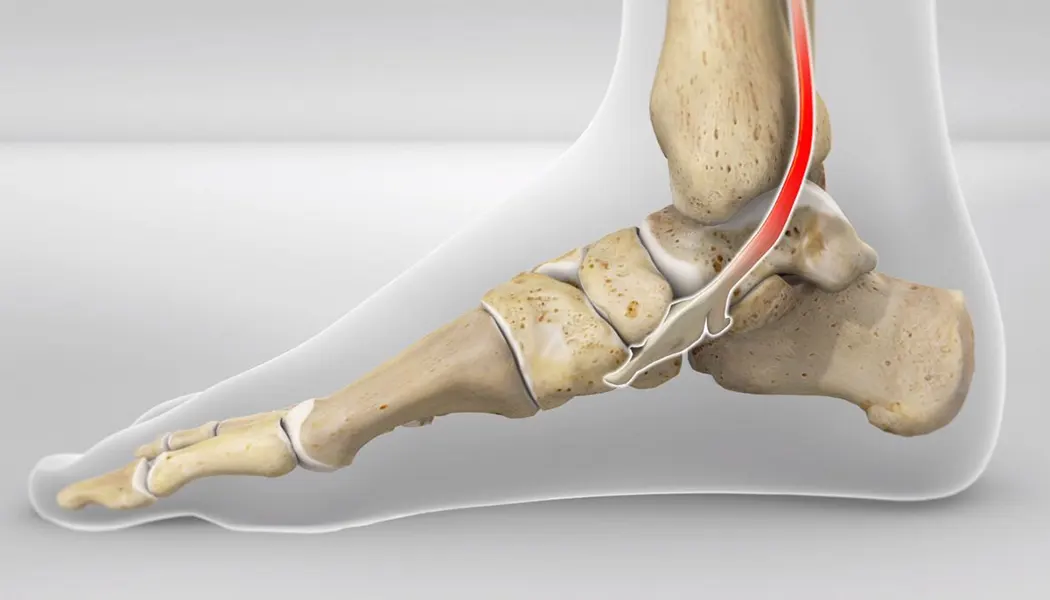
Posterior Tibial Tendon Dysfunction is a condition in which the posterior tibial tendon becomes overloaded, irritated, weakened, or damaged.
The posterior tibial muscle is located in the lower leg. Its tendon travels behind the inside of the ankle and attaches to structures in the foot.
The tendon plays an important role in:
Supporting the Foot Arch
Controlling Foot Movement
Helping Stabilise the Foot During Walking
Assisting with Push-Off During Walking and Running
When the tendon cannot perform these functions effectively, the foot may gradually lose some of its normal support.
This can lead to:
Pain Along the Inside of the Ankle or Foot
Swelling Around the Tendon
Weakness During Walking
Difficulty Rising onto the Toes
Progressive Flattening of the Foot Arch
In more advanced cases, changes in foot alignment may become more noticeable.
Posterior Tibial Tendon Dysfunction is now often included within the broader term Progressive Collapsing Foot Deformity (PCFD), as several structures—not only the tendon—can contribute to progressive changes in foot shape and function.
What Are The Symptoms Of Posterior Tibial Tendon Dysfunction?
Common Symptoms
Pain Along the Inside of the Ankle: Discomfort may occur behind or below the inner ankle bone.
Pain Along the Inside of the Foot: Symptoms may extend into the arch or other areas of the foot.
Swelling: Swelling or tenderness may develop around the posterior tibial tendon.
Flat or Flattening Foot Arch: The arch may gradually appear lower during standing.
Difficulty Walking: Pain and weakness may affect normal walking.
Pain During Activity: Prolonged walking, running, or standing may increase symptoms.
Other Possible Symptoms
Difficulty Standing on Tiptoes: Rising onto the toes on the affected leg may become difficult.
Weak Push-Off: Walking may feel less powerful during the push-off phase.
Foot Rolling Inward: The foot may increasingly roll inward during weight-bearing.
Heel Turning Outward: The heel may shift outward as foot alignment changes.
Tired Feet: The foot and ankle may feel fatigued after activity.
Pain on the Outside of the Ankle: In more advanced cases, altered foot alignment can place stress on structures on the outside of the ankle.
Reduced Balance: Weakness and altered foot control may affect stability.
Difficulty with Uneven Ground: Walking on uneven surfaces may become uncomfortable or challenging.
Progressive Foot Shape Changes: More significant cases may involve noticeable changes in foot alignment.
What Are The Causes Of Posterior Tibial Tendon Dysfunction?
PTTD usually develops due to a combination of factors that increase stress on the posterior tibial tendon.
Repetitive Overload: Repeated loading during prolonged standing, walking, running, or other activities may irritate the tendon.
Previous Foot or Ankle Injury: Trauma or previous injuries may damage the tendon or surrounding structures.
Sudden Increase in Activity: Rapidly increasing walking, running, or exercise can overload the tendon.
Flat Foot Mechanics: A foot that rolls inward excessively may increase demand on the tendon.
Age-Related Changes: Tendon strength and tissue quality can change over time.
Higher Body Weight: Increased load can place greater demand on the foot and ankle.
Muscle Weakness: Reduced strength in the foot, ankle, and lower leg may affect tendon loading and support.
Calf Tightness: Restricted ankle movement may alter how forces are distributed through the foot.
Inflammatory Conditions: Some inflammatory conditions can affect tendons and joints.
Diabetes: Diabetes may be associated with changes affecting tendon and tissue health.
High-Impact Activities: Repeated jumping, running, or other high-impact movements can increase tendon loading.
In some people, several contributing factors are present rather than one single cause.
Diagnosis Of Posterior Tibial Tendon Dysfunction
Medical History: A healthcare professional will ask about symptoms, activity levels, previous injuries, changes in foot shape, and functional difficulties.
Physical Examination: The foot and ankle are assessed for swelling, tenderness, alignment, and movement.
Tendon Assessment: The posterior tibial tendon is examined for pain, thickening, weakness, or other changes.
Foot Posture Assessment: Arch height, heel position, and foot alignment are assessed during weight-bearing.
Walking Assessment: Your gait and foot movement are evaluated.
Single-Leg Heel Raise Test: The ability to rise onto the toes on one leg may be assessed.
Range of Motion Assessment: Ankle and foot mobility are evaluated.
Strength Testing: The muscles supporting the foot, ankle, calf, and lower limb are assessed.
Balance Assessment: Single-leg balance and movement control may be evaluated.
X-Rays: X-rays may help assess bone alignment and structural changes.
Ultrasound: Ultrasound may be used to assess the tendon for thickening, tearing, or other abnormalities.
MRI Scan: MRI can provide detailed information about the posterior tibial tendon and other supporting structures.
Treatment Of Posterior Tibial Tendon Dysfunction
Treatment depends on the severity of symptoms, tendon involvement, foot alignment, and functional limitations.
Activity Modification: Temporarily reducing activities that significantly aggravate symptoms can help manage tendon overload.
Pain Management: Appropriate medication may be recommended by a healthcare professional when required.
Supportive Footwear: Appropriate footwear may help improve comfort and support.
Orthoses or Bracing: Insoles, orthoses, or braces may be recommended in selected cases to support the foot and reduce stress on affected structures.
Physiotherapy: A structured rehabilitation programme can help improve tendon capacity, muscle strength, mobility, balance, and functional movement.
Progressive Strengthening: Gradually increasing strength exercises helps improve the capacity of the tendon and supporting muscles.
Calf Mobility Exercises: Improving appropriate ankle movement may help address calf tightness and movement restrictions.
Weight Management: Maintaining a healthy body weight may help reduce load on the foot and ankle when appropriate.
Management of Underlying Conditions: Associated inflammatory, neurological, or metabolic conditions may require additional medical management.
Specialist Referral: Significant weakness, progressive foot deformity, suspected tendon rupture, or persistent symptoms may require specialist assessment.
Surgery: Surgical treatment may be considered in selected cases involving significant tendon damage or progressive structural deformity that does not respond adequately to conservative management.
What Is The Physiotherapy Treatment Of Posterior Tibial Tendon Dysfunction
Detailed Assessment: At Pure Physio, we assess pain, tendon sensitivity, foot posture, ankle movement, muscle strength, walking pattern, balance, activity demands, and functional limitations.
Individualised Rehabilitation Programme: Your treatment is tailored according to your symptoms, tendon condition, foot alignment, activity level, lifestyle, and recovery goals.
Load Management: We help you gradually manage and progress activities to avoid unnecessary tendon overload while maintaining appropriate movement.
Pain Management Strategies: Appropriate treatment and exercise selection may help manage discomfort and support recovery.
Posterior Tibial Muscle Strengthening: Targeted exercises help improve the strength and capacity of the muscles supporting the inside of the ankle and foot.
Progressive Tendon Loading: Carefully progressed exercises help improve the tendon’s ability to tolerate everyday and physical activity demands.
Foot Strengthening Exercises: Targeted exercises improve strength and control of the muscles supporting the foot.
Intrinsic Foot Muscle Training: Exercises help strengthen the small muscles within the foot.
Arch Control Exercises: Specific exercises may improve active control and support of the foot arch.
Ankle Strengthening: Progressive exercises improve the strength of muscles supporting ankle movement and stability.
Calf Strengthening: Exercises improve the strength and endurance needed for standing, walking, and pushing off.
Calf Mobility and Flexibility Exercises: Carefully selected mobility work may help improve ankle movement when restrictions are present.
Hip and Gluteal Strengthening: Targeted exercises improve overall lower-limb strength and movement control.
Balance and Proprioception Training: Exercises help improve foot and ankle awareness, stability, and confidence.
Foot Posture Training: When appropriate, rehabilitation helps improve active control of foot alignment during movement.
Walking Retraining: We assess and guide walking patterns to support more comfortable and efficient movement.
Movement Retraining: Therapy may address lower-limb control during standing, walking, squatting, stepping, running, and other activities.
Footwear Guidance: Practical advice can help you consider footwear features based on comfort, activity demands, and individual needs.
Orthotic Support Guidance: When orthoses or braces are recommended, we provide guidance on using them as part of your overall rehabilitation plan.
Functional Strength Training: Exercises progress towards movements relevant to your work, lifestyle, exercise, and daily activities.
Return to Running: A gradual running programme may be introduced when symptoms, tendon capacity, strength, and movement control are appropriate.
Home Exercise Programme: A personalised programme supports continued strengthening and recovery between appointments.
Progress Monitoring: Your rehabilitation is regularly reviewed and adjusted according to symptoms, tendon response, movement, strength, balance, walking ability, and functional progress.
Why Choose Pure Physio?
Comprehensive Foot and Ankle Assessment: We assess tendon symptoms, foot posture, ankle movement, strength, walking patterns, balance, and functional limitations.
Personalised Rehabilitation Plans: Your programme is tailored according to your tendon condition, symptoms, foot alignment, activity demands, lifestyle, and personal goals.
Focus on Tendon Recovery: Rehabilitation carefully manages and progresses tendon loading according to your symptoms and functional capacity.
Improve Foot and Ankle Strength: Progressive exercises target the foot, ankle, calf, and other muscles supporting movement.
Support Foot Arch Control: Targeted exercises help improve active control of the foot and lower-limb movement.
Restore Comfortable Mobility: Carefully selected exercises help improve ankle and foot movement.
Build Lower-Limb Strength: Rehabilitation includes the calf, hips, gluteals, and other muscles involved in functional movement.
Improve Balance and Stability: Targeted exercises help improve foot and ankle awareness, control, and confidence.
Walking and Movement Retraining: We help improve movement patterns to support comfortable and efficient daily activity.
Footwear and Support Guidance: Practical advice helps you make informed decisions about comfort and support.
Activity Management Support: We provide guidance on progressing standing, walking, exercise, and other activities according to symptoms and recovery.
Functional Recovery Focus: Therapy targets meaningful activities such as standing, walking, climbing stairs, exercising, and participating in daily life.
Safe Exercise Progression: Your programme is adjusted according to symptoms, tendon response, strength, mobility, and functional improvement.
Home Exercise Guidance: You receive a personalised programme to support consistent progress outside your appointments.
Regular Progress Monitoring: Your rehabilitation is reviewed and adapted according to changes in pain, tendon symptoms, movement, strength, balance, and function.
Integrated Care Approach: We work alongside doctors, podiatrists, orthopaedic specialists, and other healthcare professionals when required.
Focused on Long-Term Foot and Ankle Function: Our goal is to reduce discomfort, improve tendon capacity, restore strength and movement, support better foot control, and help you return to the activities that matter most.
Start Your Recovery Journey Today
Don’t let pain, stiffness, or reduced mobility affect your daily life. Get personalised physiotherapy care designed around your condition and recovery goals.