
Popliteal (Baker’s) Cyst
Manage knee discomfort, improve movement, and return to comfortable daily activity with personalised physiotherapy for a Popliteal (Baker's) Cyst.
Contents
Take the First Step Towards Better Movement
Our experienced physiotherapists are here to help you improve mobility, regain strength, and move with greater comfort and confidence.
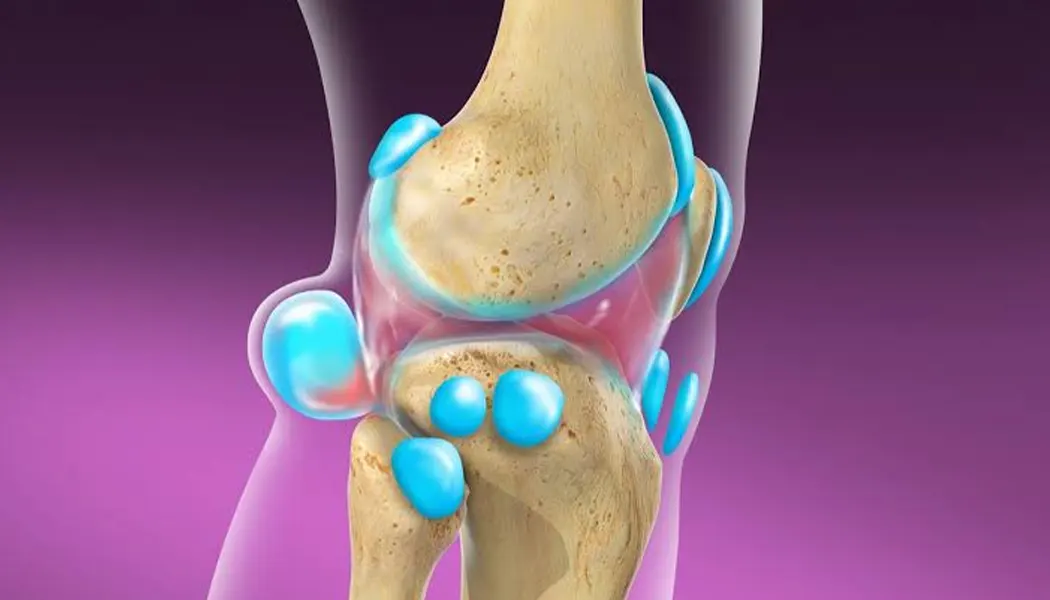
What is Popliteal (Baker’s) Cyst?
A Popliteal Cyst, also called a Baker’s Cyst, is a fluid-filled sac that develops in the popliteal area, which is the space behind the knee.
The knee joint naturally contains a small amount of synovial fluid. This fluid helps lubricate the joint and supports smooth movement.
When the knee produces excess synovial fluid, often due to irritation, inflammation, or another knee condition, some of this fluid can move into a small bursa or sac located behind the knee. This can cause the sac to enlarge and form a Baker’s Cyst.
A Baker’s Cyst may:
Cause No Symptoms: Some cysts are discovered incidentally and do not cause pain or functional problems.
Remain Small: The swelling may be minor and barely noticeable.
Increase in Size: A larger cyst can create pressure or tightness behind the knee.
Cause Knee Stiffness: Full bending or straightening may become uncomfortable.
Change in Size: The swelling may become more or less noticeable depending on knee activity and the amount of fluid present.
Occur Due to an Underlying Knee Condition: The cyst is often related to another problem within the knee that causes increased fluid production.
A Baker’s Cyst itself is usually not the only issue requiring attention, which is why identifying and managing the underlying knee condition is important.
What Are The Symptoms Of Popliteal (Baker’s) Cyst?
Common Symptoms
Swelling Behind the Knee: A lump or area of fullness may be noticed at the back of the knee.
Feeling of Tightness: The back of the knee may feel stretched or tight.
Knee Stiffness: Bending or straightening the knee may become difficult.
Pain Behind the Knee: Discomfort may be felt in the back of the knee, particularly with movement.
Fullness in the Knee: The knee may feel swollen or pressured.
Reduced Knee Movement: A large or symptomatic cyst can make full movement uncomfortable.
Other Possible Symptoms
Pain with Bending: Deep knee bending may increase pressure or discomfort.
Pain with Straightening: Fully straightening the knee may feel tight or painful.
Discomfort During Walking: Symptoms may become more noticeable during prolonged walking or standing.
Swelling Around the Knee: The underlying knee condition may also cause joint swelling.
Difficulty Squatting: Deep bending movements may be uncomfortable.
Calf Tightness: A large cyst may cause a feeling of tightness extending towards the upper calf.
Changes in Cyst Size: The swelling may become more noticeable at certain times.
A sudden increase in calf pain, swelling, warmth, or redness requires urgent medical assessment, as a ruptured Baker’s Cyst can cause symptoms similar to a blood clot in the leg and other serious conditions need to be ruled out.
What Are The Causes Of Popliteal (Baker’s) Cyst?
A Baker’s Cyst often develops because the knee is producing extra synovial fluid.
Knee Osteoarthritis: Joint changes and irritation can increase fluid production.
Rheumatoid Arthritis: Inflammation within the knee can contribute to excess synovial fluid.
Meniscal Injury: A tear in the meniscus can irritate the knee and increase fluid production.
Cartilage Damage: Damage within the knee joint can lead to inflammation and swelling.
Knee Inflammation: Synovitis or other causes of joint inflammation can increase fluid production.
Previous Knee Injury: Trauma may cause irritation or damage that contributes to swelling.
Overuse: Repeated stress may aggravate an underlying knee condition.
Other Joint Conditions: Various conditions affecting the knee can contribute to increased synovial fluid.
In children, Baker’s Cysts may occur without an underlying knee condition and are managed differently from adult cases.
Diagnosis Of Popliteal (Baker’s) Cyst
Medical History: A healthcare professional will ask about your symptoms, knee pain, swelling, previous injuries, and medical history.
Physical Examination: The knee and area behind the knee are assessed for swelling, tenderness, movement, and signs of an underlying condition.
Knee Range of Motion Assessment: Bending and straightening are evaluated.
Strength Assessment: The muscles around the knee and lower limb may be assessed.
Functional Assessment: Walking, standing, stair use, squatting, and other activities may be evaluated.
Ultrasound Scan: Ultrasound can help identify a fluid-filled cyst and assess its location.
MRI Scan: MRI may be used to assess the cyst and identify underlying problems such as meniscal tears, cartilage damage, or other knee conditions.
X-Rays: X-rays do not directly show the cyst but may help identify underlying conditions such as osteoarthritis.
Other Tests: Additional assessment may be needed to rule out other causes of swelling behind the knee or in the calf.
Treatment Of Popliteal (Baker’s) Cyst
Treatment depends on the size of the cyst, symptoms, and the underlying knee condition.
Assessment of the Underlying Cause: Managing the condition causing excess knee fluid is an important part of treatment.
Activity Modification: Temporarily adjusting activities that significantly increase symptoms may help manage discomfort.
Pain Management: Appropriate medication may be recommended by a healthcare professional when required.
Physiotherapy: Rehabilitation can help improve knee movement, strength, function, and overall load management.
Exercise: Carefully selected exercises help maintain or improve strength and mobility.
Management of Knee Swelling: Appropriate strategies may be used to help manage joint swelling.
Treatment of Underlying Knee Conditions: Osteoarthritis, meniscal injuries, inflammatory conditions, or other contributing problems may require specific treatment.
Aspiration: In selected cases, a healthcare professional may drain fluid from the cyst using a needle. However, cysts can return if the underlying cause continues to produce excess fluid.
Injection Treatment: A healthcare professional may discuss injections in selected cases, depending on the underlying knee condition.
Surgery: Surgery to remove a Baker’s Cyst is uncommon and is generally considered only in selected cases, particularly when symptoms persist despite appropriate management of the underlying cause.
What Is The Physiotherapy Treatment Of Popliteal (Baker’s) Cyst
Detailed Assessment: At Pure Physio, we assess knee pain, swelling, movement, muscle strength, walking ability, balance, activity levels, and the impact of symptoms on your daily life.
Individualised Rehabilitation Programme: Your treatment is tailored according to your symptoms, underlying knee condition, mobility, strength, activity demands, and personal goals.
Pain Management Strategies: Appropriate physiotherapy techniques may help manage discomfort and support comfortable movement.
Knee Mobility Exercises: Carefully selected exercises help maintain or improve comfortable knee bending and straightening.
Gentle Range of Motion Exercises: Controlled movement can help reduce stiffness and maintain joint mobility.
Quadriceps Strengthening: Progressive exercises strengthen the muscles at the front of the thigh to support knee function.
Hamstring Strengthening: Exercises help improve the strength and function of the muscles at the back of the thigh.
Hip and Gluteal Strengthening: Targeted exercises improve lower-limb strength and movement control.
Calf Strengthening: Exercises may help support walking, standing, and lower-limb function.
Balance Training: Targeted exercises help improve stability and confidence during movement.
Walking Rehabilitation: Therapy can help improve walking ability, movement efficiency, and confidence.
Functional Strength Training: Rehabilitation may include activities such as sit-to-stand, step-ups, controlled squats, and other movements progressed according to your symptoms.
Activity and Load Management: We provide guidance on balancing activity and recovery to help manage symptoms without unnecessary flare-ups.
Movement Retraining: Guidance may help improve movement patterns during walking, bending, squatting, and other daily activities.
Low-Impact Exercise Guidance: We can recommend suitable forms of exercise to help maintain fitness while managing knee symptoms.
Home Exercise Programme: A personalised programme supports continued mobility and strengthening between appointments.
Progress Monitoring: Your treatment is regularly reviewed and progressed according to pain, swelling, movement, strength, walking ability, and functional improvement.
Why Choose Pure Physio?
Comprehensive Knee Assessment: We assess pain, swelling, knee movement, muscle strength, walking ability, balance, and functional limitations.
Focus on the Underlying Cause: We consider the knee condition contributing to excess fluid and cyst development as part of your rehabilitation plan.
Personalised Rehabilitation Plans: Your programme is tailored according to your symptoms, underlying condition, activity level, lifestyle, and personal goals.
Improve Knee Mobility: Carefully selected exercises help reduce stiffness and support comfortable knee movement.
Build Lower-Limb Strength: Progressive strengthening helps support the knee during everyday activities.
Improve Walking Confidence: Rehabilitation helps improve walking ability, endurance, and movement efficiency.
Balance and Stability Training: Targeted exercises help improve lower-limb control and confidence.
Functional Recovery Focus: Therapy targets meaningful activities such as standing, walking, climbing stairs, squatting, bending, and exercising.
Activity Management Support: We provide practical guidance to help you remain active while managing symptoms.
Safe Exercise Progression: Your programme is adjusted according to your symptoms, physical ability, and functional progress.
Low-Impact Exercise Guidance: We help identify suitable activities that support mobility and fitness while reducing unnecessary stress on the knee.
Home Exercise Guidance: You receive a personalised programme to support consistent progress outside your appointments.
Regular Progress Monitoring: Your rehabilitation is reviewed and adapted according to changes in pain, swelling, movement, strength, walking ability, and function.
Integrated Care Approach: We work alongside doctors, orthopaedic specialists, rheumatology teams, and other healthcare professionals when required.
Focused on Long-Term Knee Function: Our goal is to manage symptoms, improve movement, rebuild strength, support the underlying knee condition, and help you return to comfortable and confident daily activity.
Start Your Recovery Journey Today
Don’t let pain, stiffness, or reduced mobility affect your daily life. Get personalised physiotherapy care designed around your condition and recovery goals.