
Plantar Fasciitis
Relieve heel pain, improve foot mobility, and get back to comfortable walking with personalised physiotherapy for plantar fasciitis.
Contents
Take the First Step Towards Better Movement
Our experienced physiotherapists are here to help you improve mobility, regain strength, and move with greater comfort and confidence.
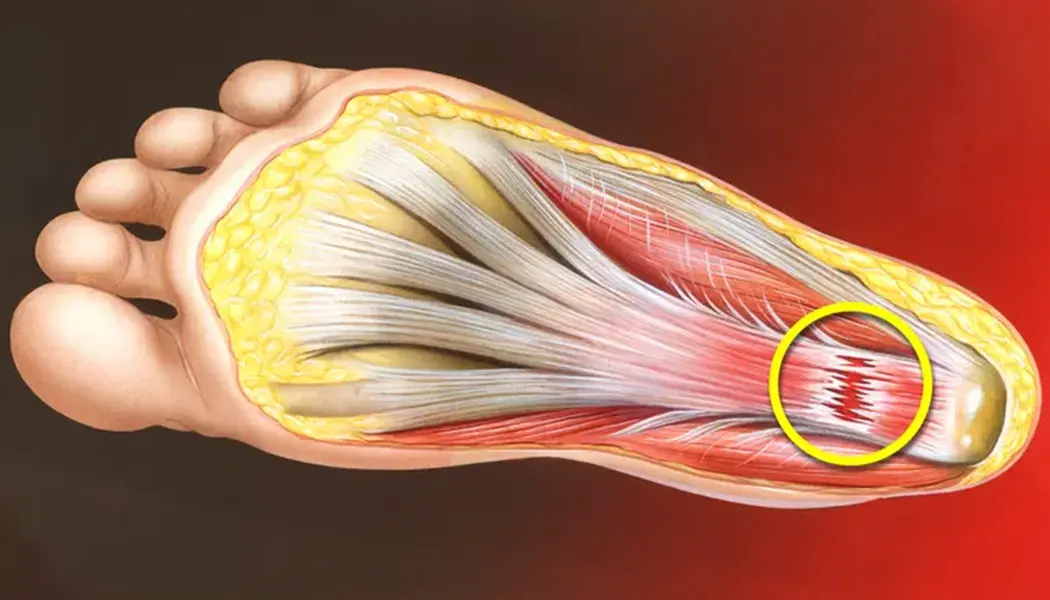
What is Plantar Fasciitis?
Plantar Fasciitis is one of the most common causes of heel pain. It affects the plantar fascia, a strong band of connective tissue that runs along the bottom of the foot and supports the arch. Pain is usually felt underneath the heel and is often worse during the first steps in the morning or after a period of rest. Symptoms may also increase with prolonged standing, walking, running, or other weight-bearing activities. At Pure Physio, treatment focuses on reducing pain, improving flexibility and foot mobility, strengthening the foot and lower-leg muscles, and gradually improving your ability to return to comfortable daily activities.
Plantar Fasciitis is a condition involving pain and irritation around the plantar fascia, the thick band of connective tissue that extends from the heel bone towards the toes along the sole of the foot. The plantar fascia helps support the arch of the foot and absorbs forces during activities such as standing, walking, and running. Repeated or excessive loading can irritate the tissue and surrounding structures, causing pain, particularly near its attachment to the heel. Although the condition is commonly called plantar fasciitis, long-standing cases may involve more degenerative changes than active inflammation. It can affect one or both feet and is especially common in people who spend long periods standing, suddenly increase their physical activity, or participate in running and other high-impact activities.
What Are The Symptoms Of Plantar Fasciitis?
Heel Pain: Pain is commonly felt underneath or around the inner side of the heel.
Pain with First Steps: The first few steps after getting out of bed are often particularly painful.
Pain After Rest: Symptoms may increase when standing or walking after sitting or resting for a prolonged period.
Pain During Prolonged Standing: Standing for long periods may increase heel discomfort.
Pain During Walking: Walking, particularly over longer distances, may aggravate symptoms.
Pain During Running: Running and other high-impact activities may worsen heel pain.
Arch Pain: Some individuals experience discomfort along the arch of the foot.
Sharp or Stabbing Pain: Pain may feel sharp, stabbing, or intense, especially during the first steps after rest.
Tenderness Near the Heel: Pressing on the bottom or inner side of the heel may be painful.
Foot Stiffness: The sole of the foot or calf may feel stiff, particularly after inactivity.
Calf Tightness: Tightness in the calf muscles or Achilles tendon may contribute to symptoms.
Pain That Improves Then Returns: Pain may reduce after moving for a while but return after prolonged activity.
Symptoms can vary depending on the severity of the condition and the amount of loading placed on the foot.
What Are The Causes Of Plantar Fasciitis?
Plantar fasciitis usually develops when the plantar fascia is exposed to repeated or excessive stress.
Repeated Overloading: Frequent loading of the foot during standing, walking, or running can irritate the plantar fascia.
Sudden Increase in Activity: Rapidly increasing walking distance, running, exercise intensity, or training volume can overload the tissue.
Prolonged Standing: Spending long periods on your feet, particularly on hard surfaces, can increase strain.
Running and High-Impact Sports: Repetitive impact can place greater loads on the plantar fascia.
Calf Tightness: Limited flexibility in the calf muscles or Achilles tendon may increase stress on the foot.
Reduced Ankle Mobility: Limited ankle movement can alter walking mechanics and increase loading through the plantar fascia.
Foot Mechanics: Certain foot movement patterns may contribute to increased strain.
Poor Footwear: Shoes that provide inadequate support or are unsuitable for regular activities may contribute to symptoms.
Worn-Out Footwear: Old or excessively worn shoes may provide less support and cushioning.
High Body Weight: Increased body weight can increase the load placed on the feet.
Occupational Demands: Jobs requiring prolonged standing or walking may increase the risk.
Sudden Change in Surface: Training on a different or harder surface can alter loading.
Reduced Foot and Calf Strength: Weakness in the muscles supporting the foot and lower leg may affect load management.
Often, plantar fasciitis develops due to a combination of repeated loading and individual physical factors.
Diagnosis Of Plantar Fasciitis
Medical History: A healthcare professional will ask where the pain is located, when it occurs, and which activities aggravate or relieve symptoms.
Physical Examination: The heel, plantar fascia, foot, ankle, and calf are assessed.
Palpation: Tenderness around the attachment of the plantar fascia near the heel may be assessed.
Foot and Ankle Movement Assessment: Ankle and toe movement may be evaluated.
Calf Flexibility Assessment: Tightness in the calf muscles and Achilles tendon may be assessed.
Strength Assessment: The strength of the foot, ankle, and lower-leg muscles may be evaluated.
Walking Assessment: Your walking pattern and foot loading may be observed.
Functional Assessment: Standing, walking, stair climbing, running, or other relevant activities may be assessed.
Ultrasound: Ultrasound may be used in selected cases to assess the plantar fascia and surrounding structures.
X-Rays: X-rays may be used when a fracture, arthritis, or other bony cause of heel pain is suspected.
MRI: MRI may be considered when the diagnosis is unclear or another condition is suspected.
Imaging is not always necessary when symptoms and clinical examination are consistent with plantar fasciitis.
Treatment Of Plantar Fasciitis
Treatment aims to reduce symptoms, improve the ability of the foot to tolerate load, and support a gradual return to normal activities.
Activity Modification: Temporarily reducing activities that significantly aggravate heel pain can help manage symptoms.
Physiotherapy: A structured rehabilitation programme can address mobility, strength, and progressive loading.
Stretching Exercises: Appropriate calf and plantar fascia stretches may help improve flexibility.
Strengthening Exercises: Progressive exercises help strengthen the foot, ankle, and calf muscles.
Load Management: Gradually adjusting standing, walking, running, and exercise levels can help prevent repeated overloading.
Supportive Footwear: Appropriate footwear may improve comfort and support during daily activities.
Orthotics or Heel Supports: Insoles, heel cups, or orthotic devices may be considered for selected individuals.
Cold Therapy: Cold may provide temporary pain relief after aggravating activity.
Pain Management: A doctor may recommend suitable medication when required.
Taping: Taping techniques may provide temporary support and symptom relief in selected cases.
Night Splints: These may be considered for some individuals, particularly when morning pain is significant.
Injection Therapy: Certain injections may be considered in persistent cases following appropriate medical assessment.
Shockwave Therapy: Extracorporeal shockwave therapy may be considered for selected cases that do not improve with initial conservative management.
Specialist Referral: Persistent, severe, or unusual heel pain may require further medical assessment.
Most people improve with appropriate conservative treatment, although recovery can take time and varies between individuals.
What Is The Physiotherapy Treatment Of Plantar Fasciitis
Detailed Assessment: At Pure Physio, we assess your heel pain, foot and ankle movement, calf flexibility, muscle strength, walking pattern, activity levels, footwear, and functional limitations.
Pain-Guided Rehabilitation: Your exercises are selected and progressed according to your symptoms and ability to tolerate loading.
Plantar Fascia Mobility Exercises: Carefully selected movements may help improve flexibility and comfortable movement of the tissues in the sole of the foot.
Calf Stretching: Appropriate stretching can help address tightness in the calf muscles and Achilles tendon.
Plantar Fascia Stretching: Specific stretches may help improve comfort and flexibility where appropriate.
Foot Strengthening: Exercises target the small muscles of the foot that help support and control the arch.
Calf Strengthening: Progressive exercises help improve the strength and load tolerance of the calf muscles.
Ankle Strengthening: Exercises improve control and stability around the ankle.
Progressive Loading Programme: The foot is gradually exposed to appropriate levels of standing, walking, and exercise to improve its capacity.
Balance Training: Exercises help improve foot, ankle, and lower-limb control during standing and movement.
Manual Therapy: Appropriate hands-on techniques may be used to address joint or soft-tissue restrictions when clinically suitable.
Taping: Selected taping techniques may provide temporary support during activity.
Walking Re-Education: We assess and address movement factors affecting foot loading where appropriate.
Footwear Guidance: Practical advice can help you choose footwear appropriate for your activities and comfort.
Activity Modification Advice: We help you manage walking, standing, running, and exercise while recovering.
Return-to-Running Rehabilitation: For runners, activity is gradually progressed according to symptoms, strength, and functional ability.
Home Exercise Programme: A personalised programme supports consistent rehabilitation between physiotherapy sessions.
Progress Monitoring: Your treatment plan is reviewed and adjusted according to improvements in pain, strength, walking ability, and activity tolerance.
Why Choose Pure Physio?
Detailed Foot and Heel Assessment: We assess your pain, movement, strength, flexibility, walking pattern, and daily activity demands.
Personalised Rehabilitation Plans: Your treatment is adapted to your symptoms, physical ability, lifestyle, work, sport, and recovery goals.
Focus on the Underlying Factors: Rehabilitation addresses foot and calf strength, ankle mobility, flexibility, and activity-related loading.
Progressive Loading Approach: We help gradually build the foot’s capacity to tolerate standing, walking, running, and other activities.
Pain-Guided Exercise Progression: Your programme progresses according to your symptoms and physical response.
Foot and Lower-Limb Strengthening: We target the muscles that support the arch, ankle, and efficient lower-limb movement.
Walking and Activity Support: Therapy focuses on helping you return to comfortable everyday movement.
Footwear and Self-Management Guidance: We provide practical advice to help manage symptoms during daily activities.
Support for Active Individuals: Rehabilitation can be adapted for runners, athletes, and individuals with physically demanding work.
Return-to-Sport Rehabilitation: Your programme can progress towards running, jumping, and sport-specific activities when appropriate.
Regular Progress Monitoring: Your treatment plan is reviewed and adjusted as your pain, strength, and activity tolerance improve.
Integrated Care Approach: When orthotics, imaging, shockwave therapy, injections, or specialist assessment are required, we can support physiotherapy as part of a coordinated care plan.
Focused on Long-Term Recovery: Our goal is to help reduce heel pain, improve strength and mobility, restore confidence in movement, and help you return safely to the activities that matter to you.
Start Your Recovery Journey Today
Don’t let pain, stiffness, or reduced mobility affect your daily life. Get personalised physiotherapy care designed around your condition and recovery goals.