
Piriformis Syndrome
Relieve buttock and leg pain, improve mobility, and move comfortably with personalised physiotherapy for piriformis syndrome.
Contents
Take the First Step Towards Better Movement
Our experienced physiotherapists are here to help you improve mobility, regain strength, and move with greater comfort and confidence.
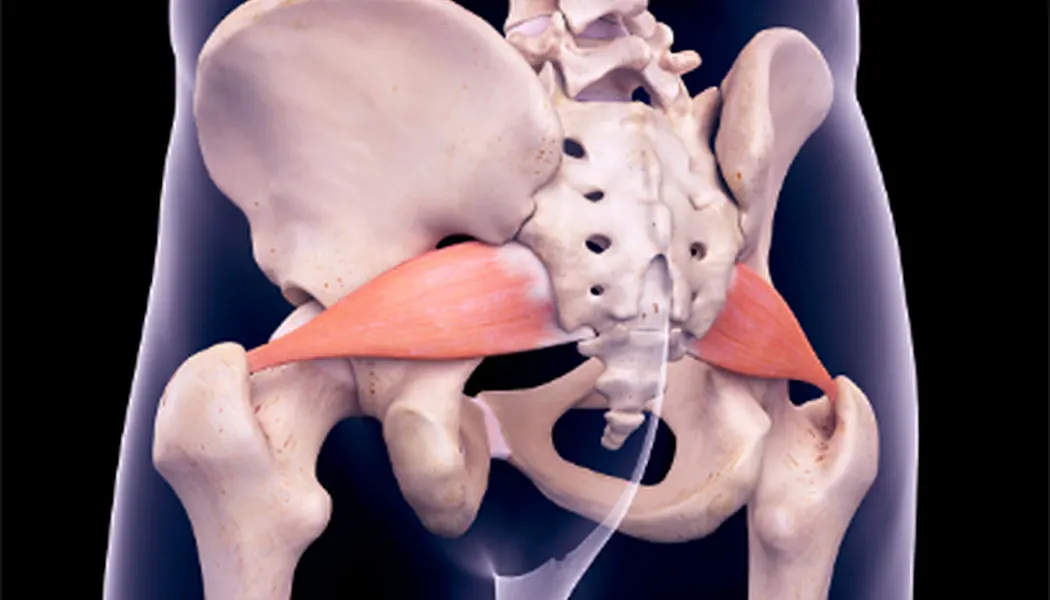
What is Piriformis Syndrome?
Piriformis Syndrome is a condition in which the piriformis muscle, located deep in the buttock, irritates or places pressure on the nearby sciatic nerve. This can cause pain in the buttock that may spread down the back of the thigh and, in some cases, further into the leg. Symptoms can become worse with prolonged sitting, walking, running, climbing stairs, or certain hip movements. At Pure Physio, treatment focuses on identifying contributing movement and muscle factors, improving hip mobility and strength, reducing nerve irritation, and helping you return to comfortable daily activities.
Piriformis Syndrome is a term used to describe buttock pain and sciatic nerve-related symptoms associated with the piriformis muscle or other structures in the deep gluteal region. The piriformis is a small muscle located deep within the buttock that helps control hip movement and stability. The sciatic nerve passes close to this muscle, although its exact anatomical relationship can vary between individuals. If the muscle becomes irritated, overloaded, tight, or affected by surrounding tissue changes, it may contribute to irritation of the sciatic nerve and cause pain, tingling, or numbness. The condition can be difficult to diagnose because similar symptoms may also occur due to problems in the lower back, hip, or other parts of the deep gluteal region. A thorough assessment is therefore important to identify the likely source of symptoms.
What Are The Symptoms Of Piriformis Syndrome?
Deep Buttock Pain: Pain is commonly felt deep within one side of the buttock.
Pain Down the Back of the Thigh: Discomfort may spread from the buttock into the back of the thigh.
Leg Pain: In some individuals, symptoms may travel further down the leg.
Sciatic-Type Pain: Pain may feel similar to sciatica, including burning or shooting sensations.
Tingling: Pins-and-needles sensations may occur in the buttock or leg.
Numbness: Reduced sensation may occur when the sciatic nerve is irritated.
Pain When Sitting: Prolonged sitting may place pressure on the deep buttock region and worsen symptoms.
Pain When Standing After Sitting: Symptoms may become noticeable when rising after prolonged sitting.
Pain During Walking: Walking, particularly over longer distances, may aggravate symptoms.
Pain During Running: Running or other repetitive activities may increase discomfort.
Pain When Climbing Stairs: Hip loading during stair climbing may worsen symptoms.
Pain During Certain Hip Movements: Rotating, bending, or moving the hip into certain positions may reproduce symptoms.
Buttock Tightness: The deep buttock muscles may feel tight or uncomfortable.
Pain When Sitting on the Affected Side: Direct pressure may aggravate symptoms.
Reduced Hip Mobility: Some individuals experience discomfort or restriction during hip movement.
Muscle Weakness: Weakness or poor control of the hip muscles may contribute to altered movement patterns.
Symptoms can vary, and similar symptoms may also be caused by lumbar disc problems, spinal stenosis, hip conditions, or other forms of sciatic nerve irritation.
What Are The Causes Of Piriformis Syndrome?
The exact cause can vary and may involve several contributing factors.
Piriformis Muscle Overload: Repeated or excessive loading of the deep buttock muscles may contribute to irritation.
Muscle Spasm or Increased Muscle Tension: Increased tension in the piriformis or surrounding muscles may contribute to symptoms.
Prolonged Sitting: Long periods of sitting can place sustained pressure on the buttock region.
Repetitive Hip Movements: Repeated hip rotation and movement may increase loading of the piriformis.
Running: Repetitive lower-limb movement and training demands may contribute in some active individuals.
Overuse: A sudden increase in exercise volume or intensity may overload the hip and buttock muscles.
Hip Muscle Weakness: Reduced strength or control around the hip may contribute to inefficient movement and increased strain.
Poor Movement Control: Altered control of the pelvis, hip, and lower limb may affect how the deep hip muscles are loaded.
Previous Buttock or Hip Injury: Trauma or injury may affect the deep gluteal structures.
Anatomical Variation: The relationship between the sciatic nerve and piriformis muscle differs between individuals and may contribute in selected cases.
Spinal or Pelvic Movement Factors: Problems involving the lower back or pelvis may contribute to similar symptoms.
Often, symptoms develop due to a combination of activity-related loading, muscle function, and individual movement factors.
Diagnosis Of Piriformis Syndrome
Medical History: A healthcare professional will ask where the pain is located, whether symptoms travel down the leg, and which activities aggravate or relieve them.
Physical Examination: The lower back, pelvis, hip, buttock, and leg are assessed.
Neurological Assessment: Muscle strength, sensation, reflexes, and signs of nerve involvement may be evaluated.
Hip Movement Assessment: Hip mobility and movements that reproduce symptoms may be assessed.
Muscle Strength Assessment: Strength and control of the hip and lower-limb muscles may be evaluated.
Palpation: The deep buttock region may be assessed for tenderness and symptom reproduction.
Functional Assessment: Sitting, standing, walking, climbing stairs, running, and other relevant activities may be assessed.
Special Clinical Tests: Certain hip positions and movement tests may be used to reproduce symptoms, although no single test confirms piriformis syndrome.
Lumbar Spine Assessment: The lower back should be assessed to help identify or exclude spinal causes of sciatic-type symptoms.
MRI: MRI may be considered when another condition affecting the spine, hip, pelvis, or deep gluteal region is suspected.
Ultrasound: Ultrasound may be used in selected cases to assess soft tissues or guide certain procedures.
Nerve Studies: Electromyography or nerve conduction studies may occasionally be considered when significant nerve involvement or another neurological condition is suspected.
Diagnosis is primarily based on a careful clinical assessment and exclusion of other possible causes of buttock and leg pain.
Treatment Of Piriformis Syndrome
Treatment aims to reduce symptoms, address contributing factors, and improve the ability of the hip and surrounding muscles to tolerate activity.
Activity Modification: Temporarily reducing activities that significantly aggravate symptoms can help manage irritation.
Physiotherapy: A structured rehabilitation programme can address mobility, strength, movement control, and activity progression.
Mobility Exercises: Appropriate hip and lower-back movements may help maintain comfortable mobility.
Stretching: Selected stretches may be used when clinically appropriate.
Strengthening Exercises: Improving hip, gluteal, trunk, and lower-limb strength can support movement and load tolerance.
Movement Re-Education: Improving hip and pelvic control may help reduce unnecessary strain.
Nerve Mobility Exercises: Carefully selected exercises may be used when nerve mobility is relevant to the symptoms.
Pain Management: A doctor may recommend suitable medication when required.
Heat or Cold Therapy: Heat or cold may provide temporary symptom relief for some individuals.
Manual Therapy: Appropriate hands-on techniques may be considered as part of a broader rehabilitation programme.
Injections: A local anaesthetic or other injection may be considered in selected cases following appropriate medical assessment.
Specialist Referral: Persistent or unclear symptoms may require further assessment to rule out spinal, hip, or neurological conditions.
Surgery: Surgery is rarely considered and is generally reserved for carefully selected cases where significant nerve compression has been identified.
What Is The Physiotherapy Treatment Of Piriformis Syndrome
Detailed Assessment: At Pure Physio, we assess your buttock and leg symptoms, lower-back and hip movement, nerve-related signs, muscle strength, posture, walking pattern, and activity demands.
Individualised Exercise Programme: Your rehabilitation plan is adapted according to your symptoms, physical ability, lifestyle, and identified contributing factors.
Hip Mobility Exercises: Carefully selected exercises help maintain comfortable movement of the hip.
Piriformis Stretching: Specific stretches may be included when appropriate and tolerated without increasing nerve symptoms.
Gluteal Strengthening: Progressive exercises strengthen the muscles around the hip and buttock.
Hip Stability Training: Exercises improve control of the pelvis and hip during standing and movement.
Core Strengthening: Progressive trunk exercises support efficient movement and lower-body control.
Lower-Limb Strengthening: Exercises help improve the ability of the legs to tolerate walking, stairs, running, and other activities.
Movement Re-Education: Therapy focuses on improving hip, pelvic, and lower-limb control during functional movements.
Nerve Mobility Exercises: Carefully prescribed nerve movements may be used when clinically appropriate.
Manual Therapy: Appropriate hands-on techniques may be used to address movement restrictions or muscle-related symptoms.
Postural and Sitting Advice: We provide practical strategies for reducing prolonged pressure and managing sitting-related symptoms.
Walking and Running Assessment: Movement during walking or running may be assessed when relevant to your symptoms.
Activity Modification: We help you manage exercise and daily activities while gradually rebuilding tolerance.
Return-to-Activity Rehabilitation: Your programme is progressed towards the physical demands of work, exercise, or sport.
Home Exercise Programme: A personalised exercise plan supports continued rehabilitation between sessions.
Progress Monitoring: Your treatment is reviewed and adjusted according to changes in pain, nerve symptoms, strength, mobility, and functional ability.
Why Choose Pure Physio?
Detailed Assessment: We assess the lower back, hip, pelvis, buttock, nerve-related symptoms, movement, and functional limitations to identify possible contributing factors.
Personalised Rehabilitation Plans: Your treatment is adapted according to your symptoms, physical ability, activity level, lifestyle, and recovery goals.
Focus on Identifying the Source of Symptoms: Because buttock and leg pain can have several causes, we consider the lower back, hip, and surrounding structures during assessment.
Hip and Gluteal Strengthening: We improve the strength and capacity of muscles that support the pelvis and hip.
Movement and Pelvic Control: Rehabilitation focuses on improving how the hip and pelvis work during everyday activities.
Mobility and Flexibility Training: Appropriate exercises help maintain comfortable movement.
Nerve Symptom Management: When clinically appropriate, rehabilitation can address movement factors related to nerve irritation.
Sitting and Activity Guidance: We provide practical strategies to manage symptoms during work, travel, and daily activities.
Support for Active Individuals: Treatment can be adapted for runners, athletes, and people with physically demanding lifestyles.
Gradual Return to Exercise: Activity is progressively increased according to symptoms, strength, and functional ability.
Regular Progress Monitoring: Your programme is reviewed and adjusted as your symptoms and physical capacity improve.
Integrated Care Approach: When imaging, injections, spinal assessment, or specialist care is required, we support physiotherapy as part of a coordinated healthcare plan.
Focused on Long-Term Recovery: Our goal is to reduce pain, improve hip mobility and strength, restore confidence in movement, and help you return safely to the activities that matter to you.
Start Your Recovery Journey Today
Don’t let pain, stiffness, or reduced mobility affect your daily life. Get personalised physiotherapy care designed around your condition and recovery goals.