
Peripheral Artery Disease
Improve walking capacity, manage leg symptoms, and support healthier movement with personalised rehabilitation and supervised exercise guidance.
Contents
Take the First Step Towards Better Movement
Our experienced physiotherapists are here to help you improve mobility, regain strength, and move with greater comfort and confidence.
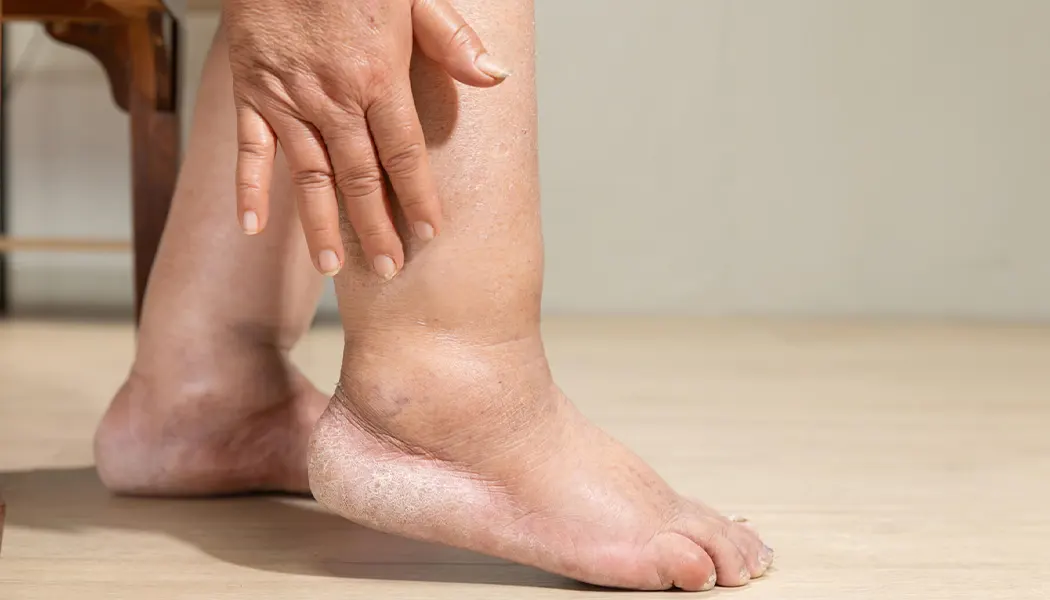
What is Peripheral Artery Disease ?
Peripheral Artery Disease (PAD) is a condition in which narrowed or blocked arteries reduce blood flow, most commonly to the legs and feet. It is usually caused by the buildup of fatty deposits, known as atherosclerosis, inside the arteries. Reduced blood flow can cause leg pain or cramping during walking or exercise, known as intermittent claudication, which often improves with rest. Some people may have no symptoms, while more severe PAD can cause pain at rest, slow-healing wounds, or changes in skin colour and temperature. At Pure Physio, physiotherapy and exercise rehabilitation focus on improving walking tolerance, leg function, physical conditioning, and safe activity levels as part of an overall medical management plan.
Peripheral Artery Disease, commonly called PAD, is a condition that affects blood flow through the arteries outside the heart and brain.
It most commonly affects the:
Legs
Feet
The arteries carry oxygen-rich blood from the heart to the body’s tissues.
In PAD, the inside of an artery becomes narrowed, usually because of:
Atherosclerosis
Atherosclerosis involves the buildup of fatty material, cholesterol, and other substances within the artery walls.
This buildup is often called plaque.
As the artery narrows:
↓
Less blood can reach the muscles and tissues.
↓
The muscles may not receive enough oxygen during increased activity.
↓
This can cause pain or cramping, particularly while walking.
A common symptom is:
Intermittent Claudication
This refers to muscle pain, cramping, or fatigue that develops during activity and improves with rest.
PAD can range from mild to severe.
In more advanced cases, blood flow may become severely reduced and lead to:
Pain at Rest
Slow-Healing Wounds
Foot or Toe Ulcers
Tissue Damage
Critical Limb Ischaemia or Chronic Limb-Threatening Ischaemia
PAD is also associated with an increased risk of cardiovascular conditions, including heart attack and stroke, making appropriate medical assessment and management important.
What Are The Symptoms Of Peripheral Artery Disease ?
Some people with PAD may have no obvious symptoms.
Leg Pain During Walking: Pain may develop in the calf, thigh, buttock, or foot during activity.
Muscle Cramping: Cramping may occur after walking a certain distance.
Intermittent Claudication: Exercise-related leg pain that typically improves with rest.
Leg Fatigue: The legs may feel unusually tired or heavy during activity.
Reduced Walking Distance: A person may need to stop and rest sooner than before.
Pain When Climbing Stairs: Increased physical demand may bring on symptoms.
Pain During Exercise: Cycling, walking, or other activities may trigger leg discomfort.
Cold Feet or Lower Legs: Reduced circulation may make one foot or leg feel cooler.
Changes in Skin Colour: The skin may appear pale, bluish, or unusually red in some situations.
Shiny Skin: Skin changes can occur with long-term reduced circulation.
Reduced Hair Growth: Hair growth on the legs may decrease.
Slow Nail Growth: Toenails may grow slowly or become brittle.
Weak or Absent Pulses: A healthcare professional may detect reduced pulses in the feet.
Slow-Healing Wounds: Cuts or sores on the feet or legs may take longer to heal.
Foot or Toe Ulcers: More severe reduced blood flow may contribute to non-healing wounds.
Pain at Rest: Severe PAD can cause persistent pain, often in the foot or toes, even without activity.
Numbness or Weakness: Some individuals may experience altered sensation or weakness, although these symptoms can also have other causes.
Tissue Colour Changes or Tissue Loss: Severe circulation problems can cause serious changes requiring urgent medical care.
A painful, cold, pale, blue, or suddenly numb limb requires urgent medical assessment.
What Are The Causes Of Peripheral Artery Disease ?
The most common cause of PAD is:
Atherosclerosis
This is the gradual buildup of plaque inside the arteries.
Factors that can increase the risk include:
Smoking or Tobacco Use: Tobacco significantly damages blood vessels and increases PAD risk.
Diabetes: High blood sugar can damage blood vessels over time.
High Blood Pressure: Persistent high blood pressure can damage artery walls.
High Cholesterol: Elevated cholesterol can contribute to plaque formation.
Older Age: The risk increases with age.
Family History: A family history of cardiovascular disease may increase risk.
Physical Inactivity: Low activity levels can contribute to overall cardiovascular risk.
Obesity: Excess body weight can increase the risk of several conditions associated with PAD.
Unhealthy Diet: Diet patterns that increase cardiovascular risk may contribute over time.
Chronic Kidney Disease: Kidney disease is associated with an increased risk of vascular disease.
Previous Heart Attack or Stroke: Existing cardiovascular disease increases the likelihood of PAD.
Less commonly, reduced blood flow can occur because of:
Blood Clots
Blood Vessel Inflammation
Arterial Injury
Other Vascular Disorders
Diagnosis Of Peripheral Artery Disease
Medical History: A healthcare professional will ask about leg pain, walking limitations, wounds, smoking history, diabetes, blood pressure, and other cardiovascular risk factors.
Physical Examination: The skin, feet, temperature, pulses, and signs of reduced circulation are assessed.
Pulse Assessment: Pulses in the legs and feet may be checked.
Ankle-Brachial Index (ABI): Blood pressure measurements from the ankle and arm are compared to help identify reduced blood flow to the legs.
Toe-Brachial Index (TBI): Toe pressure measurements may be useful in selected individuals.
Doppler Ultrasound: Ultrasound can assess blood flow and identify narrowed or blocked arteries.
Duplex Ultrasound: This combines imaging of the artery with blood-flow assessment.
CT Angiography: CT imaging with contrast can provide detailed images of blood vessels.
MR Angiography: MRI-based imaging may be used to assess arteries.
Catheter Angiography: In selected cases, a contrast dye is injected into the arteries to provide detailed vascular images.
Blood Tests: Tests may assess cholesterol, blood sugar, kidney function, and other cardiovascular risk factors.
Exercise Testing: Walking ability and the effect of exercise on symptoms may be assessed.
Early diagnosis and management are important to reduce symptoms and lower the risk of serious complications.
Treatment Of Peripheral Artery Disease
Treatment aims to reduce cardiovascular risk, improve blood flow where possible, increase walking ability, and prevent complications.
Smoking Cessation: Stopping tobacco use is one of the most important steps for people who smoke.
Structured Exercise: A medically appropriate walking or exercise programme can improve walking ability and physical function.
Medication: Doctors may prescribe medicines to manage cholesterol, blood pressure, diabetes, blood clot risk, or other associated conditions.
Diabetes Management: Careful management of blood sugar is important.
Blood Pressure Management: Appropriate treatment helps reduce cardiovascular risk.
Cholesterol Management: Medication and lifestyle measures may be recommended.
Healthy Eating: Dietary changes can support overall cardiovascular health.
Foot Care: Regular foot inspection and appropriate care are important, particularly for people with diabetes or reduced sensation.
Wound Care: Foot or leg wounds require appropriate medical assessment and treatment.
Physiotherapy and Rehabilitation: A structured programme can support walking tolerance, leg strength, balance, and overall physical conditioning.
Angioplasty: A minimally invasive procedure may be used to open narrowed arteries in selected cases.
Stent Placement: A small tube may be inserted to help keep an artery open.
Bypass Surgery: Surgery may be considered when a severely blocked artery requires an alternative route for blood flow.
Treatment should be guided by an appropriate medical and vascular team based on the severity and location of the disease.
What Is The Physiotherapy Treatment Of Peripheral Artery Disease
Detailed Functional Assessment: At Pure Physio, we assess walking tolerance, leg symptoms, strength, balance, mobility, physical activity levels, and functional limitations.
Individualised Exercise Planning: Exercise is planned according to your symptoms, medical status, walking ability, and overall cardiovascular risk.
Structured Walking Programme: A progressive walking programme may help improve walking distance and physical capacity under appropriate medical guidance.
Interval Walking Training: Walking periods may be alternated with planned recovery periods depending on symptoms and clinical recommendations.
Progressive Exercise: Activity levels are gradually progressed according to tolerance and medical advice.
Lower-Limb Strengthening: Suitable strengthening exercises may help improve leg function and everyday mobility.
Balance Training: Exercises may support stability and reduce falls risk.
Mobility Exercises: Gentle movement can help maintain joint flexibility and overall physical function.
Aerobic Conditioning: Appropriate cardiovascular exercise may be included according to individual medical suitability.
Gait Training: Rehabilitation may address walking efficiency and movement patterns.
Functional Training: Therapy focuses on practical activities such as walking outdoors, climbing stairs, standing, and other everyday movements.
Activity Pacing: We provide guidance on managing symptoms and gradually increasing physical activity.
Education: You may receive guidance about safe exercise, recognising concerning symptoms, foot protection, and the importance of following medical recommendations.
Home Exercise Programme: A personalised programme can support regular physical activity between sessions.
Progress Monitoring: Walking ability, symptoms, functional capacity, and exercise tolerance can be reviewed to adapt the rehabilitation programme.
Physiotherapy does not remove arterial blockages, but appropriately prescribed exercise can play an important role in improving walking capacity and overall physical function.
Why Choose Pure Physio?
Individualised Assessment: We assess your walking ability, symptoms, mobility, strength, balance, and functional goals.
Personalised Exercise Plans: Your programme is adapted according to your physical capacity, symptoms, medical condition, and treating doctor’s recommendations.
Focus on Walking Capacity: Rehabilitation aims to help improve confidence and tolerance for walking and everyday movement.
Safe Exercise Progression: Activity is gradually progressed according to your response and overall medical suitability.
Functional Rehabilitation: We focus on practical activities such as walking, standing, stairs, and maintaining independence.
Lower-Limb Strength and Mobility: Exercises support the physical function needed for everyday movement.
Balance and Fall Prevention: Rehabilitation may address stability and safety, particularly when mobility has been affected.
Activity and Pacing Guidance: We provide practical support for gradually increasing activity without unnecessary overexertion.
Education for Long-Term Management: Guidance can support safe exercise habits, mobility, and awareness of symptoms that require medical attention.
Integrated Care Approach: We work alongside recommendations from physicians, vascular specialists, and other healthcare professionals as part of an overall management plan.
Focus on Independence and Quality of Life: Our goal is to help you stay as mobile, active, and independent as safely possible.
Start Your Recovery Journey Today
Don’t let pain, stiffness, or reduced mobility affect your daily life. Get personalised physiotherapy care designed around your condition and recovery goals.