
Pelvic Organ Prolapse
Get a personalised pelvic health assessment and expert guidance to support your comfort, confidence, and daily activities.
Contents
Take the First Step Towards Better Movement
Our experienced physiotherapists are here to help you improve mobility, regain strength, and move with greater comfort and confidence.
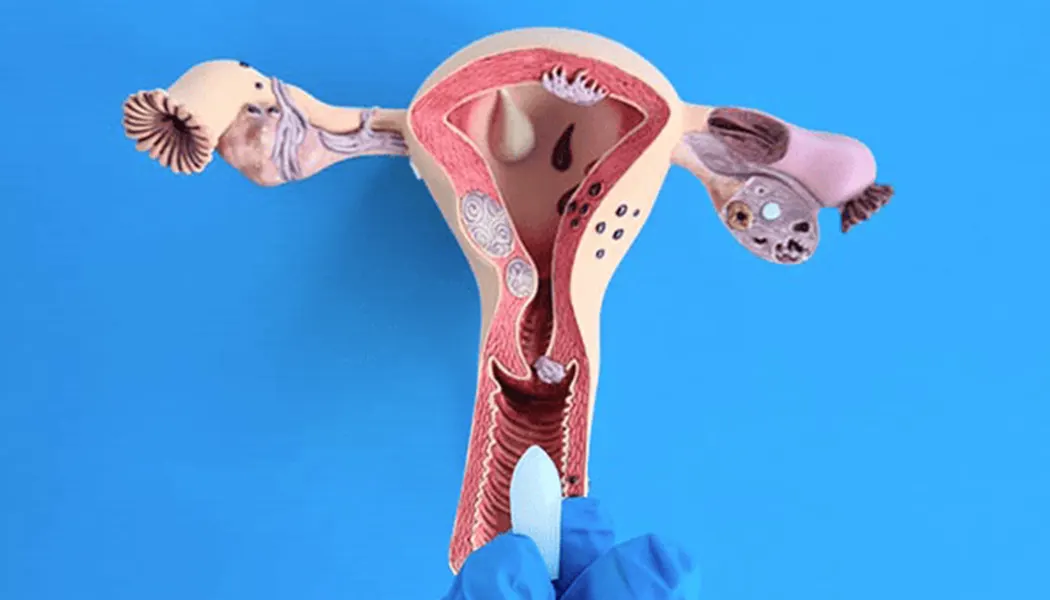
What is Pelvic Organ Prolapse?
The pelvic floor is a group of muscles, ligaments, and connective tissues located at the bottom of the pelvis. These structures help support the pelvic organs, including the:
Bladder
Uterus
Vagina
Small Bowel
Rectum
When the support provided by these structures is reduced, one or more pelvic organs may move downward. This is known as Pelvic Organ Prolapse.
The degree of prolapse can vary. In some cases, the organs move only slightly from their usual position and may cause little or no symptoms. In more significant cases, a bulge may be felt or seen at the vaginal opening.
Anterior Vaginal Wall Prolapse
This occurs when the bladder bulges toward the front wall of the vagina. It is commonly referred to as a cystocele.
Posterior Vaginal Wall Prolapse
This occurs when the rectum bulges toward the back wall of the vagina. It is commonly referred to as a rectocele.
Uterine Prolapse
This occurs when the uterus moves downward into the vaginal canal.
Vaginal Vault Prolapse
This may occur when the upper part of the vagina loses support, sometimes after a hysterectomy.
Enterocele
This occurs when the small bowel moves downward and creates a bulge in the upper part of the vagina.
Some individuals may have more than one type of prolapse at the same time.
What Are The Symptoms Of Pelvic Organ Prolapse?
Feeling of Pelvic Heaviness: A sensation of heaviness or dragging in the pelvic area.
Pelvic Pressure: You may feel pressure or fullness inside the vagina or lower pelvis.
Vaginal Bulge: A lump or bulge may be felt inside or near the vaginal opening.
Feeling That Something Is Coming Down: Some individuals describe a sensation that something is dropping or protruding.
Symptoms That Worsen with Prolonged Standing: Pelvic heaviness or pressure may become more noticeable after standing for long periods.
Symptoms During Physical Activity: Running, jumping, heavy lifting, or other activities may increase symptoms in some individuals.
Discomfort During Walking: A significant prolapse may cause discomfort during movement.
Lower Back or Pelvic Discomfort: Some people experience aching or discomfort in the pelvic or lower back region.
Urinary Leakage: Pelvic organ prolapse may occur alongside urinary incontinence.
Difficulty Emptying the Bladder: Some individuals may feel that the bladder does not empty completely.
Frequent Urination: There may be a need to urinate more frequently.
Urinary Urgency: A sudden and strong urge to urinate may occur.
Difficulty with Bowel Movements: A rectocele or other type of prolapse may contribute to difficulty emptying the bowel.
Feeling of Incomplete Bowel Emptying: Some individuals may feel they have not completely emptied their bowels.
Discomfort During Sexual Activity: Some people may experience discomfort, pressure, or changes during intercourse.
Not everyone with pelvic organ prolapse experiences symptoms, and the size or stage of the prolapse does not always match the severity of symptoms.
What Are The Causes Of Pelvic Organ Prolapse?
Pelvic organ prolapse usually develops due to a combination of factors affecting the support of the pelvic floor.
Pregnancy: Pregnancy places increased pressure on the pelvic floor and supporting tissues.
Vaginal Childbirth: Vaginal delivery can stretch or injure pelvic floor muscles, nerves, and connective tissues.
Multiple Vaginal Deliveries: Repeated childbirth may increase the likelihood of pelvic floor support changes.
Ageing: The strength and elasticity of muscles and connective tissues can change with age.
Menopause: Hormonal changes may affect the tissues supporting the pelvic organs.
Genetic Factors: Some individuals may naturally have connective tissues that are more prone to stretching or reduced support.
Chronic Constipation: Repeated straining during bowel movements can increase pressure on the pelvic floor.
Chronic Coughing: Repeated coughing may place repeated pressure on pelvic support structures.
Heavy Physical Demands: Repeated heavy lifting or activities that significantly increase pressure may contribute to symptoms in some individuals.
Obesity: Increased body weight can increase pressure on the pelvic floor.
Previous Pelvic Surgery: Certain pelvic surgeries may affect the support of pelvic organs.
Previous Prolapse: A previous prolapse can increase the likelihood of recurrent or ongoing symptoms.
In many cases, more than one factor contributes to the development of pelvic organ prolapse.
Diagnosis Of Pelvic Organ Prolapse
Medical History: A healthcare professional will ask about symptoms such as pelvic heaviness, pressure, vaginal bulging, urinary problems, bowel changes, childbirth history, medical history, and previous surgeries.
Pelvic Examination: A qualified healthcare professional may perform a pelvic examination to assess pelvic organ support, with your informed consent.
Assessment of Pelvic Floor Function: A pelvic health physiotherapist or other qualified professional may assess pelvic floor muscle strength, endurance, coordination, and relaxation.
Prolapse Staging: A specialist may use a recognised assessment system to describe the location and degree of prolapse.
Bladder Assessment: Further assessment may be required if there are symptoms of urinary leakage, incomplete emptying, or other bladder concerns.
Bowel Assessment: Bowel habits and symptoms may be reviewed when constipation, straining, or incomplete emptying are present.
Post-Void Residual Testing: The amount of urine remaining after bladder emptying may be measured in selected cases.
Imaging: Imaging is not always necessary but may be recommended when further assessment is required.
Specialist Referral: Gynaecology, urogynecology, urology, or colorectal assessment may be recommended depending on the type of prolapse and associated symptoms.
Treatment Of Pelvic Organ Prolapse
Treatment depends on the type and degree of prolapse, symptoms, age, general health, and individual goals.
Observation: If symptoms are mild or absent, regular monitoring may be appropriate.
Pelvic Floor Physiotherapy: Guided pelvic floor rehabilitation may help suitable individuals improve muscle strength, endurance, coordination, and support.
Pelvic Floor Muscle Training: A structured programme may help improve the function of the muscles supporting the pelvic organs.
Lifestyle Modifications: Managing contributing factors such as chronic constipation, repeated straining, and excessive pressure may help reduce symptoms.
Constipation Management: Improving bowel habits and reducing unnecessary straining can support pelvic floor health.
Weight Management: Where appropriate, weight management may help reduce pressure on the pelvic floor.
Activity Modification: Temporary or long-term adjustments to activities that significantly worsen symptoms may be recommended.
Pessary: A doctor or qualified healthcare professional may fit a vaginal pessary to provide support for the pelvic organs.
Medical Management: Other treatments may be recommended based on associated symptoms and individual needs.
Surgical Treatment: Surgery may be considered when prolapse symptoms are significant and conservative treatment does not provide adequate relief.
Post-Surgical Rehabilitation: Physiotherapy may support recovery of pelvic floor function, mobility, strength, and return to activity after surgery.
What Is The Physiotherapy Treatment Of Pelvic Organ Prolapse
Detailed Pelvic Health Assessment: At Pure Physio, treatment begins by understanding your symptoms, daily activities, exercise habits, bowel and bladder concerns, childbirth and medical history where relevant, and personal goals.
Pelvic Floor Muscle Assessment: With informed consent and where clinically appropriate, a qualified pelvic health physiotherapist may assess pelvic floor muscle strength, endurance, coordination, and relaxation.
Pelvic Floor Muscle Training: A personalised exercise programme may help improve the strength, endurance, and coordination of the pelvic floor muscles.
Learning Correct Muscle Activation: Treatment focuses on helping you identify and correctly contract and relax the pelvic floor muscles.
Breathing and Pressure Management: Guidance may help coordinate breathing, the abdominal muscles, and the pelvic floor during everyday movements and exercise.
Functional Movement Training: Exercises and strategies may be adapted for activities such as lifting, squatting, getting up from a chair, walking, running, or other individual physical demands.
Core and Trunk Rehabilitation: Appropriate exercises may support overall trunk and pelvic function while considering pressure management.
Bowel Habit Education: Guidance may be provided on positioning and habits that can help reduce unnecessary straining during bowel movements.
Activity Modification: Your physiotherapist may help identify activities that repeatedly worsen symptoms and guide appropriate modifications.
Exercise Progression: Strength and fitness programmes can be progressively adapted according to symptoms, physical capacity, and individual goals.
Return to Exercise Guidance: Suitable individuals may receive guidance on gradually returning to gym training, running, sports, and other physical activities.
Home Exercise Programme: A personalised programme may be provided to support ongoing pelvic floor training and long-term self-management.
Why Choose Pure Physio?
Specialised Pelvic Health Approach: We provide personalised rehabilitation focused on pelvic floor function, movement, and the impact of prolapse on everyday life.
Confidential and Respectful Care: We understand that pelvic health symptoms can feel personal, and we aim to provide a professional, supportive, and comfortable environment.
Detailed Individual Assessment: We assess your symptoms, pelvic floor function where appropriate, activity demands, bowel and bladder concerns, and personal goals.
Personalised Treatment Plans: Your rehabilitation programme is tailored to your specific symptoms, physical capacity, lifestyle, and type of activities you want to return to.
Focus on Function and Quality of Life: Our approach aims to support confidence with daily activities such as walking, working, exercising, lifting, and participating in social activities.
Evidence-Based Pelvic Floor Rehabilitation: Treatment may include appropriate pelvic floor muscle training, pressure management, functional movement strategies, and education.
Practical Everyday Guidance: We provide strategies that can be integrated into work, exercise, household activities, and daily routines.
Integrated Care Approach: Where pessary management, gynaecology, urogynecology, surgery, or other medical care is required, physiotherapy can form part of a coordinated treatment plan focused on your individual needs and long-term pelvic health.
Start Your Recovery Journey Today
Don’t let pain, stiffness, or reduced mobility affect your daily life. Get personalised physiotherapy care designed around your condition and recovery goals.