
Patellar Tendonitis
Reduce knee pain, rebuild tendon strength, and return to confident movement with personalised physiotherapy for Patellar Tendonitis.
Contents
Take the First Step Towards Better Movement
Our experienced physiotherapists are here to help you improve mobility, regain strength, and move with greater comfort and confidence.
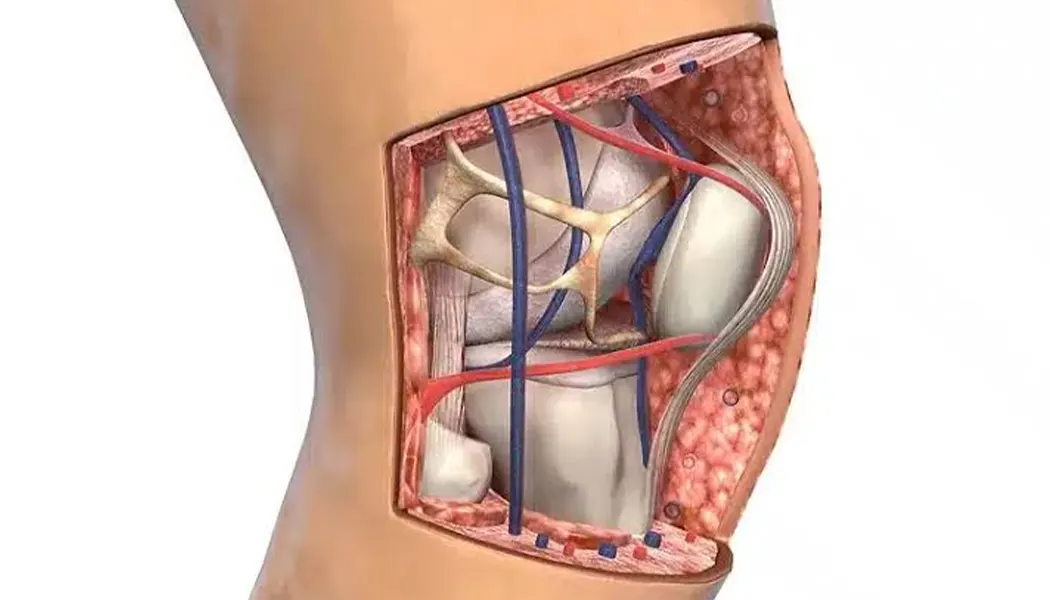
What is Patellar Tendonitis?
Patellar Tendonitis affects the patellar tendon, a strong band of tissue that connects the bottom of the kneecap to the top of the shin bone.
The patellar tendon works with the quadriceps muscles at the front of the thigh to help straighten the knee. It is heavily loaded during activities such as:
Jumping
Landing
Running
Sprinting
Squatting
Climbing Stairs
The term Patellar Tendonitis is commonly used, but not all persistent tendon pain is caused by active inflammation. Long-standing symptoms are often described as Patellar Tendinopathy, which involves changes in the tendon and its ability to tolerate load.
This condition is sometimes called Jumper’s Knee because it commonly affects people involved in sports with frequent jumping, such as basketball, volleyball, and athletics.
Patellar tendon pain can range from mild discomfort during activity to persistent symptoms that significantly affect sport and daily movement.
What Are The Symptoms Of Patellar Tendonitis?
Common Symptoms
Pain Below the Kneecap: Pain is commonly felt at the lower edge of the patella where the tendon attaches.
Tenderness: The patellar tendon may be painful when touched.
Pain During Jumping: Jumping and repeated jumping activities may aggravate symptoms.
Pain During Landing: The tendon may become painful when absorbing force during landing.
Pain with Running: Running or sprinting may increase discomfort.
Pain During Squatting: Bending and loading the knee can aggravate symptoms.
Pain with Stairs: Climbing or descending stairs may become uncomfortable.
Other Possible Symptoms
Pain at the Start of Activity: Some people experience pain when beginning exercise.
Pain After Activity: Symptoms may increase after repeated loading.
Morning Stiffness: The tendon and knee may feel stiff after rest.
Reduced Sporting Performance: Pain may affect jumping height, sprinting, and other activities.
Muscle Weakness: Pain and reduced activity can contribute to weakness in the quadriceps and other lower-limb muscles.
Reduced Confidence in the Knee: Fear of pain may affect movement and sporting performance.
Pain During Prolonged Sitting: Some people may notice discomfort when the knee remains bent for a long time.
Symptoms can vary depending on the severity and duration of the condition.
What Are The Causes Of Patellar Tendonitis?
Patellar tendon pain commonly develops when the load placed on the tendon exceeds its current capacity to tolerate that load.
Repeated Jumping: Frequent jumping places high forces through the patellar tendon.
Sudden Increase in Training: Rapidly increasing the intensity, frequency, or duration of activity can overload the tendon.
Repeated Sprinting: High-force running activities can increase tendon loading.
Frequent Changes of Direction: Repeated stopping and starting can increase stress on the knee.
High Training Volume: Insufficient recovery between demanding training sessions may contribute to symptoms.
Poor Load Management: Continuing high levels of activity despite persistent symptoms can contribute to ongoing tendon problems.
Quadriceps Weakness: Reduced strength may affect how force is managed through the knee.
Hip and Gluteal Weakness: Reduced lower-limb strength and control may influence movement and tendon loading.
Reduced Ankle Mobility: Limited movement at the ankle may alter lower-limb movement patterns.
Poor Landing Mechanics: Reduced control during jumping and landing can increase tendon stress.
Training Surface Changes: Sudden changes in playing or training surfaces may affect tendon loading.
Previous Knee Injury: Previous injury may contribute to weakness or altered movement.
Diagnosis Of Patellar Tendonitis
Medical History: A healthcare professional will ask about your symptoms, training routine, sporting activities, previous injuries, and changes in activity levels.
Physical Examination: The knee and patellar tendon are assessed for tenderness, pain, movement, and strength.
Pain Location Assessment: Symptoms around the lower pole of the kneecap and patellar tendon are evaluated.
Knee Range of Motion Assessment: Knee bending and straightening are assessed.
Strength Testing: The quadriceps, hips, gluteals, calves, and other supporting muscles may be evaluated.
Functional Assessment: Squatting, stepping, jumping, landing, and running-related movements may be assessed when appropriate.
Tendon Load Testing: Specific activities may be used to assess how the tendon responds to loading.
Ultrasound: Ultrasound can assess the structure and thickness of the tendon in selected cases.
MRI Scan: MRI may be used when the diagnosis is unclear or another knee condition is suspected.
Imaging findings do not always directly match symptoms, so diagnosis is based on the overall clinical assessment.
Treatment Of Patellar Tendonitis
Treatment usually focuses on improving the tendon’s ability to tolerate load while gradually returning to normal activity.
Load Management: Temporarily reducing or modifying activities that significantly aggravate symptoms can help manage tendon irritation.
Activity Modification: High-impact activities may be adjusted while maintaining appropriate levels of physical activity.
Pain Management: Appropriate medication may be recommended by a healthcare professional when required.
Physiotherapy: A structured rehabilitation programme can progressively improve tendon capacity, muscle strength, and movement control.
Progressive Strengthening: Gradually increasing resistance helps improve the capacity of the patellar tendon and surrounding muscles.
Isometric Exercises: In some cases, static muscle contractions may be used as part of symptom management and early rehabilitation.
Progressive Resistance Training: Exercises may progress from controlled strengthening towards heavier and more functional loading.
Movement Retraining: Improving squatting, landing, and lower-limb control may help manage tendon loading.
Gradual Return to Sport: Running, jumping, and sport-specific activities are progressively reintroduced according to symptoms and functional capacity.
Addressing Training Errors: Adjusting sudden increases in training volume or intensity can help reduce repeated overload.
Injection or Other Medical Treatment: In selected cases, a healthcare professional may discuss additional treatment options depending on the diagnosis and duration of symptoms.
Surgery: Surgery is uncommon and generally considered only when significant symptoms persist despite an appropriate period of comprehensive non-surgical treatment.
What Is The Physiotherapy Treatment Of Patellar Tendonitis
Detailed Assessment: At Pure Physio, we assess pain, tendon sensitivity, knee movement, quadriceps strength, hip and ankle function, activity demands, and functional limitations.
Individualised Rehabilitation Programme: Your treatment is tailored according to your symptoms, tendon load tolerance, training demands, lifestyle, and recovery goals.
Pain Management Strategies: Appropriate techniques and exercise selection may help manage symptoms during rehabilitation.
Load Management Guidance: We help adjust activities so the tendon is challenged appropriately without unnecessary overload.
Isometric Exercises: Controlled static exercises may be introduced when appropriate as part of an early rehabilitation programme.
Quadriceps Strengthening: Progressive exercises rebuild strength in the muscles that work closely with the patellar tendon.
Progressive Tendon Loading: Exercises are gradually progressed to improve the tendon’s capacity to tolerate increasing levels of force.
Heavy Strength Training: When appropriate, resistance exercises may be progressed to improve lower-limb strength and tendon capacity.
Hip and Gluteal Strengthening: Targeted exercises improve lower-limb strength and movement control.
Calf Strengthening: Exercises help improve lower-limb force production and support running and jumping activities.
Core Strengthening: Exercises can support improved trunk and pelvic control during dynamic movement.
Ankle Mobility Exercises: Improving ankle movement may support more efficient lower-limb mechanics.
Balance and Proprioception Training: Exercises improve control and confidence during standing and dynamic activities.
Movement Retraining: We assess and improve movement patterns during squatting, stepping, running, jumping, and landing.
Functional Strength Training: Rehabilitation progresses towards exercises that reflect the demands of your daily activities or sport.
Running Rehabilitation: A gradual running programme may be introduced according to symptoms and functional capacity.
Jump and Landing Training: Exercises progress toward controlled jumping and landing when the tendon is ready for higher loads.
Sport-Specific Rehabilitation: Your programme can be tailored to the movements and physical demands of your specific sport.
Gradual Return to Sport: Training intensity, volume, jumping, sprinting, and competition are progressively increased according to your recovery.
Home Exercise Programme: A personalised programme supports consistent tendon loading and strengthening between appointments.
Progress Monitoring: Your rehabilitation is regularly reviewed and progressed according to symptoms, strength, tendon load tolerance, movement control, and functional improvement.
Why Choose Pure Physio?
Comprehensive Knee and Tendon Assessment: We assess pain, tendon sensitivity, movement, strength, lower-limb control, activity demands, and functional limitations.
Personalised Rehabilitation Plans: Your programme is tailored according to your symptoms, activity level, sport, tendon capacity, and personal goals.
Focus on Tendon Load Management: Rehabilitation helps balance activity with progressive loading to support recovery.
Progressive Tendon Strengthening: Carefully planned exercises help improve the tendon’s ability to tolerate increasing levels of force.
Rebuild Quadriceps Strength: Progressive strengthening supports knee function and tendon capacity.
Improve Lower-Limb Strength: Rehabilitation targets the hips, gluteals, quadriceps, calves, and other muscles involved in movement.
Movement Retraining: We assess and improve movement patterns during squatting, running, jumping, and landing.
Balance and Control Training: Targeted exercises help improve lower-limb stability and movement confidence.
Functional Recovery Focus: Therapy targets meaningful activities such as walking, climbing stairs, squatting, running, and exercising.
Safe Return to Running and Sport: Rehabilitation progresses toward the specific loading demands of running, jumping, sprinting, and your chosen sport.
Gradual Activity Progression: Your programme is adjusted according to symptoms, strength, tendon load tolerance, and functional progress.
Address Training and Load Factors: We provide practical guidance to help manage training volume, intensity, and recovery.
Home Exercise Guidance: You receive a personalised programme to support consistent progress outside your appointments.
Regular Progress Monitoring: Your rehabilitation is reviewed and adapted according to changes in pain, strength, movement, tendon tolerance, and function.
Integrated Care Approach: We work alongside doctors, orthopaedic specialists, sports medicine professionals, and other healthcare providers when required.
Focused on Long-Term Recovery: Our goal is to reduce pain, improve tendon load tolerance, rebuild strength, restore confidence, and help you safely return to the activities and sport that matter most.
Start Your Recovery Journey Today
Don’t let pain, stiffness, or reduced mobility affect your daily life. Get personalised physiotherapy care designed around your condition and recovery goals.