
Patella Dislocation
Restore knee stability, rebuild strength, and return to confident movement with personalised physiotherapy for Patella Dislocation.
Contents
Take the First Step Towards Better Movement
Our experienced physiotherapists are here to help you improve mobility, regain strength, and move with greater comfort and confidence.
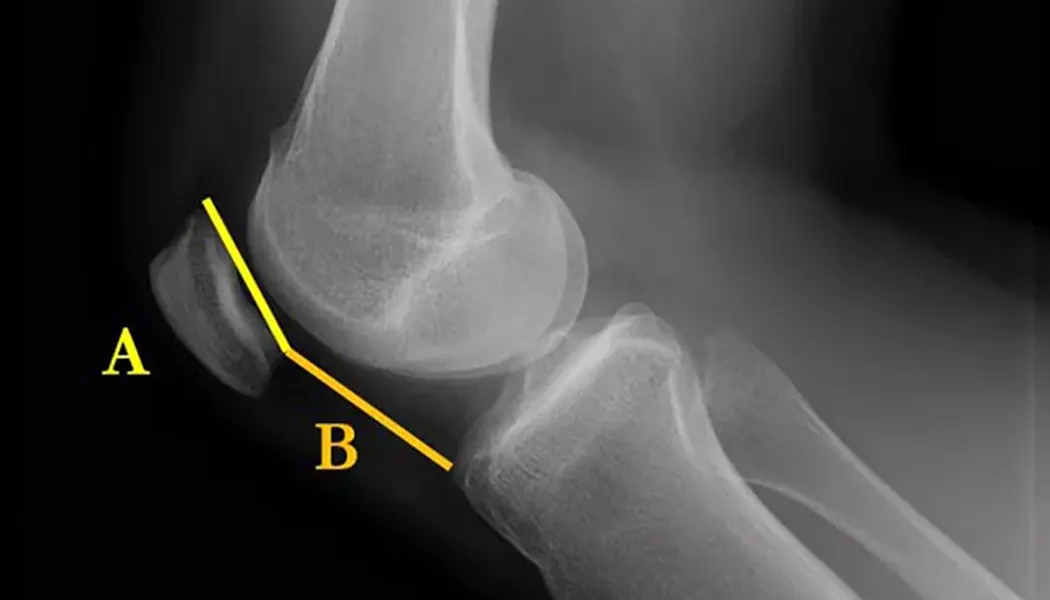
What is Patella Dislocation?
A Patella Dislocation happens when the patella, commonly known as the kneecap, moves completely out of its normal position within the trochlear groove of the femur (thigh bone).
Normally, the patella glides up and down within this groove when the knee bends and straightens. It is supported by surrounding muscles, tendons, ligaments, and the shape of the knee joint.
In most cases, the kneecap dislocates towards the outer side of the knee, known as a lateral patellar dislocation.
During a dislocation, the structures that help stabilise the kneecap can become stretched or injured. This may include the medial patellofemoral ligament (MPFL) and other soft tissues around the knee.
A patella dislocation may return to its normal position by itself, known as a spontaneous reduction, or it may require medical assistance to reposition it.
Because a dislocation can be associated with cartilage, bone, or ligament injuries, proper medical assessment is important, particularly after a first-time dislocation.
What Are The Symptoms Of Patella Dislocation?
Common Symptoms
Sudden Severe Knee Pain: Pain usually begins immediately when the kneecap moves out of position.
Visible Knee Deformity: The kneecap may appear out of place, commonly towards the outer side of the knee.
Rapid Swelling: The knee may swell soon after the injury.
Difficulty Moving the Knee: Bending or straightening the knee may be difficult and painful.
Inability to Walk Normally: Standing or bearing weight through the affected leg may be difficult.
Feeling That the Kneecap Has Moved Out of Place: Some people clearly feel the kneecap shift during the injury.
Other Possible Symptoms
Tenderness Around the Kneecap: The tissues around the patella may be painful to touch.
Bruising: Bruising may develop around the knee.
Knee Instability: The knee may feel unstable after the dislocation.
Feeling of Giving Way: The knee may feel as though it could buckle or collapse.
Apprehension with Movement: Fear or discomfort may occur when the knee is moved into positions associated with the previous dislocation.
Reduced Knee Movement: Pain and swelling may cause stiffness.
Muscle Weakness: The quadriceps muscles may weaken following the injury.
Recurrent Dislocation: Some people experience repeated episodes of the kneecap moving partially or completely out of position.
If the kneecap remains visibly out of position after an injury, urgent medical attention is required. It should not be forcefully pushed back without appropriate medical guidance.
What Are The Causes Of Patella Dislocation?
Twisting Injury: Rotating the body while the foot is planted can cause the kneecap to dislocate.
Sudden Change of Direction: Rapid cutting or turning movements during sport can place stress on the knee.
Direct Impact: A blow to the inner side of the kneecap may force it towards the outside.
Sports Injuries: Activities involving jumping, pivoting, running, and sudden direction changes may increase the risk.
Previous Patella Dislocation: A history of dislocation can increase the risk of recurrence.
Ligament Laxity: Increased looseness of supporting ligaments may contribute to instability in some individuals.
Muscle Weakness: Reduced strength or control around the hip and knee may affect patellar stability.
Anatomical Factors: The shape of the trochlear groove, patella position, limb alignment, and other structural factors may contribute to instability.
Poor Movement Control: Reduced control during landing, squatting, or direction changes may increase stress on the knee.
Diagnosis Of Patella Dislocation
Medical History: A healthcare professional will ask how the injury occurred, whether the kneecap moved out of place, and whether it returned on its own.
Physical Examination: The knee is assessed for swelling, tenderness, movement, stability, and signs of associated injury.
Patellar Position Assessment: The position and movement of the kneecap are evaluated.
Patellar Stability Testing: Specific assessments may be used to evaluate instability and apprehension.
Knee Movement Assessment: The ability to bend and straighten the knee is assessed.
Strength Testing: Quadriceps, hip, and other lower-limb muscles may be evaluated.
X-Rays: X-rays may be used to assess bone alignment and identify associated fractures or bone injuries.
MRI Scan: MRI may be used to assess the MPFL, cartilage, bone bruising, and other soft-tissue injuries.
CT Scan: CT may provide detailed information about bone alignment and anatomical factors in selected cases.
Proper assessment is particularly important after a first-time dislocation or when recurrent instability occurs.
Treatment Of Patella Dislocation
Treatment depends on whether the dislocation is a first-time or recurrent event, whether associated injuries are present, and individual anatomical and activity factors.
Urgent Medical Assessment: A suspected dislocation should be assessed promptly, particularly if the kneecap remains out of position.
Reduction: A healthcare professional may need to carefully return the kneecap to its normal position.
Pain Management: Appropriate medication may be used to manage pain.
Bracing or Support: A knee brace or other support may be recommended for a period following the injury.
Controlled Rest: Activity may be temporarily reduced while the injured tissues recover.
Early Appropriate Movement: Controlled movement may be introduced when medically appropriate to reduce stiffness.
Physiotherapy Rehabilitation: Rehabilitation helps restore knee movement, rebuild muscle strength, improve stability, and improve confidence with movement.
Progressive Strengthening: Exercises help strengthen the quadriceps, hips, and other muscles supporting the knee.
Balance and Movement Training: Rehabilitation can improve lower-limb control during standing, walking, landing, and direction changes.
Surgery: Surgery may be considered for selected individuals with recurrent instability, significant associated injuries, or specific structural factors.
Post-Operative Rehabilitation: Structured physiotherapy is important following surgical stabilisation.
What Is The Physiotherapy Treatment Of Patella Dislocation
Detailed Assessment: At Pure Physio, we assess pain, swelling, knee movement, patellar stability, quadriceps strength, hip strength, walking patterns, balance, and functional limitations.
Individualised Rehabilitation Programme: Your treatment is tailored according to whether the injury is a first-time or recurrent dislocation, associated injuries, treatment received, activity demands, and personal recovery goals.
Pain and Swelling Management: Appropriate strategies may help manage discomfort and swelling during the early stages of recovery.
Knee Mobility Exercises: Carefully selected exercises help restore comfortable knee bending and straightening.
Quadriceps Activation: Early rehabilitation may focus on restoring proper activation of the quadriceps muscles.
Quadriceps Strengthening: Progressive exercises rebuild the strength needed to support knee movement and stability.
Hip and Gluteal Strengthening: Targeted exercises improve the strength and control of the muscles supporting lower-limb alignment.
Core Strengthening: Exercises can support improved trunk and pelvic control during movement.
Patellar Control Exercises: Carefully selected exercises help improve muscle control around the knee.
Balance and Proprioception Training: Exercises improve awareness, stability, and confidence during standing and movement.
Walking Rehabilitation: Therapy helps restore a safe and comfortable walking pattern.
Movement Retraining: We help improve movement control during squatting, stepping, bending, jumping, and other functional activities.
Functional Strength Training: Rehabilitation progresses towards movements such as sit-to-stand, step-ups, controlled squats, and other activities relevant to your goals.
Landing and Direction-Change Training: For active individuals, exercises may progress towards safe jumping, landing, pivoting, and changing direction.
Sport-Specific Rehabilitation: Your programme can be tailored to the strength, stability, and movement demands of your sport.
Gradual Return to Activity: Everyday activities, exercise, and sport are progressively increased according to symptoms, strength, stability, and functional recovery.
Post-Operative Rehabilitation: If surgery is performed, your physiotherapy programme follows the surgeon’s recommendations and appropriate healing timelines.
Home Exercise Programme: A personalised programme supports continued strengthening and recovery between appointments.
Progress Monitoring: Your rehabilitation is regularly reviewed and progressed according to pain, swelling, movement, strength, stability, and functional improvement.
Why Choose Pure Physio?
Comprehensive Knee Assessment: We assess knee movement, patellar stability, pain, swelling, muscle strength, balance, walking ability, and functional limitations.
Personalised Rehabilitation Plans: Your programme is tailored according to your injury history, symptoms, associated injuries, activity demands, and recovery goals.
Focus on Knee Stability: Rehabilitation helps improve muscle strength, movement control, and confidence around the knee.
Restore Knee Movement: Carefully selected exercises help reduce stiffness and restore comfortable bending and straightening.
Rebuild Quadriceps Strength: Progressive strengthening helps restore the muscles that support the kneecap and knee joint.
Improve Hip and Lower-Limb Control: Targeted exercises help improve movement control during everyday and sporting activities.
Balance and Proprioception Training: Rehabilitation improves stability and confidence during standing, walking, and dynamic movement.
Movement Retraining: We address movement patterns during squatting, stepping, landing, and direction changes.
Functional Recovery Focus: Therapy targets meaningful activities such as walking, climbing stairs, sitting, standing, bending, and exercising.
Safe Return to Sport: Sport-specific rehabilitation helps prepare you for running, jumping, pivoting, and other demanding movements.
Safe Activity Progression: Your programme is adjusted according to symptoms, strength, knee stability, and functional progress.
Post-Surgical Rehabilitation: Structured physiotherapy supports recovery following patellar stabilisation surgery when required.
Home Exercise Guidance: You receive a personalised programme to support consistent progress outside your appointments.
Regular Progress Monitoring: Your rehabilitation is reviewed and adapted according to changes in pain, swelling, movement, strength, stability, and function.
Integrated Care Approach: We work alongside orthopaedic specialists, sports medicine professionals, doctors, and other healthcare providers when required.
Focused on Long-Term Knee Stability: Our goal is to restore comfortable movement, rebuild strength, improve knee stability and confidence, and help you safely return to the activities that matter most.
Start Your Recovery Journey Today
Don’t let pain, stiffness, or reduced mobility affect your daily life. Get personalised physiotherapy care designed around your condition and recovery goals.