
Parkinson’s Disease
Improve mobility, balance, movement confidence, and everyday independence with personalised physiotherapy for Parkinson's disease.
Contents
Take the First Step Towards Better Movement
Our experienced physiotherapists are here to help you improve mobility, regain strength, and move with greater comfort and confidence.
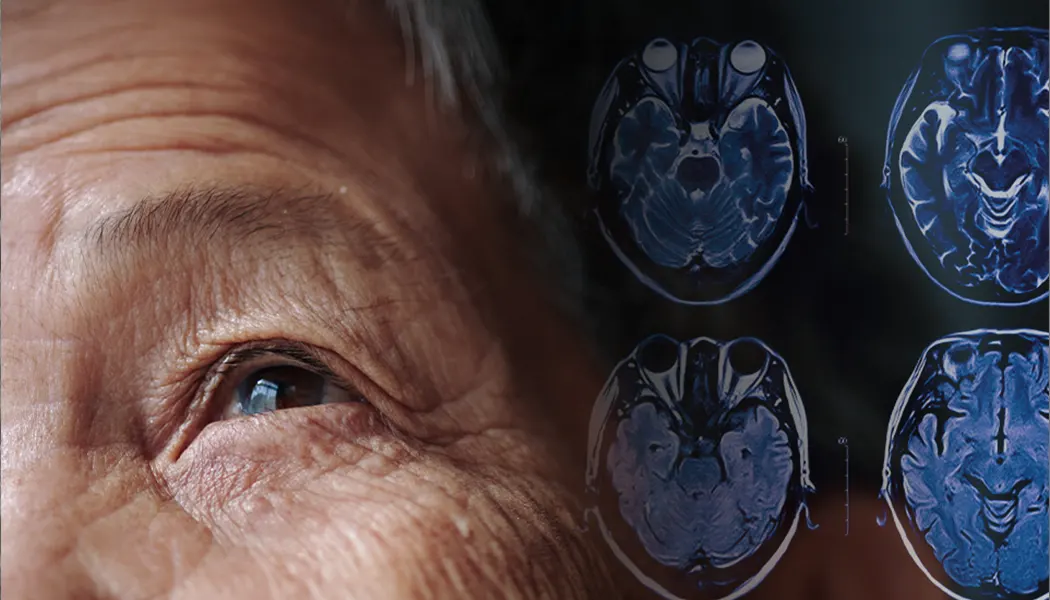
What is Parkinson’s Disease?
Parkinson’s Disease is a progressive neurological condition that mainly affects movement. It occurs when certain nerve cells in the brain that produce dopamine, a chemical involved in controlling movement, become impaired or lost. Common symptoms include tremor, muscle stiffness, slowed movement, changes in walking and balance, and difficulty performing everyday activities. Symptoms and their progression vary from person to person. At Pure Physio, physiotherapy focuses on maintaining mobility, improving strength and posture, enhancing balance and walking, supporting safer movement, and helping individuals remain as active and independent as possible.
Parkinson’s Disease is a:
Progressive Neurological Condition
It primarily affects areas of the brain involved in controlling:
Movement
Coordination
Automatic Movements
Balance
A key feature of Parkinson’s disease is the gradual loss or dysfunction of nerve cells that produce:
Dopamine
Dopamine is a chemical messenger that plays an important role in smooth and coordinated movement.
As dopamine levels are affected, a person may develop movement-related symptoms.
The main motor symptoms often include:
Tremor
Bradykinesia
or
Slowness of Movement
Rigidity
or
Muscle Stiffness
Postural Instability
or
Difficulty Maintaining Balance
Parkinson’s disease can also cause non-movement symptoms involving:
Sleep
Mood
Thinking
Fatigue
Autonomic Function
The symptoms and rate of progression vary considerably between individuals.
What Are The Symptoms Of Parkinson’s Disease?
Movement-Related Symptoms
Tremor: Shaking may occur, often beginning in one hand or limb and commonly occurring at rest.
Bradykinesia: Movements may become slower and more difficult to initiate.
Muscle Rigidity: Muscles may feel stiff and movement may become restricted.
Reduced Arm Swing: One or both arms may swing less while walking.
Changes in Walking: Steps may become shorter, slower, or shuffling.
Difficulty Turning: Turning while walking may require multiple small steps.
Freezing of Gait: A person may temporarily feel unable to move their feet, particularly when starting to walk, turning, or approaching narrow spaces.
Balance Difficulties: Maintaining stability while standing or walking may become challenging.
Postural Changes: A person may develop a more stooped posture.
Difficulty with Fine Movements: Tasks such as buttoning clothes or writing may become harder.
Smaller Handwriting: Handwriting may become unusually small, known as micrographia.
Reduced Facial Expression: Facial movements may become less expressive.
Soft Speech: The voice may become quieter or less clear.
Other Possible Symptoms
Fatigue: Persistent tiredness can occur.
Sleep Problems: Difficulty sleeping or other sleep disturbances may develop.
Constipation: Digestive changes can occur.
Changes in Mood: Depression, anxiety, or other emotional changes may occur.
Cognitive Changes: Some individuals may experience difficulties with thinking or memory.
Dizziness on Standing: Blood pressure changes may cause light-headedness in some people.
Loss of Smell: Reduced sense of smell can occur.
Not everyone with Parkinson’s disease experiences all of these symptoms.
What Are The Causes Of Parkinson’s Disease?
The exact cause of Parkinson’s disease is not fully understood.
It is believed to involve a combination of factors.
Loss of Dopamine-Producing Cells: The main underlying change involves progressive impairment or loss of specific nerve cells in the brain.
Abnormal Protein Changes: Certain abnormal protein deposits, including alpha-synuclein, are associated with Parkinson’s disease.
Age: The risk generally increases with age.
Genetic Factors: Certain genetic changes can increase the risk in some individuals.
Family History: A family history may increase the likelihood in some cases.
Environmental Factors: Certain environmental exposures may contribute to risk, although the exact relationship is complex and not fully understood.
In most cases, Parkinson’s disease does not have one single identifiable cause.
Diagnosis Of Parkinson’s Disease
There is no single test that confirms Parkinson’s disease in every individual.
Diagnosis is usually based on:
Medical History
Symptoms
Neurological Examination
A healthcare professional may assess:
Tremor
Slowness of Movement
Muscle Stiffness
Walking Pattern
Balance
Coordination
Response to Medication
Additional tests may be used to rule out other conditions.
Blood Tests: May help exclude certain other medical causes of symptoms.
MRI or CT Scan: May be used to investigate other possible neurological conditions.
Specialist Assessment: A neurologist or movement-disorder specialist may assess and monitor the condition.
Dopamine Transporter Imaging: In selected cases, specialised imaging may help support the diagnosis.
Diagnosis should be made by an appropriately qualified medical professional.
Treatment Of Parkinson’s Disease
There is currently no cure that stops or reverses Parkinson’s disease completely.
Treatment aims to:
Manage Symptoms
Maintain Function
Support Independence
Treatment may include:
Medication: Medicines that improve or support dopamine activity may help manage movement symptoms.
Physiotherapy: Helps maintain mobility, strength, posture, balance, and walking ability.
Occupational Therapy: Can help with daily activities and independence.
Speech and Language Therapy: May support communication and swallowing difficulties.
Regular Exercise: Appropriate physical activity can support strength, mobility, fitness, and overall wellbeing.
Psychological Support: Mental health support may be beneficial for emotional symptoms.
Nutrition and Lifestyle Support: Healthcare professionals may provide guidance based on individual needs.
Deep Brain Stimulation (DBS): This surgical treatment may be considered for selected individuals with specific symptoms.
Multidisciplinary Care: Management often involves several healthcare professionals working together.
Treatment plans should be regularly reviewed because symptoms and individual needs can change over time.
What Is The Physiotherapy Treatment Of Parkinson’s Disease
Detailed Assessment: At Pure Physio, we assess your mobility, walking pattern, posture, muscle strength, joint movement, balance, transfers, daily activities, and individual goals.
Mobility Exercises: Regular movement activities help maintain flexibility and functional mobility.
Postural Training: Exercises focus on improving awareness and control of upright posture.
Stretching and Range of Motion Exercises: Selected exercises may help manage the effects of muscle stiffness.
Strengthening Exercises: Progressive strengthening supports walking, transfers, and daily physical activities.
Balance Training: Exercises help improve stability during standing and movement.
Gait Training: Rehabilitation addresses step length, walking speed, turning, and overall walking confidence.
Amplitude-Based Movement Training: Large and purposeful movements may help address reduced movement size.
Cueing Strategies: Visual, verbal, auditory, or rhythmic cues may help with movement initiation and walking in selected individuals.
Freezing Management Strategies: Specific strategies may be practised to help manage freezing episodes.
Turning Practice: Exercises can improve control and confidence during turning.
Sit-to-Stand Training: Functional exercises support safe transitions from sitting to standing.
Transfer Training: Therapy may address getting in and out of bed, chairs, or other daily positions.
Dual-Task Training: Suitable exercises may help practise maintaining movement while managing another task.
Aerobic Exercise: Appropriate cardiovascular activity may support endurance and overall fitness.
Functional Activity Practice: Therapy focuses on movements required for everyday independence.
Fall Prevention Training: Balance, strength, and practical safety strategies can help reduce fall risk.
Home Exercise Programme: A personalised programme supports regular activity between sessions.
Caregiver Education: Guidance may be provided to family members and caregivers when appropriate.
Regular Progress Monitoring: Your programme is reviewed and adjusted according to symptoms, functional ability, and personal goals.
Why Choose Pure Physio?
Detailed Individual Assessment: We assess your movement, walking, balance, posture, strength, and functional challenges.
Personalised Rehabilitation Plans: Your physiotherapy programme is adapted to your symptoms, abilities, lifestyle, and goals.
Focus on Functional Movement: Therapy targets meaningful activities such as walking, turning, standing, transfers, and daily tasks.
Balance and Fall Prevention: Rehabilitation focuses on improving stability and confidence during movement.
Walking and Mobility Support: We address gait changes, reduced step length, turning difficulties, and other mobility challenges.
Strategies for Freezing and Movement Initiation: Where appropriate, we teach practical techniques that may help manage specific movement difficulties.
Strength and Flexibility Training: Exercises help support physical function and mobility.
Posture-Focused Rehabilitation: Therapy addresses postural awareness and movement control.
Safe Exercise Progression: Physical activity is adapted according to individual ability and response.
Support for Long-Term Management: Physiotherapy programmes can be reviewed and adjusted as needs change.
Family and Caregiver Guidance: We can provide practical support to help family members and caregivers assist with safe mobility and exercises.
Multidisciplinary Care Approach: We can work alongside neurologists, physicians, occupational therapists, speech therapists, and other healthcare professionals when required.
Focused on Independence and Quality of Life: Our goal is to help you maintain mobility, confidence, physical function, and participation in the activities that matter most to you.
Start Your Recovery Journey Today
Don’t let pain, stiffness, or reduced mobility affect your daily life. Get personalised physiotherapy care designed around your condition and recovery goals.