
Osteoporosis
Build strength, improve balance, and protect your bone health with personalised physiotherapy for osteoporosis.
Contents
Take the First Step Towards Better Movement
Our experienced physiotherapists are here to help you improve mobility, regain strength, and move with greater comfort and confidence.
What is Osteoporosis?
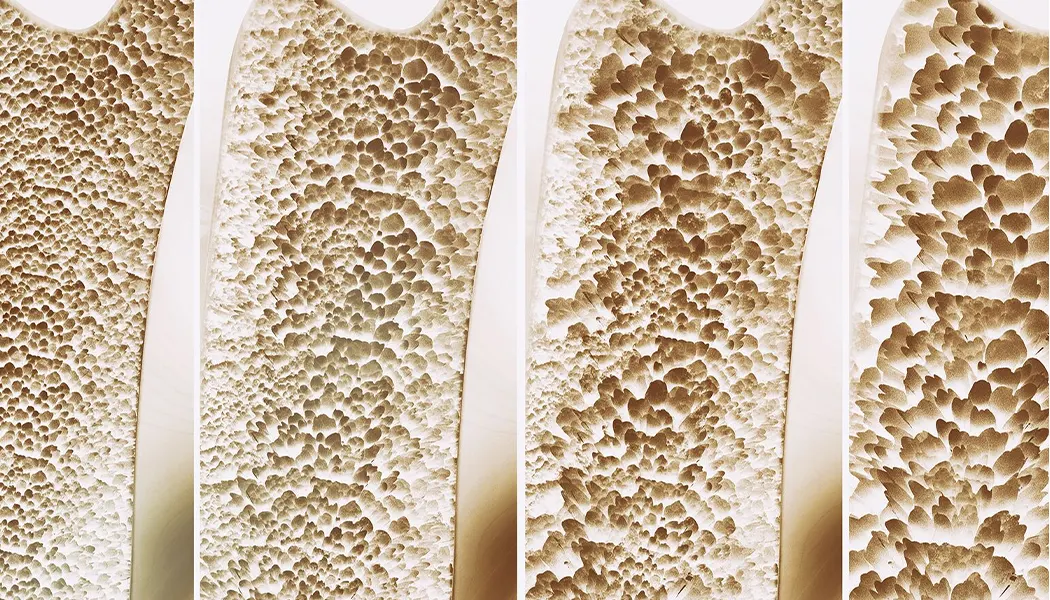
Osteoporosis is a condition in which bones become weaker and more fragile, increasing the risk of fractures. It develops when bone strength decreases due to changes in bone density and bone quality. Osteoporosis commonly affects the spine, hips, and wrists and may not cause symptoms until a fracture occurs. At Pure Physio, physiotherapy focuses on safe weight-bearing and strengthening exercises, improving posture and balance, reducing fall risk, and helping individuals maintain mobility and independence while protecting bone health.
Osteoporosis is a bone condition in which the bones become less dense, weaker, and more vulnerable to fractures. Throughout life, the body continuously breaks down old bone and forms new bone. Osteoporosis can develop when bone breakdown occurs faster than the body can replace or rebuild it, resulting in reduced bone strength. The condition is often called a silent disease because many people do not experience noticeable symptoms until they sustain a fracture. Osteoporosis commonly affects the hip, spine, and wrist, although any bone can be affected. A fracture may occur after a fall or, in more severe cases, following relatively minor force. Vertebral fractures in the spine can sometimes lead to back pain, loss of height, or changes in posture. Early diagnosis, appropriate medical management, exercise, nutrition, and fall prevention can all play an important role in maintaining bone health and reducing fracture risk.
What Are The Symptoms Of Osteoporosis?
Osteoporosis often causes no symptoms in its early stages.
Symptoms or signs may develop when bone weakness leads to a fracture.
Bone Fractures: A fracture may occur more easily than expected after a fall or relatively minor injury.
Back Pain: A spinal or vertebral fracture may cause sudden or persistent back pain.
Loss of Height: Repeated vertebral compression fractures may cause a gradual reduction in height.
Stooped Posture: Changes in the shape of the spine may lead to a rounded or stooped posture.
Kyphosis: Increased rounding of the upper back may develop following vertebral fractures.
Hip Fracture: A fall may result in a fracture around the hip in people with significant bone weakness.
Wrist Fracture: The wrist may fracture after falling onto an outstretched hand.
Reduced Mobility: Pain or fractures can make walking and everyday activities difficult.
Reduced Confidence: Fear of falling or sustaining another fracture may lead to reduced physical activity.
Muscle Weakness: Reduced activity following pain or fractures can contribute to loss of muscle strength.
Balance Problems: Poor balance may increase the risk of falls and fractures.
Many people only discover they have osteoporosis after a fracture or a bone density assessment.
What Are The Causes Of Osteoporosis?
Osteoporosis can develop due to a combination of factors affecting bone formation and bone loss.
Age: Bone strength generally decreases with advancing age.
Hormonal Changes: Changes in hormone levels can affect bone health.
Menopause: Reduced oestrogen levels after menopause can accelerate bone loss.
Low Bone Mass: Having lower bone density earlier in life can increase future risk.
Family History: A family history of osteoporosis or certain fractures may increase risk.
Previous Fragility Fracture: A fracture following low-level trauma can indicate increased future fracture risk.
Low Body Weight: Low body weight may be associated with reduced bone reserves in some individuals.
Low Physical Activity: Lack of weight-bearing and strengthening activity can contribute to reduced bone strength.
Smoking: Smoking can negatively affect bone health.
Excessive Alcohol Intake: High alcohol consumption can increase the risk of bone loss and falls.
Poor Nutrition: Inadequate intake of nutrients important for bone health may contribute.
Low Calcium Intake: Calcium is important for maintaining bone structure.
Low Vitamin D Levels: Vitamin D helps the body absorb calcium and supports bone health.
Long-Term Corticosteroid Use: Certain medicines, particularly long-term steroid treatment, can contribute to bone loss.
Certain Medical Conditions: Some hormonal, digestive, inflammatory, kidney, and other medical conditions can affect bone health.
Reduced Sun Exposure: Limited sun exposure may contribute to low vitamin D levels, depending on individual circumstances.
Frequent Falls: Falls increase the risk of fractures in people with reduced bone strength.
Having one or more risk factors does not necessarily mean that a person will develop osteoporosis.
Diagnosis Of Osteoporosis
Medical History: A healthcare professional will ask about fractures, family history, medications, lifestyle, nutrition, and other risk factors.
Physical Examination: Height, posture, balance, movement, and signs of previous fractures may be assessed.
Bone Mineral Density Test: A DEXA or DXA Scan is commonly used to measure bone mineral density.
T-Score Assessment: Bone density results may be compared with a healthy young adult reference population using a T-score.
Fracture Risk Assessment: Healthcare professionals may assess future fracture risk using clinical information and appropriate assessment tools.
X-Rays: X-rays may be used to identify fractures, including vertebral compression fractures.
Blood Tests: Blood tests may help identify vitamin deficiencies, hormonal causes, or other conditions affecting bone health.
Height Monitoring: Changes in height may help identify possible vertebral compression fractures.
Diagnosis and fracture-risk assessment should be completed by an appropriately qualified healthcare professional.
Treatment Of Osteoporosis
Treatment aims to strengthen or preserve bone, reduce fracture risk, and maintain physical function.
Medical Management: A doctor may recommend medication to reduce bone loss or improve bone strength when appropriate.
Calcium: Adequate dietary calcium is important for bone health.
Vitamin D: Vitamin D may be recommended when intake or levels are insufficient, according to medical advice.
Weight-Bearing Exercise: Appropriate activities can help support bone and overall physical health.
Strength Training: Progressive resistance exercise helps maintain or improve muscle strength and may support bone health.
Balance Training: Improving balance can help reduce the risk of falls.
Fall Prevention: Identifying and addressing fall risks can help reduce the likelihood of fractures.
Smoking Cessation: Avoiding smoking can support overall bone health.
Limiting Excessive Alcohol: Reducing excessive alcohol intake may lower risks related to bone health and falls.
Home Safety Assessment: Removing trip hazards and improving safety at home can help reduce fall risk.
Mobility Aids: Walking aids may be recommended for selected individuals to improve safety and stability.
Fracture Management: Fractures require appropriate medical assessment and treatment.
Treatment should be individualised according to bone density, fracture history, overall health, medications, and future fracture risk.
What Is The Physiotherapy Treatment Of Osteoporosis
Detailed Assessment: At Pure Physio, we assess your posture, mobility, muscle strength, balance, walking ability, previous fractures, fall risk, and individual goals.
Safe Exercise Planning: Your exercise programme is adapted according to your bone health, fracture risk, physical ability, and medical recommendations.
Weight-Bearing Exercises: Appropriate weight-bearing activities may help support bone health and functional strength.
Strengthening Exercises: Progressive resistance exercises help maintain or improve muscle strength.
Postural Strengthening: Exercises can strengthen the muscles supporting an upright posture.
Spinal Extension Exercises: Carefully selected exercises may help strengthen the muscles that support the back and promote appropriate posture.
Balance Training: Exercises help improve stability and confidence during standing and walking.
Gait Training: Physiotherapy can help improve walking ability and movement confidence.
Functional Exercise: Activities such as sit-to-stand, stepping, and safe stair practice can support everyday independence.
Fall Prevention Training: We identify movement and balance challenges and provide strategies to reduce fall risk.
Coordination Training: Exercises may improve body awareness and movement control.
Safe Movement Education: We provide guidance on appropriate bending, lifting, reaching, and daily movement techniques based on your individual fracture risk.
Flexibility Exercises: Suitable mobility exercises help maintain comfortable movement without placing unnecessary stress on vulnerable areas.
Confidence Building: Gradual activity progression can help individuals return safely to everyday movement and exercise.
Home Exercise Programme: A personalised programme supports regular activity between physiotherapy sessions.
Progress Monitoring: Your programme is reviewed and adjusted according to your strength, balance, mobility, fracture history, and medical guidance.
Important: People with osteoporosis, particularly those with vertebral fractures or a high fracture risk, may need to avoid certain movements or exercises. Exercise should be individually prescribed and progressed safely.
Why Choose Pure Physio?
Detailed Physical Assessment: We assess your strength, posture, balance, mobility, walking ability, and functional needs.
Personalised Exercise Programmes: Your rehabilitation plan is adapted according to your bone health, fracture risk, physical ability, and goals.
Safety-Focused Rehabilitation: Exercises are selected carefully to support physical health while reducing unnecessary fracture risk.
Strength and Mobility Focus: We help build the muscle strength and movement capacity needed for everyday activities.
Balance and Fall Prevention: Rehabilitation focuses on improving stability, coordination, and confidence to help reduce fall risk.
Posture-Focused Care: We provide exercises and guidance to support comfortable and functional spinal alignment.
Functional Independence: Therapy focuses on practical activities such as walking, standing, climbing stairs, and getting up from a chair.
Safe Movement Education: We provide guidance on everyday movement and activity according to your individual needs.
Progressive Exercise Approach: Your programme develops gradually as your strength, confidence, and physical ability improve.
Support Following Fractures: Physiotherapy can help restore mobility and function following appropriate medical treatment for fractures.
Regular Progress Monitoring: Your programme is reviewed and adjusted according to changes in your physical function and medical status.
Integrated Care Approach: When medical treatment, bone density monitoring, nutritional support, or specialist assessment is required, we can work as part of a coordinated care approach.
Focused on Long-Term Independence: Our goal is to help you maintain strength, mobility, balance, confidence, and independence while supporting your long-term bone health.
Start Your Recovery Journey Today
Don’t let pain, stiffness, or reduced mobility affect your daily life. Get personalised physiotherapy care designed around your condition and recovery goals.