
Osteoarthritis
Manage joint pain, improve movement, and stay active with personalised physiotherapy for osteoarthritis.
Contents
Take the First Step Towards Better Movement
Our experienced physiotherapists are here to help you improve mobility, regain strength, and move with greater comfort and confidence.
What is Osteoarthritis?
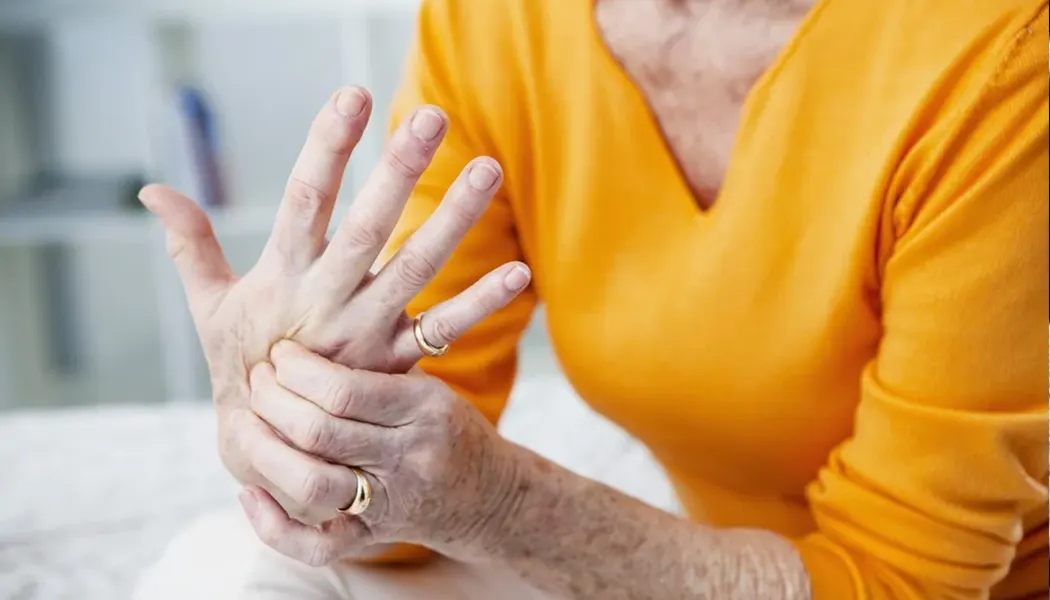
Osteoarthritis, commonly known as OA, is a chronic joint condition involving changes to the entire joint, including the cartilage, underlying bone, joint lining, ligaments, and surrounding muscles. Cartilage is a smooth, protective tissue that covers the ends of bones and helps joints move with low friction. In osteoarthritis, the joint tissues gradually change, and the cartilage may become thinner or damaged while changes can also occur in the bone and other structures around the joint. These changes can lead to pain, stiffness, swelling, reduced mobility, and difficulty with activities such as walking, climbing stairs, gripping objects, or getting up from a chair. Osteoarthritis commonly affects the knees, hips, hands, and spine, although it can occur in other joints. Symptoms vary from person to person, and the severity of changes seen on an X-ray does not always match the amount of pain or difficulty a person experiences.
At Pure Physio, rehabilitation focuses on improving joint mobility, strengthening the muscles that support the affected joint, managing pain, improving physical function, and helping you remain active and independent.
What Are The Symptoms Of Osteoarthritis?
Joint Pain: Pain may occur during or after movement and can vary in intensity.
Joint Stiffness: The joint may feel stiff, particularly after rest or inactivity.
Morning Stiffness: Stiffness after waking is common and usually improves with movement.
Reduced Range of Motion: It may become difficult to fully bend, straighten, or move the affected joint.
Pain During Weight-Bearing: Standing, walking, climbing stairs, or other weight-bearing activities may cause discomfort when the lower-limb joints are affected.
Joint Swelling: Some people experience swelling around the affected joint.
Tenderness: The joint may feel painful or sensitive when pressure is applied.
Grinding or Clicking Sensation: A grating or crackling sensation, known as crepitus, may occur during movement.
Reduced Strength: Muscles around the affected joint may become weaker.
Difficulty Walking: Hip, knee, ankle, or foot osteoarthritis can affect walking ability.
Difficulty Climbing Stairs: Knee and hip osteoarthritis may make stair activities painful or difficult.
Difficulty with Daily Activities: Dressing, gripping, standing, walking, household tasks, and work activities may become challenging.
Joint Enlargement: Some joints may appear larger due to changes in the bone or surrounding tissues.
Reduced Physical Activity: Pain and stiffness may cause a person to become less active.
Changes in Movement Pattern: A person may limp or change how they move to avoid pain.
Symptoms may fluctuate, with periods when they are more manageable and periods when they become more troublesome.
What Are The Causes Of Osteoarthritis?
Osteoarthritis does not usually have one single cause. It can develop due to a combination of factors affecting the joint over time.
Age: The likelihood of osteoarthritis generally increases with age.
Previous Joint Injury: Fractures, ligament injuries, meniscus injuries, and other joint trauma can increase the risk of osteoarthritis.
Repeated Joint Loading: Certain work, sports, or activities involving repeated joint stress may contribute.
Muscle Weakness: Reduced strength can affect how forces are controlled around a joint.
Joint Alignment: Individual differences in joint shape or alignment can influence joint loading.
Genetic Factors: Family history may increase the likelihood of osteoarthritis in some individuals.
Higher Body Weight: Greater body weight can increase the load placed on weight-bearing joints such as the knees and hips.
Previous Joint Surgery: Some surgical procedures or previous joint damage may influence future joint health.
Repetitive Occupational Activities: Frequent kneeling, squatting, lifting, gripping, or repetitive movements may contribute depending on the joint involved.
Other Joint Conditions: Certain congenital, inflammatory, or metabolic conditions may increase the risk of developing secondary osteoarthritis.
Reduced Physical Activity: Low activity levels can contribute to muscle weakness and reduced physical capacity, which may affect joint function.
Osteoarthritis can affect people differently, and having one or more risk factors does not necessarily mean that a person will develop severe symptoms.
Diagnosis Of Osteoarthritis
Medical History: A healthcare professional will ask about your joint pain, stiffness, symptoms, previous injuries, daily activities, and how the condition affects your function.
Physical Examination: The affected joint is assessed for movement, swelling, tenderness, strength, stability, and functional limitations.
Range of Motion Assessment: The ability to bend, straighten, or move the joint is evaluated.
Strength Assessment: The muscles supporting the affected joint may be tested.
Walking and Movement Assessment: Gait, posture, squatting, stair climbing, or other relevant movements may be assessed.
Functional Assessment: Everyday activities affected by the joint problem are evaluated.
X-Rays: X-rays may show changes such as joint-space narrowing, bone spurs, or other bony changes.
MRI: MRI is not routinely required for typical osteoarthritis but may be considered when another condition or associated injury is suspected.
Blood Tests: Blood tests may be used when a doctor needs to rule out inflammatory arthritis or other medical conditions.
Diagnosis is based on a combination of symptoms, clinical assessment, and investigations when required.
Treatment Of Osteoarthritis
Treatment aims to manage symptoms, improve physical function, and help the individual remain active.
Physiotherapy: A structured rehabilitation programme can improve strength, movement, balance, and functional ability.
Exercise Therapy: Regular, appropriately selected exercise is an important part of osteoarthritis management.
Strength Training: Strengthening the muscles around the affected joint can improve support and function.
Aerobic Exercise: Activities such as walking, cycling, or other suitable exercise may improve overall fitness and physical capacity.
Activity Modification: Temporary changes to aggravating activities may help manage symptom flare-ups.
Weight Management: When appropriate, maintaining a healthy body weight may help reduce load on weight-bearing joints.
Pain Management: A doctor may recommend suitable medication when required.
Heat Therapy: Heat may help temporarily relieve stiffness for some individuals.
Cold Therapy: Cold may provide temporary relief during painful or swollen flare-ups for some people.
Bracing or Supports: Braces, splints, or other supports may be useful for selected individuals.
Walking Aids: A cane or other mobility aid may be recommended when appropriate.
Injection Therapy: Certain injections may be considered in selected cases following medical assessment.
Joint Replacement Surgery: For severe osteoarthritis causing significant pain and disability despite appropriate conservative treatment, joint replacement surgery may be considered.
Treatment should be individualised according to the affected joint, symptoms, overall health, and functional goals.
What Is The Physiotherapy Treatment Of Osteoarthritis
Detailed Assessment: At Pure Physio, we assess your joint pain, stiffness, movement, strength, balance, walking pattern, daily activities, and individual goals.
Pain-Guided Exercise: Exercises are selected and progressed according to your symptoms and physical capacity.
Joint Mobility Exercises: Controlled movements help maintain or improve comfortable joint range of motion.
Strengthening Exercises: Progressive strengthening targets the muscles that support the affected joint.
Functional Strength Training: Exercises prepare you for everyday activities such as standing, walking, climbing stairs, lifting, and getting up from a chair.
Balance Training: Exercises help improve stability and confidence during movement.
Walking Training: Gait assessment and training may help improve walking efficiency and confidence.
Flexibility Exercises: Selected stretches may help address muscle tightness affecting joint movement.
Low-Impact Exercise Guidance: We may recommend suitable activities such as cycling, walking, swimming, or other exercises according to your ability.
Postural and Movement Training: Rehabilitation addresses movement habits and techniques that may affect joint loading.
Stair Training: Therapy can help improve strength and confidence when climbing or descending stairs.
Manual Therapy: Appropriate hands-on techniques may be used as part of a broader rehabilitation programme when clinically suitable.
Activity Pacing: We provide guidance on balancing activity, exercise, and rest to help manage symptoms.
Weight-Bearing Progression: Activities are progressed safely according to joint tolerance and functional ability.
Home Exercise Programme: A personalised programme supports regular movement and strengthening between physiotherapy sessions.
Education for Self-Management: We provide practical guidance on exercise, activity modification, symptom management, and long-term joint care.
Progress Monitoring: Your treatment programme is reviewed and adjusted according to changes in pain, movement, strength, and function.
Why Choose Pure Physio?
Detailed Joint Assessment: We assess your symptoms, joint movement, strength, balance, walking, and functional limitations.
Personalised Rehabilitation Plans: Your treatment programme is adapted according to the affected joint, your symptoms, lifestyle, physical ability, and goals.
Exercise-Based Rehabilitation: We focus on safe and progressive exercise to improve joint support and physical function.
Strength and Mobility Focus: Rehabilitation aims to improve the muscles and movement needed for everyday activities.
Pain-Guided Progression: Exercises are adjusted according to your symptoms and response to activity.
Functional Recovery Focus: Treatment targets practical activities such as walking, standing, climbing stairs, working, exercising, and household tasks.
Balance and Stability Training: We help improve movement confidence and reduce the impact of weakness or instability.
Activity and Lifestyle Guidance: We provide practical advice on staying active, managing flare-ups, and modifying activities when needed.
Support for Multiple Joints: Rehabilitation can be adapted for osteoarthritis affecting the knees, hips, hands, spine, or other joints.
Pre and Post-Surgical Rehabilitation: When joint replacement surgery is required, we can support physiotherapy before and after the procedure.
Regular Progress Monitoring: Your programme is reviewed and adjusted as your pain, strength, movement, and functional ability change.
Integrated Care Approach: When medical treatment, imaging, injections, orthopaedic assessment, or other specialist care is required, we can support rehabilitation as part of a coordinated treatment plan.
Focused on Long-Term Joint Health: Our goal is to help you manage symptoms, maintain movement and strength, stay active, and continue doing the activities that matter to you.
Start Your Recovery Journey Today
Don’t let pain, stiffness, or reduced mobility affect your daily life. Get personalised physiotherapy care designed around your condition and recovery goals.