
Myositis Ossification
Recover safely from muscle pain and stiffness with personalised physiotherapy focused on restoring movement, strength, and everyday function.
Contents
Take the First Step Towards Better Movement
Our experienced physiotherapists are here to help you improve mobility, regain strength, and move with greater comfort and confidence.
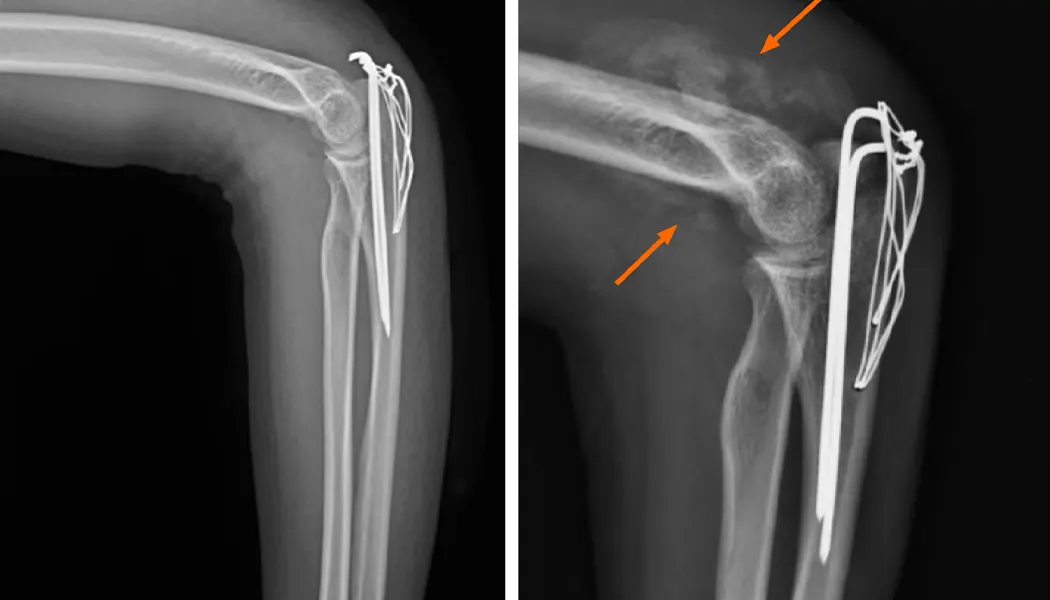
What is Myositis Ossification?
Myositis Ossificans is a condition in which bone-like tissue forms within a muscle or other soft tissues, usually after a significant injury or repeated trauma. It commonly develops after a deep muscle bruise, particularly in large muscles such as the quadriceps in the thigh. Pain, swelling, stiffness, and a gradually reducing range of movement may develop over time. A firm lump may also be felt in the affected muscle. At Pure Physio, rehabilitation is carefully planned according to the stage of healing and medical guidance, focusing on maintaining safe movement, reducing functional limitations, gradually restoring strength, and helping you return to everyday activities.
Myositis Ossificans is a condition in which abnormal bone formation develops within soft tissue, most commonly inside or around a muscle following an injury.
The term can be understood as:
Myositis: Refers to muscle-related inflammation.
Ossification: Means the formation of bone tissue.
Despite the name, the condition does not always represent ongoing inflammation of the muscle.
It most commonly occurs after:
A Deep Muscle Contusion
A Significant Muscle Injury
Repeated Trauma
A deep impact can cause bleeding and damage within the muscle. During healing, abnormal bone-like tissue may gradually form within the injured area.
It commonly affects large muscles such as the:
Quadriceps
Hamstrings
Biceps
Muscles Around the Hip
Myositis ossificans can develop over days or weeks following an injury.
In the early stage, symptoms may resemble a severe muscle bruise.
Over time, a person may develop:
Increasing Stiffness
Reduced Joint Movement
A Firm or Hard Lump
The condition should be medically assessed because other causes of a lump, pain, or abnormal bone formation may require different management.
What Are The Symptoms Of Myositis Ossification?
Persistent Muscle Pain: Pain may continue longer than expected after an injury.
Swelling: The affected muscle may remain swollen.
Muscle Tenderness: The injured area may be painful when touched.
Increasing Stiffness: The muscle may gradually become tight and less flexible.
Reduced Range of Motion: Movement of a nearby joint may become restricted.
Firm Lump in the Muscle: A hard or firm area may gradually become noticeable.
Pain During Movement: Stretching or contracting the affected muscle may cause discomfort.
Reduced Muscle Strength: Pain and restricted movement can affect strength.
Difficulty Walking or Moving: Symptoms in the thigh, hip, or leg may affect mobility.
Difficulty with Sports: Running, jumping, kicking, or other high-demand movements may become difficult.
Persistent Symptoms After a Muscle Bruise: Pain and stiffness that do not improve as expected may require assessment.
Reduced Functional Ability: Everyday activities may be affected depending on the location of the condition.
Symptoms may develop gradually and vary depending on the size and location of the ossification.
What Are The Causes Of Myositis Ossification?
Myositis ossificans is most commonly associated with trauma to a muscle or soft tissue.
Severe Muscle Contusion: A direct blow can cause bleeding and damage within the muscle.
Sports Injuries: Contact sports can result in repeated impacts or deep muscle bruising.
Repeated Trauma: Recurrent blows to the same area may increase the risk.
Premature Return to Intense Activity: Continuing to place significant stress on a severely injured muscle before adequate recovery may contribute to further tissue irritation.
Muscle Injury with Internal Bleeding: Significant bleeding within muscle tissue may be associated with abnormal healing and bone formation.
Inadequate Protection After Injury: Repeated impacts to a healing muscle can contribute to further injury.
Traumatic Accidents: Falls, collisions, or direct impacts can cause severe soft-tissue trauma.
Previous Muscle Injury: A previously injured area may be vulnerable to further trauma.
In some situations, abnormal bone formation around soft tissues can also occur after:
Major Surgery
Neurological Injury
Spinal Cord Injury
Severe Burns
These forms may have different causes and are managed according to the underlying condition.
Diagnosis Of Myositis Ossification
Medical History: A healthcare professional will ask about previous trauma, muscle bruising, sports injuries, surgery, or other relevant events.
Physical Examination: The affected muscle is assessed for pain, swelling, tenderness, stiffness, lump formation, and movement limitations.
Range of Motion Assessment: Movement of the nearby joint is evaluated.
Muscle Strength Assessment: Weakness and pain during muscle contraction may be assessed.
X-Rays: X-rays may identify bone formation within the soft tissues, particularly once the ossification has developed.
Ultrasound: Ultrasound may help assess the affected soft tissues and detect changes in appropriate cases.
MRI: MRI may provide detailed information about the muscle and surrounding soft tissues, particularly during earlier stages when diagnosis is unclear.
CT Scan: CT can provide detailed imaging of mature bone formation and its relationship to surrounding structures.
Follow-Up Imaging: Repeat imaging may be used to monitor changes over time.
Because some other conditions can also cause a painful or enlarging soft-tissue mass, appropriate medical assessment is important.
Treatment Of Myositis Ossification
Treatment depends on the location, severity, stage of development, symptoms, and impact on movement and function.
Medical Assessment: Proper diagnosis is important before beginning an intensive treatment programme.
Activity Modification: Activities that cause significant pain or repeated trauma may need to be temporarily reduced.
Protection from Further Trauma: The affected area may need to be protected from additional impact.
Pain Management: A doctor may recommend appropriate medication when required.
Physiotherapy: Carefully planned rehabilitation can help maintain safe movement and reduce functional limitations.
Gentle Mobility Exercises: Controlled movement may be used to maintain joint mobility without excessively irritating the affected tissue.
Gradual Strengthening: Strengthening exercises are progressed according to symptoms, healing, and medical advice.
Avoiding Aggressive Early Treatment: Aggressive stretching, forceful massage, or excessive pressure directly over a recent severe muscle injury may aggravate symptoms and should be avoided unless specifically advised by an appropriate healthcare professional.
Monitoring: Symptoms and function may be monitored over time.
Surgical Removal: Surgery is not commonly required but may be considered in selected cases when mature bone formation causes persistent pain, significant movement restriction, nerve compression, or major functional problems.
Surgical decisions are generally made by an appropriate specialist after careful assessment of the condition.
What Is The Physiotherapy Treatment Of Myositis Ossification
Detailed Assessment: At Pure Physio, rehabilitation begins by assessing pain, swelling, muscle stiffness, joint movement, strength, walking or functional ability, and the impact of symptoms on daily activities.
Protection and Activity Guidance: We provide guidance on reducing activities that may cause repeated trauma or excessive stress to the affected area.
Gentle Range of Motion Exercises: Controlled exercises may help maintain movement in the nearby joints.
Pain-Guided Rehabilitation: Exercise intensity is adjusted according to symptoms, tissue healing, and medical recommendations.
Muscle Activation Exercises: Gentle activation may help maintain available muscle function during appropriate stages of recovery.
Progressive Strengthening: Strengthening is gradually introduced to improve muscle capacity and functional ability.
Flexibility Training: Gentle flexibility exercises may be included when appropriate and progressed carefully.
Functional Movement Training: Rehabilitation may focus on activities such as walking, squatting, climbing stairs, reaching, or other movements affected by the condition.
Balance and Coordination Training: These exercises may be included when the affected area influences lower-limb stability or movement control.
Gait Rehabilitation: Walking patterns can be addressed when pain or stiffness affects mobility.
Sport-Specific Rehabilitation: Athletes can progress toward running, jumping, kicking, or other sporting activities once medically and functionally appropriate.
Gradual Return to Activity: Activity levels are progressively increased based on symptoms, movement, strength, and functional recovery.
Home Exercise Programme: A personalised programme may support consistent and safe rehabilitation between physiotherapy sessions.
Progress Monitoring: Your physiotherapist can regularly review pain, movement, strength, and function to adapt the programme as your recovery progresses.
Why Choose Pure Physio?
Careful Individual Assessment: We assess your injury history, symptoms, movement restrictions, muscle function, and everyday activity requirements.
Personalised Rehabilitation Plans: Your programme is adapted according to the location and stage of the condition, symptoms, medical findings, and recovery goals.
Safe and Controlled Progression: Exercises are progressed carefully to avoid unnecessary irritation of the affected tissues.
Focus on Mobility and Function: Rehabilitation aims to improve the movement and physical abilities needed for everyday life.
Gradual Strength Recovery: We help rebuild muscle strength and capacity at an appropriate pace.
Activity-Specific Rehabilitation: Exercises can be adapted to support your return to work, household activities, exercise, and sport.
Avoidance of Unnecessary Aggressive Treatment: Our approach prioritises appropriate protection and controlled rehabilitation during recovery.
Functional Movement Training: Treatment addresses practical movements affected by pain, stiffness, or weakness.
Ongoing Progress Monitoring: Your programme is regularly reviewed and adjusted according to changes in symptoms and function.
Integrated Care Approach: Where imaging, specialist assessment, or surgical management is required, physiotherapy can form part of a coordinated treatment plan to support safe recovery and long-term function.
Start Your Recovery Journey Today
Don’t let pain, stiffness, or reduced mobility affect your daily life. Get personalised physiotherapy care designed around your condition and recovery goals.