Myasthenia Gravis
Maintain strength, improve mobility, and manage fatigue with personalised physiotherapy support for myasthenia gravis.
Contents
Take the First Step Towards Better Movement
Our experienced physiotherapists are here to help you improve mobility, regain strength, and move with greater comfort and confidence.
What is Myasthenia Gravis ?
Myasthenia Gravis is a long-term autoimmune neuromuscular condition that causes weakness in voluntary muscles. The weakness often becomes worse with repeated activity and improves after rest. It may affect the muscles controlling the eyes and eyelids, facial expressions, speaking, chewing, swallowing, neck movement, arms, legs, or breathing. At Pure Physio, physiotherapy focuses on safe, individualised exercise, mobility, energy conservation, balance, and functional independence while taking fatigue and symptom fluctuations into account.
Myasthenia Gravis (MG) is an autoimmune disorder that affects communication between nerves and voluntary muscles. Normally, nerves release chemical signals that attach to receptors on muscles and trigger muscle contraction. In myasthenia gravis, antibodies produced by the immune system interfere with this communication at the neuromuscular junction, causing muscles to become weak and easily fatigued. The characteristic feature of the condition is fluctuating muscle weakness, which often worsens with repeated activity and improves with rest. Myasthenia gravis can affect different muscle groups, ranging from only the eye muscles to more widespread weakness involving the face, throat, neck, limbs, and respiratory muscles. Symptoms can vary considerably between individuals and may change throughout the day, making appropriate medical assessment and individualised management essential.
What Are The Symptoms Of Myasthenia Gravis ?
Symptoms vary depending on which muscles are affected.
Eye And Facial Symptoms
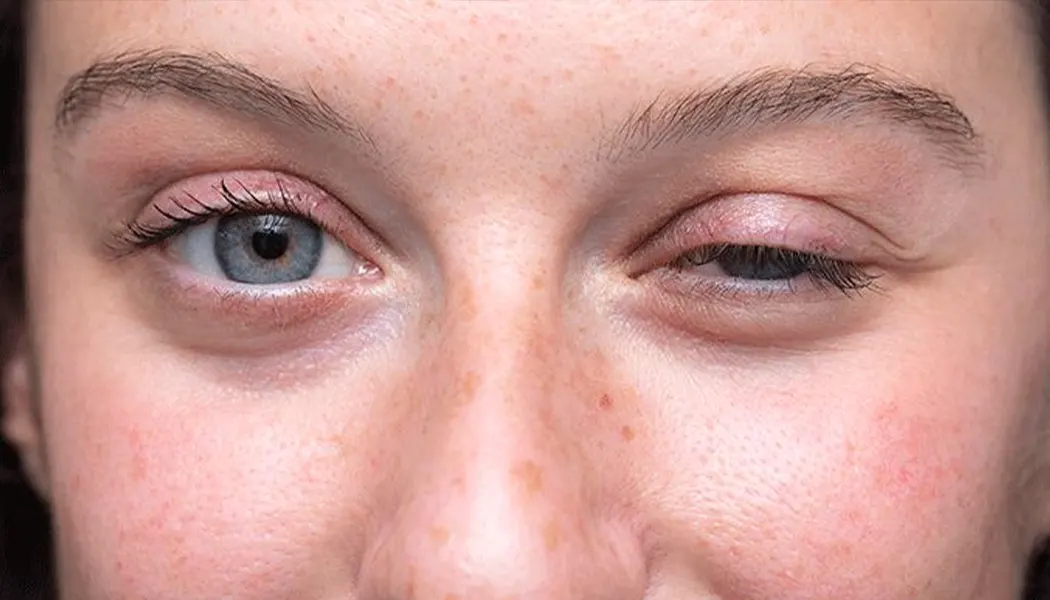
Drooping Eyelid: One or both eyelids may droop, a condition known as ptosis.
Double Vision: Weakness of the eye muscles may cause double vision.
Difficulty Keeping the Eyes Open: The eyelids may become increasingly difficult to keep open as the muscles fatigue.
Facial Weakness: Facial expressions may become weaker or less symmetrical.
Difficulty Smiling: A smile may appear weak or unusual due to facial muscle weakness.
Speech And Swallowing Symptoms
Slurred Speech: Speech may become unclear, particularly after prolonged talking.
Weak Voice: The voice may become soft, nasal, or weaker with continued speaking.
Difficulty Chewing: Chewing may become difficult as the jaw muscles fatigue.
Difficulty Swallowing: Swallowing food or liquids may become difficult.
Choking or Coughing During Eating: Weakness of swallowing muscles may increase the risk of food or liquid entering the airway.
Neck And Limb Symptoms
Neck Weakness: Difficulty holding the head upright may occur.
Arm Weakness: Lifting or holding the arms up may become difficult.
Leg Weakness: Climbing stairs, standing from a chair, or walking may become challenging.
Muscle Fatigue: Muscles may become weak with repeated activity and recover after rest.
Difficulty with Repetitive Movements: Repeated movements may become progressively more difficult.
Difficulty with Daily Activities: Dressing, washing hair, carrying objects, and other tasks may become challenging.
Breathing Symptoms
Shortness of Breath: Weakness of the respiratory muscles can affect breathing.
Difficulty Taking a Deep Breath: Breathing may feel weak or restricted.
Difficulty Clearing Secretions: A weak cough may make it difficult to clear mucus.
Important: Severe or rapidly worsening difficulty breathing or swallowing can be a medical emergency and requires immediate medical attention.
What Are The Causes Of Myasthenia Gravis ?
Myasthenia gravis is caused by an abnormal autoimmune response.
Autoimmune Antibodies: The immune system produces antibodies that interfere with normal communication between nerves and muscles.
Acetylcholine Receptor Antibodies: In many people, antibodies target acetylcholine receptors at the neuromuscular junction.
MuSK Antibodies: Some individuals have antibodies affecting muscle-specific kinase, another important part of neuromuscular communication.
Other Immune Mechanisms: Other antibodies and immune-related processes may contribute in some cases.
Thymus Gland Abnormalities: The thymus may play a role in the abnormal immune response. Some people have thymus enlargement or a thymic tumour.
The exact reason why the immune system begins producing these antibodies is not fully understood.
Certain factors may worsen symptoms in some individuals, including:
Infections
Stress
Lack of Sleep
Excessive Physical Exertion
High Temperatures
Certain Medications
Surgery or Other Illness
Triggers and symptom patterns vary between individuals.
Diagnosis Of Myasthenia Gravis
Medical History: A healthcare professional will ask about fluctuating muscle weakness, symptoms that worsen with activity, and improvement after rest.
Physical Examination: Eye movements, eyelid position, facial strength, speech, neck strength, limb strength, and muscle fatigue may be assessed.
Neurological Examination: A detailed assessment of nerve and muscle function is performed.
Blood Tests: Blood tests can identify antibodies associated with myasthenia gravis.
Repetitive Nerve Stimulation: Electrical nerve testing may identify changes in how the neuromuscular junction functions.
Single-Fibre Electromyography: This specialised test can detect abnormalities in nerve-to-muscle signal transmission.
Ice Pack Test: In selected cases involving drooping eyelids, applying a cold pack may temporarily improve ptosis and support the clinical assessment.
CT or MRI of the Chest: Imaging may be used to examine the thymus gland and identify thymus abnormalities.
Pulmonary Function Tests: Breathing function may be assessed when respiratory muscle involvement is suspected.
Diagnosis is usually confirmed through a combination of clinical findings, antibody testing, specialised nerve studies, and other appropriate investigations.
Treatment Of Myasthenia Gravis
Treatment aims to improve nerve-to-muscle communication, control the abnormal immune response, and manage symptoms.
Symptom-Improving Medication: Medicines may be prescribed to improve communication between nerves and muscles.
Immunosuppressive Treatment: Medicines that modify the immune response may be used to control the condition.
Corticosteroids: Steroid medication may be prescribed in selected cases.
Biologic or Targeted Therapies: Certain specialised treatments may be considered depending on the type and severity of the condition.
Intravenous Immunoglobulin (IVIG): IVIG may be used in selected situations, particularly when rapid improvement is needed.
Plasma Exchange: This treatment may be used to remove harmful antibodies from the blood in severe situations.
Thymectomy: Surgical removal of the thymus gland may be recommended for selected individuals.
Physiotherapy: Carefully planned rehabilitation can help maintain mobility, strength, balance, and physical function.
Energy Conservation: Learning to balance activity and rest can help manage fatigue and muscle weakness.
Management of Triggers: Identifying and managing factors that worsen symptoms can be important.
Regular Medical Monitoring: Ongoing care with a neurologist and other healthcare professionals is important.
What Is The Physiotherapy Treatment Of Myasthenia Gravis
Physiotherapy should be individualised carefully, taking daily changes in muscle weakness and fatigue into account.
Detailed Assessment: At Pure Physio, we assess your muscle strength, mobility, balance, walking ability, fatigue levels, functional limitations, and response to physical activity.
Individualised Exercise Programme: Exercises are adapted according to your current symptoms, medical stability, physical ability, and recovery goals.
Energy Conservation Training: We provide strategies to balance activity and rest and reduce unnecessary fatigue during daily tasks.
Activity Pacing: Activities are broken into manageable periods with appropriate rest when needed.
Gentle Strengthening: Carefully selected strengthening exercises may help maintain muscle function without unnecessary overexertion.
Low to Moderate Intensity Exercise: Exercise intensity is planned and monitored according to individual tolerance and medical guidance.
Aerobic Conditioning: Appropriate low-impact activities may help maintain cardiovascular fitness when safely tolerated.
Mobility Exercises: Regular movement helps maintain joint mobility and reduce the effects of inactivity.
Balance Training: Exercises can help improve stability and confidence when standing and walking.
Walking Rehabilitation: Physiotherapy may support safe and efficient walking according to individual strength and endurance.
Functional Training: Therapy focuses on practical activities such as standing from a chair, climbing stairs, reaching, dressing, and moving safely.
Postural Training: Exercises may help improve comfortable positioning and support the muscles involved in maintaining posture.
Breathing Exercises: When appropriate and medically suitable, selected techniques may support respiratory function and breathing awareness.
Assistive Device Assessment: Advice regarding walking aids or other equipment may be provided when required for safety and independence.
Home Exercise Programme: A manageable programme is designed according to your energy levels and physical abilities.
Progress Monitoring: Your rehabilitation is regularly reviewed and adjusted because symptoms and exercise tolerance can fluctuate.
Important: Exercise should not be pushed through significant weakness or prolonged worsening of symptoms. Your programme should be adjusted if activity causes excessive fatigue or a noticeable deterioration in muscle function.
Why Choose Pure Physio?
Individualised Assessment: We assess your strength, fatigue, mobility, balance, walking ability, and everyday functional needs.
Exercise Adapted to Fluctuating Symptoms: Your programme is adjusted according to changes in muscle weakness and daily exercise tolerance.
Fatigue-Aware Rehabilitation: We focus on appropriate activity levels and rest strategies to reduce unnecessary overexertion.
Focus on Safe Physical Activity: Exercises are selected and progressed carefully according to your ability and medical guidance.
Strength and Mobility Support: Rehabilitation helps maintain the physical abilities needed for daily movement and independence.
Energy Conservation Strategies: We provide practical guidance to help manage everyday tasks more efficiently.
Balance and Walking Support: Treatment can address stability and mobility difficulties.
Functional Rehabilitation: Therapy focuses on meaningful activities such as standing, walking, climbing stairs, reaching, and daily self-care.
Regular Progress Monitoring: Your programme is reviewed and adjusted according to your changing symptoms and physical capacity.
Support for Long-Term Management: Rehabilitation can help maintain activity and function as part of an ongoing care plan.
Integrated Care Approach: We work within appropriate medical guidance and can support rehabilitation alongside neurologists, doctors, respiratory specialists, and other healthcare professionals when required.
Focused on Independence and Quality of Life: Our goal is to help you maintain safe mobility, physical function, confidence, and participation in the everyday activities that matter to you.
Start Your Recovery Journey Today
Don’t let pain, stiffness, or reduced mobility affect your daily life. Get personalised physiotherapy care designed around your condition and recovery goals.