
Multiple Sclerosis
Maintain strength, improve mobility, and support everyday independence with personalised physiotherapy for Multiple Sclerosis.
Contents
Take the First Step Towards Better Movement
Our experienced physiotherapists are here to help you improve mobility, regain strength, and move with greater comfort and confidence.
What is Multiple Sclerosis?
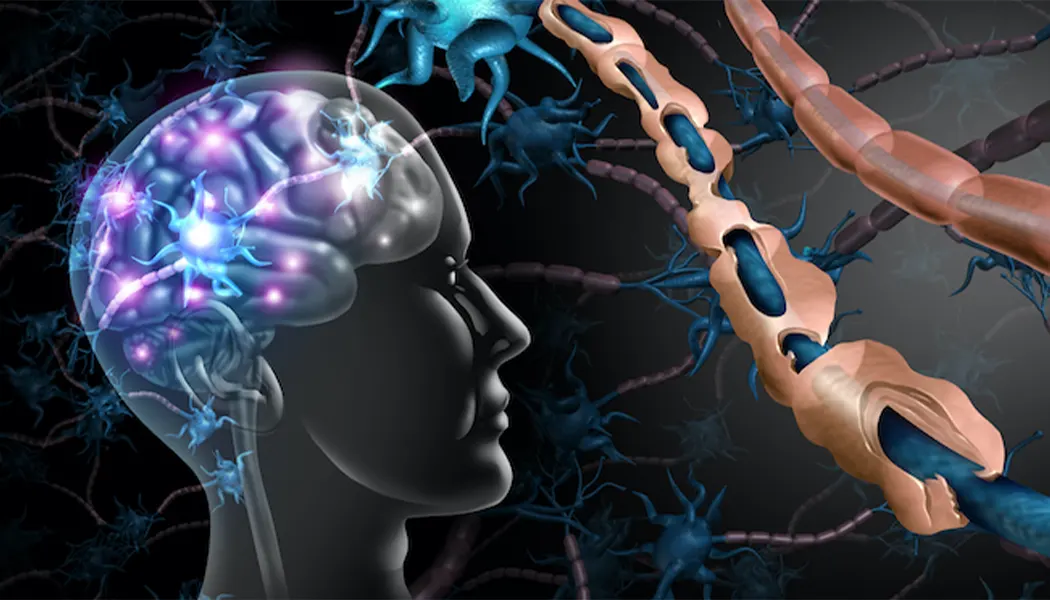
Multiple Sclerosis (MS) is a chronic condition in which the immune system mistakenly attacks parts of the central nervous system, including the brain and spinal cord. This can affect the way messages travel between the brain and the body, leading to symptoms such as fatigue, muscle weakness, changes in sensation, balance problems, stiffness, and difficulties with walking or coordination. Symptoms vary widely between individuals and may change over time. At Pure Physio, physiotherapy focuses on maintaining mobility, improving strength and balance, managing physical symptoms, supporting safe movement, and helping individuals remain as active and independent as possible.
Common types include:
Relapsing-Remitting MS: Periods of new or worsening symptoms are followed by periods of partial or complete recovery.
Secondary Progressive MS: Symptoms gradually worsen over time following an earlier relapsing course.
Primary Progressive MS: Symptoms gradually worsen from the beginning without typical relapses and remissions.
The course of MS varies significantly between individuals.
What Are The Symptoms Of Multiple Sclerosis?
The symptoms of Multiple Sclerosis vary widely depending on which areas of the central nervous system are affected. Common symptoms may include fatigue, muscle weakness, numbness or tingling, blurred or reduced vision, dizziness, balance problems, difficulty walking, and reduced coordination. Some people experience muscle stiffness or spasms, known as spasticity, which can make movement more difficult. Other possible symptoms include tremors, pain, difficulties with speech or swallowing, bladder or bowel problems, and changes in concentration or memory. Symptoms may develop gradually or occur as a relapse, with new or worsening symptoms lasting for a period of time. Heat and fatigue can temporarily worsen symptoms in some people. The type, severity, and progression of symptoms differ significantly between individuals.
What Are The Causes Of Multiple Sclerosis?
The exact cause of Multiple Sclerosis is not fully understood. It is believed to involve a combination of genetic susceptibility, immune system activity, and environmental factors.
Immune System Dysfunction: The immune system mistakenly attacks myelin and other structures within the central nervous system.
Genetic Factors: Certain genes may increase susceptibility to developing MS, although MS is not directly inherited in a simple pattern.
Environmental Factors: Factors such as geographic location, vitamin D exposure, and previous viral infections have been studied for their possible association with MS.
Previous Viral Exposure: Infection with certain viruses, particularly Epstein-Barr virus, has been strongly associated with an increased risk of developing MS.
Smoking: Smoking is associated with an increased risk of developing MS and may be associated with faster disease progression.
No single factor alone is known to cause MS.
Diagnosis Of Multiple Sclerosis
Medical History: A healthcare professional will discuss your symptoms, when they started, how they have changed, previous neurological episodes, and medical history.
Neurological Examination: Muscle strength, sensation, reflexes, vision, coordination, balance, and walking may be assessed.
MRI Scan: MRI is an important investigation used to identify areas of damage or inflammation in the brain and spinal cord.
Lumbar Puncture: A sample of cerebrospinal fluid may be analysed for findings that support the diagnosis of MS.
Evoked Potential Tests: These tests measure the electrical response of the nervous system to specific visual or sensory stimuli.
Blood Tests: Blood tests may be performed to rule out other conditions that can cause similar symptoms.
Diagnostic Criteria: Doctors use a combination of clinical symptoms, neurological examination, MRI findings, and other investigations to determine whether the criteria for MS are met.
A Neurologist usually confirms the diagnosis and manages the medical treatment of Multiple Sclerosis.
Treatment Of Multiple Sclerosis
There is currently no cure for MS, but treatment can help manage the condition, reduce disease activity, treat relapses, and support quality of life.
Disease-Modifying Therapies: A neurologist may prescribe medication to reduce disease activity and lower the frequency of relapses in appropriate types of MS.
Relapse Treatment: Corticosteroids may be used in selected cases to help shorten significant relapses.
Symptom Management: Medication and other treatments may help manage symptoms such as pain, spasticity, bladder problems, or fatigue.
Physiotherapy: Physiotherapy can help maintain strength, mobility, balance, flexibility, and functional independence.
Exercise Programme: Carefully selected aerobic, strengthening, and flexibility exercises can support physical health and function.
Balance and Walking Rehabilitation: Targeted therapy can address balance problems and walking difficulties.
Spasticity Management: Positioning, stretching, movement, and other strategies may help manage muscle stiffness and spasms.
Fatigue Management: Activity pacing, rest planning, and energy-conservation strategies can help manage fatigue.
Occupational Therapy: Occupational therapy may support independence with daily activities and recommend adaptive equipment when needed.
Speech and Swallowing Support: Speech and language therapy may be recommended for individuals experiencing communication or swallowing difficulties.
Psychological Support: Appropriate psychological and emotional support may help people adjust to the challenges of living with a long-term neurological condition.
Assistive Devices: Walking aids, orthoses, wheelchairs, or other equipment may support safe mobility and independence.
Regular Medical Follow-Up: Ongoing review with a neurologist helps monitor disease activity and adjust treatment when required.
What Is The Physiotherapy Treatment Of Multiple Sclerosis
Comprehensive Physical Assessment: At Pure Physio, we assess strength, mobility, balance, coordination, muscle tone, posture, walking ability, fatigue, and functional limitations.
Individualised Rehabilitation Programme: Your programme is tailored according to your symptoms, type of MS, disease activity, physical abilities, fatigue levels, lifestyle, and personal goals.
Strengthening Exercises: Progressive exercises help maintain and improve available muscle strength and functional ability.
Balance Training: Targeted exercises help improve stability, coordination, and confidence during standing and movement.
Walking Rehabilitation: Therapy may address walking patterns, endurance, lower-limb strength, and the appropriate use of walking aids.
Aerobic Exercise: Carefully selected cardiovascular exercise can support endurance and overall physical health according to individual ability.
Flexibility Exercises: Stretching and movement exercises help maintain joint mobility and muscle flexibility.
Spasticity Management: Positioning, regular movement, stretching, and appropriate exercise may help manage muscle stiffness.
Core and Trunk Training: Exercises support postural control, sitting balance, and functional movement.
Coordination Training: Targeted activities may help improve movement accuracy and control.
Functional Movement Training: Therapy focuses on practical activities such as sitting, standing, walking, transferring, climbing stairs, and other everyday tasks.
Fatigue Management: We provide guidance on pacing, planning activity, taking appropriate rest, and balancing exercise with recovery.
Heat Sensitivity Management: Exercise programmes can be adapted to reduce excessive heat exposure when heat temporarily worsens symptoms.
Fall Prevention: Balance, strength, environmental awareness, and mobility strategies can help reduce the risk of falls.
Assistive Device Guidance: We can provide guidance regarding appropriate use of walking aids, orthoses, or other mobility equipment when required.
Home Exercise Programme: A personalised programme supports consistent movement, strength, balance, and functional practice between appointments.
Progress Monitoring: Rehabilitation is regularly reviewed and adjusted according to symptoms, fatigue, mobility, strength, balance, and functional progress.
Why Choose Pure Physio?
Comprehensive Neurological Assessment: We assess strength, movement, balance, coordination, muscle tone, posture, fatigue, walking, and functional ability.
Personalised Rehabilitation Plans: Your programme is tailored according to your symptoms, physical abilities, energy levels, lifestyle, and personal goals.
Focus on Maintaining Mobility: Carefully selected exercises support movement and flexibility.
Build and Maintain Strength: Progressive rehabilitation helps improve available muscle strength and functional capacity.
Improve Balance and Walking: Targeted training supports safe, efficient, and confident mobility.
Manage Fatigue: Practical pacing and activity-management strategies help you balance movement and recovery.
Address Spasticity and Stiffness: Appropriate positioning, stretching, and movement strategies may help manage muscle tightness.
Improve Functional Independence: Therapy focuses on meaningful everyday activities and individual goals.
Safe Exercise Progression: Your programme is adapted according to symptoms, fatigue, physical response, and overall health.
Support Fall Prevention: Rehabilitation addresses balance, strength, mobility, and movement confidence.
Home Exercise Guidance: You receive a personalised programme to support consistent rehabilitation between appointments.
Regular Progress Monitoring: Your treatment is reviewed and adapted according to changes in symptoms, mobility, strength, balance, fatigue, and function.
Integrated Care Approach: We work alongside neurologists, doctors, occupational therapists, speech and language therapists, and other healthcare professionals when required.
Focused on Long-Term Function and Quality of Life: Our goal is to support mobility, strength, independence, physical confidence, and participation in the activities that matter most.
Start Your Recovery Journey Today
Don’t let pain, stiffness, or reduced mobility affect your daily life. Get personalised physiotherapy care designed around your condition and recovery goals.