Motor Neuron Disease
Get comprehensive medical assessment and personalised rehabilitation support to help maintain mobility, function, comfort, and independence.
Contents
Take the First Step Towards Better Movement
Our experienced physiotherapists are here to help you improve mobility, regain strength, and move with greater comfort and confidence.
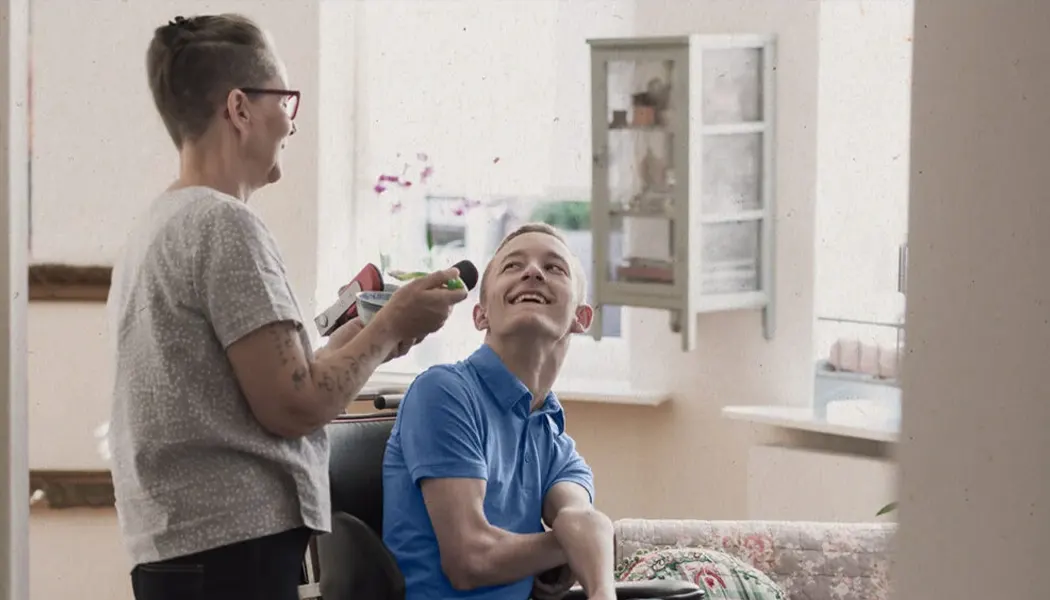
What is Motor Neuron Disease?
Motor Neuron Disease refers to a group of conditions that progressively affect the nerve cells controlling voluntary muscles.
Motor neurons are responsible for sending messages that allow us to perform movements such as:
Walking
Standing
Using the Hands
Speaking
Chewing
Swallowing
Breathing
There are two main groups of motor neurons involved in voluntary movement:
Upper Motor Neurons
These neurons carry signals from the brain to the spinal cord.
Lower Motor Neurons
These neurons carry signals from the spinal cord and brainstem directly to the muscles.
In motor neuron disease, damage may affect upper motor neurons, lower motor neurons, or both. As the condition progresses, the muscles receive fewer effective signals and may gradually become weak.
This can lead to:
Muscle Weakness
Muscle Stiffness
Muscle Twitching
Muscle Wasting
Difficulty Controlling Movement
Changes in Speech
Difficulty Swallowing
Breathing Difficulties
Motor neuron disease can affect people differently, and the rate and pattern of progression vary significantly between individuals.
Some recognised forms of MND include:
Amyotrophic Lateral Sclerosis (ALS)
ALS commonly involves both upper and lower motor neurons and may affect muscles in the arms, legs, speech, swallowing, and breathing.
Progressive Muscular Atrophy (PMA)
This form primarily affects lower motor neurons and may lead to progressive muscle weakness and wasting.
Primary Lateral Sclerosis (PLS)
PLS primarily affects upper motor neurons and can cause muscle stiffness, weakness, and difficulty with movement.
Progressive Bulbar Palsy
This form mainly affects muscles involved in speaking, chewing, and swallowing.
A specialist neurological assessment is required for accurate diagnosis because several other neurological and medical conditions can cause similar symptoms.
What Are The Symptoms Of Motor Neuron Disease?
Symptoms vary depending on which motor neurons and muscle groups are affected.
Progressive Muscle Weakness: Weakness may gradually worsen over time.
Weakness in the Hands: Difficulty gripping, writing, opening objects, or performing fine hand movements may occur.
Weakness in the Arms or Legs: Lifting, walking, climbing stairs, or getting up from a chair may become difficult.
Muscle Twitching: Small involuntary muscle movements, known as fasciculations, may occur.
Muscle Cramps: Painful or uncomfortable muscle cramps may develop.
Muscle Stiffness: Muscles may feel tight or difficult to move.
Spasticity: Increased muscle tone may make movements slower, stiffer, or more difficult.
Muscle Wasting: Muscles may gradually decrease in size due to loss of nerve supply.
Changes in Walking: Walking may become slower, unsteady, or more difficult.
Foot Drop: Weakness in muscles controlling the foot may cause the toes to drag while walking.
Difficulty with Balance: Reduced muscle control and weakness may increase the risk of falls.
Difficulty with Fine Movements: Tasks such as buttoning clothes, typing, writing, or handling small objects may become challenging.
Speech Changes: Speech may become slurred, quiet, slow, or difficult to understand.
Difficulty Swallowing: Swallowing food, liquids, or saliva may become difficult.
Drooling: Difficulty managing saliva may occur when muscles involved in swallowing are affected.
Breathing Difficulties: Weakness of respiratory muscles may cause shortness of breath, particularly during exertion or when lying down.
Fatigue: Everyday activities may require greater effort and lead to increased tiredness.
Symptoms may begin in different parts of the body and progress differently from one person to another.
What Are The Causes Of Motor Neuron Disease?
The exact cause of most cases of motor neuron disease is not fully understood. Research suggests that several factors may contribute.
Genetic Factors: Some forms of MND are associated with inherited genetic changes.
Family History: A small proportion of cases occur in families.
Changes in Motor Neuron Function: Abnormal processes within motor neurons may contribute to progressive nerve damage.
Protein Abnormalities: In some forms of MND, abnormal handling or accumulation of certain proteins may be involved.
Oxidative and Cellular Stress: Research has investigated whether cellular stress may contribute to motor neuron damage.
Inflammatory Processes: Changes involving the nervous system’s immune and inflammatory processes are also being studied.
Environmental Factors: Researchers continue to investigate possible environmental contributions, although the causes of most individual cases cannot be explained by one specific exposure.
In most cases, motor neuron disease is not caused by exercise, physical activity, or an injury.
Diagnosis Of Motor Neuron Disease
Medical History: A neurologist will ask about the onset and progression of weakness, muscle twitching, stiffness, speech changes, swallowing difficulties, breathing symptoms, and family history.
Neurological Examination: Muscle strength, reflexes, muscle tone, coordination, movement, and signs of upper and lower motor neuron involvement may be assessed.
Electromyography (EMG): EMG can assess electrical activity in muscles and may help identify evidence of nerve-related muscle changes.
Nerve Conduction Studies: These tests assess how electrical signals travel through peripheral nerves and can help evaluate other possible conditions.
Blood Tests: Blood tests may be used to investigate other conditions that can cause weakness or similar symptoms.
MRI: MRI of the brain or spinal cord may help rule out structural conditions causing symptoms.
Genetic Testing: Genetic testing may be considered in selected cases, particularly when there is a family history.
Respiratory Assessment: Breathing and respiratory muscle function may be monitored.
Swallowing Assessment: A specialist assessment may be required if swallowing difficulties are present.
Speech and Communication Assessment: Speech and language professionals may assess communication and provide supportive strategies.
Diagnosis can take time because specialists may need to rule out other neurological, muscular, and spinal conditions that can cause similar symptoms.
Treatment Of Motor Neuron Disease
There is currently no cure for most forms of motor neuron disease, but treatment and multidisciplinary care can help manage symptoms, support function, and improve quality of life.
Neurological Care: Regular follow-up with a neurologist helps monitor the condition and guide treatment.
Disease-Modifying Medication: Depending on the specific diagnosis and local medical availability, a neurologist may discuss medications that may help slow progression in certain forms of MND.
Physiotherapy: Physiotherapy may help maintain comfortable movement, mobility, flexibility, posture, and safe physical function.
Occupational Therapy: Occupational therapists can help with daily activities, hand function, equipment, home modifications, and independence.
Speech and Language Therapy: Support may be required for speech, communication, and swallowing difficulties.
Respiratory Care: Monitoring and treatment may be required when respiratory muscles become affected.
Nutritional Support: Dietetic guidance may be important when swallowing becomes difficult or maintaining adequate nutrition becomes challenging.
Mobility Aids: Canes, walkers, wheelchairs, orthoses, or other assistive devices may support safer movement and independence.
Management of Spasticity: A doctor may recommend medication or other treatments to manage significant muscle stiffness or spasms.
Pain and Symptom Management: Medical and rehabilitation strategies may help manage cramps, discomfort, stiffness, and other symptoms.
Psychological and Emotional Support: Counselling and support services can help individuals and families manage the emotional impact of a progressive neurological condition.
Palliative and Supportive Care: Supportive care can help manage symptoms and maintain comfort throughout different stages of the condition.
What Is The Physiotherapy Treatment Of Motor Neuron Disease
Detailed Functional Assessment: At Pure Physio, rehabilitation begins by assessing mobility, muscle strength, joint movement, posture, balance, fatigue, transfers, walking ability, respiratory function, and individual goals.
Maintaining Joint Mobility: Gentle range-of-motion exercises may help maintain comfortable movement and reduce the risk of stiffness.
Stretching Programme: Appropriate stretching may help manage muscle tightness and maintain flexibility.
Individualised Exercise: Exercise is carefully adapted according to current strength, fatigue levels, function, and medical guidance. The goal is to support physical function without excessive overexertion.
Strength and Functional Training: Suitable low-to-moderate intensity exercises may be used where appropriate to maintain functional capacity.
Energy Conservation Strategies: Guidance may help individuals plan and pace activities to reduce unnecessary fatigue.
Balance and Mobility Training: Exercises may help support safe standing, walking, turning, and transfers while appropriate.
Gait Training: Physiotherapy may address changes in walking and help determine when mobility aids or orthoses could improve safety.
Fall Prevention: Assessment and practical strategies may help reduce the risk of falls.
Postural Management: Positioning strategies and appropriate support may help improve comfort and reduce prolonged pressure or abnormal postures.
Transfer Training: Guidance may be provided for getting in and out of bed, chairs, and other positions as safely as possible.
Respiratory Physiotherapy: Where clinically appropriate, physiotherapy may support breathing assessment, chest mobility, secretion management, and respiratory function in coordination with the medical team.
Assistive Device Guidance: Physiotherapists may recommend or train individuals in the safe use of appropriate mobility and support equipment.
Caregiver Education: Family members and caregivers may receive guidance on safe assistance, positioning, transfers, and mobility support.
Home Exercise Programme: A personalised and regularly reviewed programme may help maintain mobility and function while adapting to changing needs.
Because MND is progressive, physiotherapy goals are regularly reviewed and adjusted as the person’s strength, mobility, symptoms, and functional needs change.
Why Choose Pure Physio?
Individualised Neurological Rehabilitation: We adapt rehabilitation according to your current abilities, symptoms, fatigue levels, mobility, and personal goals.
Focus on Maintaining Function: Our approach aims to support comfortable movement, mobility, independence, and participation in meaningful daily activities for as long as possible.
Progressive and Flexible Care: As needs change, rehabilitation strategies and goals can be adjusted accordingly.
Safe Exercise Guidance: Exercises are selected carefully to support physical function while considering weakness, fatigue, and overall capacity.
Mobility and Fall Prevention Focus: We provide support for walking, balance, transfers, positioning, and the appropriate use of mobility aids.
Support for Everyday Independence: Rehabilitation focuses on practical goals such as getting around the home, transferring safely, managing daily activities, and maintaining participation.
Family and Caregiver Guidance: Where appropriate, we provide practical education to help family members and caregivers support safe movement and positioning.
Multidisciplinary Care Approach: Motor neuron disease often requires coordinated care involving neurologists, physiotherapists, occupational therapists, speech and language therapists, respiratory specialists, dietitians, nurses, and other healthcare professionals.
Long-Term Rehabilitation Support: Our care can evolve with changing needs, focusing on comfort, safety, function, and quality of life at every stage of rehabilitation.
Start Your Recovery Journey Today
Don’t let pain, stiffness, or reduced mobility affect your daily life. Get personalised physiotherapy care designed around your condition and recovery goals.