Migraine
Reduce the impact of migraine and improve everyday comfort with personalised physiotherapy and lifestyle support.
Contents
Take the First Step Towards Better Movement
Our experienced physiotherapists are here to help you improve mobility, regain strength, and move with greater comfort and confidence.
What is Migraine?
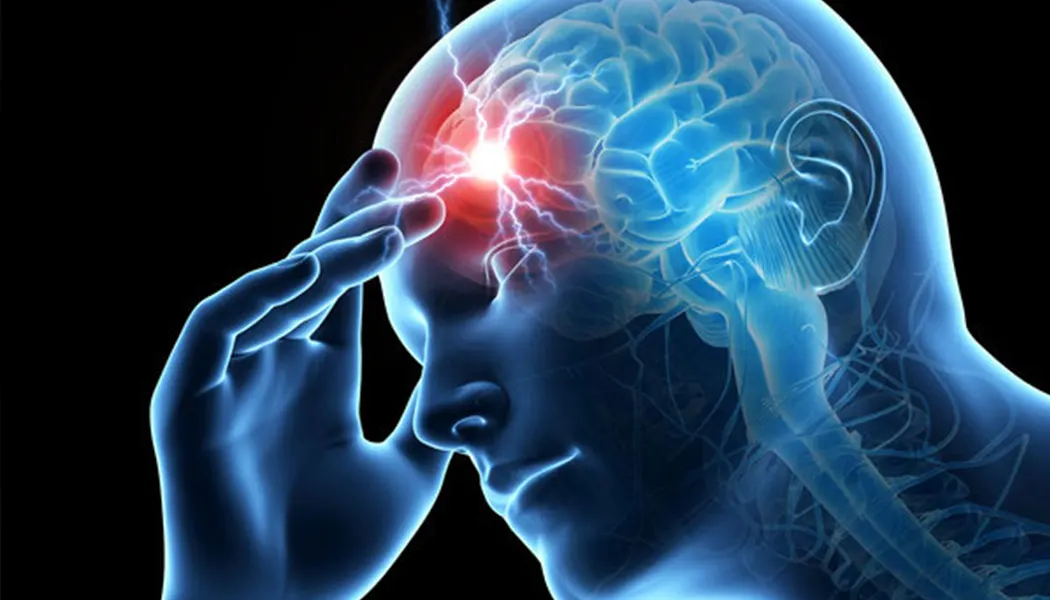
Migraine is a common neurological condition that can cause recurrent attacks of moderate to severe headache along with symptoms such as nausea, sensitivity to light or sound, and, in some people, visual or sensory disturbances known as an aura. Migraine symptoms and triggers vary significantly from person to person and can affect work, sleep, exercise, and everyday activities. At Pure Physio, physiotherapy may help people who experience associated neck pain, muscle tension, movement-related discomfort, or musculoskeletal factors, as part of an overall migraine management plan. Persistent or severe migraines should be assessed and managed by an appropriate healthcare professional.
A migraine attack may occur in different phases:
Prodrome: Early symptoms may occur before the headache.
Aura: Some people experience temporary visual, sensory, speech, or other neurological symptoms.
Headache Phase: Moderate to severe headache and associated symptoms may occur.
Postdrome: Tiredness or other symptoms may continue after the headache improves.
Not everyone experiences every phase.
Migraine can occur:
With Aura
Without Aura
There are also several other migraine types.
What Are The Symptoms Of Migraine?
Migraine symptoms can vary from person to person and from one attack to another. The most common symptom is a moderate to severe headache, often described as throbbing or pulsating and sometimes affecting one side of the head, although it can affect both sides. The pain may worsen with routine physical activity and can be accompanied by nausea, vomiting, sensitivity to light, sensitivity to sound, or sensitivity to smells. Some people experience an aura before or during a migraine, which may include flashing lights, zigzag patterns, blind spots, tingling or numbness, or temporary difficulty with speech. Other symptoms may include tiredness, difficulty concentrating, dizziness, neck pain, and changes in mood. Some people experience early warning symptoms such as yawning, food cravings, fatigue, or irritability before an attack and may feel exhausted or mentally slowed after it resolves.
What Are The Causes Of Migraine?
The exact cause of migraine is not completely understood. It is believed to involve changes in brain activity and the nervous system, with genetic factors playing an important role.
Common factors that may trigger an attack in some people include:
Stress
Poor or Disrupted Sleep
Hormonal Changes
Skipping Meals
Dehydration
Alcohol
Certain Foods or Drinks
Bright or Flickering Lights
Strong Smells
Changes in Routine
Weather Changes
Excessive Caffeine or Caffeine Withdrawal
Triggers are individual, and a factor that causes migraine in one person may not affect another.
Diagnosis Of Migraine
Medical History: A healthcare professional will discuss your headaches, symptoms, frequency, duration, triggers, family history, and medical background.
Headache Pattern Assessment: The location, intensity, duration, and associated symptoms of headaches are reviewed.
Neurological Examination: Muscle strength, sensation, coordination, reflexes, balance, and other neurological functions may be assessed.
Headache Diary: Keeping a record of migraine attacks, symptoms, possible triggers, and treatments may help identify patterns.
Physical Examination: Your neck, posture, and musculoskeletal system may be assessed when relevant symptoms are present.
MRI or CT Scan: Imaging is not routinely required for typical migraine but may be recommended when symptoms are unusual or there are warning signs suggesting another cause.
Specialist Assessment: A neurologist or headache specialist may be involved when migraines are frequent, severe, difficult to manage, or the diagnosis is uncertain.
Treatment Of Migraine
Medication: A healthcare professional may recommend medicines to treat migraine attacks or reduce the frequency of future attacks.
Trigger Management: Identifying personal triggers may help some people reduce the likelihood of attacks.
Regular Sleep: Maintaining a consistent sleep routine may support migraine management.
Hydration: Regular fluid intake can help avoid dehydration as a potential trigger.
Regular Meals: Avoiding prolonged gaps between meals may help some people.
Stress Management: Relaxation strategies and appropriate stress-management techniques may be beneficial.
Physical Activity: Regular, appropriate exercise may support overall health and migraine management for some individuals.
Physiotherapy: Physiotherapy may help manage associated neck pain, muscle tension, reduced neck movement, or other musculoskeletal factors where relevant.
Neck and Postural Rehabilitation: Exercises may be used to improve neck movement, strength, and posture when clinically appropriate.
Manual Therapy: Selected hands-on treatment may be considered for associated musculoskeletal symptoms where appropriate.
Exercise Programme: An individualised programme may support general fitness, movement, and physical wellbeing.
Lifestyle Guidance: Advice regarding sleep, activity, hydration, meals, and pacing may form part of a broader management plan.
Specialist Care: People with frequent or severe migraines may benefit from assessment by a neurologist or headache specialist.
What Is The Physiotherapy Treatment Of Migraine
Detailed Assessment: At Pure Physio, we assess neck movement, posture, muscle tension, strength, physical activity, and musculoskeletal symptoms that may contribute to or accompany your headaches.
Individualised Treatment Plan: Your programme is tailored according to your symptoms, physical findings, activity levels, and overall migraine management plan.
Neck Mobility Exercises: Carefully selected exercises may help improve comfortable movement when neck stiffness is present.
Neck Strengthening: Progressive exercises can improve the strength and endurance of muscles supporting the head and neck.
Postural Training: Treatment may address movement and postural habits that contribute to neck discomfort.
Upper Back Mobility: Exercises may help improve movement through the thoracic spine when restrictions are present.
Shoulder and Scapular Strengthening: Targeted exercises can support the muscles around the shoulders and upper back.
Muscle Relaxation Techniques: Breathing, relaxation, and gentle movement strategies may help reduce associated muscle tension.
Manual Therapy: Appropriate hands-on techniques may be used to address musculoskeletal restrictions or discomfort when clinically suitable.
Physical Activity Guidance: We provide guidance on gradually developing a suitable and consistent exercise routine.
Activity Pacing: Advice may help you manage physical activity during and between migraine episodes.
Home Exercise Programme: A personalised programme supports neck movement, strength, posture, and general physical activity between appointments.
Progress Monitoring: Your treatment is regularly reviewed and adjusted according to your symptoms, physical findings, function, and goals.
Why Choose Pure Physio?
Comprehensive Assessment: We assess neck movement, posture, strength, muscle tension, physical activity, and associated musculoskeletal symptoms.
Personalised Treatment Plans: Your rehabilitation is tailored according to your symptoms, physical findings, lifestyle, and functional goals.
Address Associated Neck Symptoms: Treatment can help manage relevant neck pain, stiffness, and movement limitations.
Improve Movement and Strength: Targeted exercises support neck, shoulder, and upper-back function.
Postural and Movement Guidance: Practical strategies help improve comfortable movement during everyday activities.
Support Physical Activity: We provide guidance on building and maintaining appropriate physical activity.
Individualised Exercise Progression: Exercises are adapted according to your symptoms and physical response.
Home Exercise Guidance: You receive a personalised programme to support ongoing rehabilitation.
Regular Progress Monitoring: Your treatment is reviewed and adjusted according to changes in symptoms and function.
Integrated Care Approach: We work alongside doctors, neurologists, and other healthcare professionals when appropriate.
Focused on Everyday Function: Our goal is to help manage associated musculoskeletal symptoms, improve physical comfort and function, and support your overall migraine management plan.
Start Your Recovery Journey Today
Don’t let pain, stiffness, or reduced mobility affect your daily life. Get personalised physiotherapy care designed around your condition and recovery goals.