
Metatarsalgia
Reduce forefoot pain, improve foot strength, and walk with greater comfort through personalised physiotherapy for Metatarsalgia.
Contents
Take the First Step Towards Better Movement
Our experienced physiotherapists are here to help you improve mobility, regain strength, and move with greater comfort and confidence.
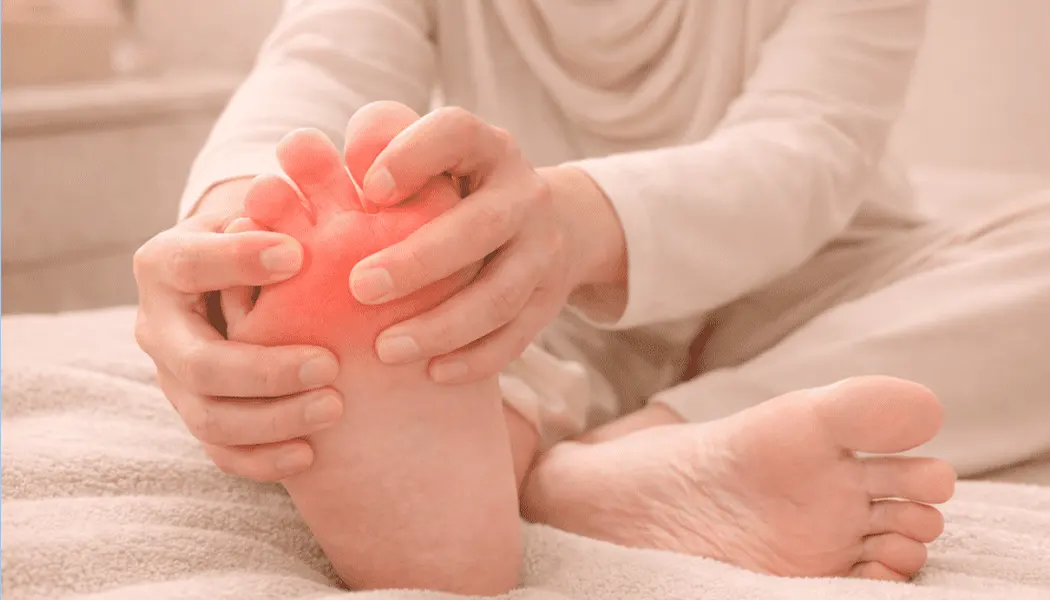
What is Metatarsalgia?
Metatarsalgia refers to pain in the forefoot, specifically the area around the heads of the metatarsal bones, commonly known as the ball of the foot.
Each foot has five metatarsal bones. Their heads are located near the base of the toes and carry significant loads during activities such as:
Standing
Walking
Running
Jumping
During movement, body weight is transferred through the forefoot before the foot pushes off the ground.
When one or more areas of the forefoot experience excessive or repeated pressure, the tissues can become painful and irritated.
Metatarsalgia is a symptom-based term, meaning it describes the location of pain rather than one single disease. Different conditions or mechanical factors can contribute to pain in this area.
The condition may affect:
One Metatarsal Head
Several Areas of the Forefoot
One Foot or Both Feet
Accurate assessment is important because other conditions, including stress fractures, nerve problems, arthritis, or joint disorders, can cause similar symptoms.
What Are The Symptoms Of Metatarsalgia?
Common Symptoms
Pain in the Ball of the Foot: Pain is usually felt beneath the forefoot near the bases of the toes.
Sharp or Aching Pain: The discomfort may feel sharp, aching, or sore.
Burning Sensation: Some people experience a burning feeling in the forefoot.
Pain During Walking: Symptoms may increase when pushing off the foot.
Pain During Standing: Prolonged standing can increase pressure and discomfort.
Pain During Running or Exercise: High-impact activities may worsen symptoms.
Other Possible Symptoms
Feeling of Walking on a Pebble: Some people describe a sensation of having a small stone or object under the foot.
Pain When Barefoot: Walking without cushioned or supportive footwear may increase discomfort.
Pain in Certain Shoes: Tight, narrow, high-heeled, or poorly cushioned shoes may aggravate symptoms.
Tenderness: The ball of the foot may feel painful when pressure is applied.
Pain Around the Toes: Discomfort may spread towards one or more toes.
Numbness or Tingling: These symptoms may occur if there is associated nerve irritation.
Callus Formation: Thickened skin may develop in areas exposed to repeated pressure.
Reduced Walking Tolerance: Pain may make it difficult to walk or stand for long periods.
Changes in Walking Pattern: You may alter the way you walk to avoid pressure on the painful area.
What Are The Causes Of Metatarsalgia?
Metatarsalgia can develop when excessive pressure or repeated loading affects the forefoot.
Repetitive High-Impact Activity: Running, jumping, and other activities can repeatedly load the ball of the foot.
Sudden Increase in Activity: Rapidly increasing exercise, walking, or running may overload the forefoot.
Poorly Fitting Footwear: Shoes that are tight, narrow, high-heeled, or lack adequate cushioning can increase pressure.
High-Heeled Shoes: Elevating the heel shifts more body weight towards the forefoot.
Foot Shape and Mechanics: Individual differences in foot structure can alter how pressure is distributed.
High Foot Arch: A higher arch may concentrate pressure on specific areas of the foot.
Flat Feet: Changes in foot mechanics may contribute to altered loading of the forefoot.
Toe Deformities: Conditions affecting toe alignment can change pressure distribution.
Calf Tightness: Restricted ankle movement may increase pressure through the forefoot during walking.
Previous Foot Injury: Injury or surgery may alter normal foot loading.
Stress Fractures: Repetitive loading can cause bone stress injuries that may initially present as forefoot pain.
Higher Body Weight: Increased body load may increase pressure through the feet.
Inflammatory Arthritis: Joint inflammation may contribute to pain in the forefoot.
Diagnosis Of Metatarsalgia
Medical History: A healthcare professional will ask about the location and pattern of pain, activity levels, footwear, previous injuries, and factors that worsen or relieve symptoms.
Physical Examination: The foot is assessed for tenderness, swelling, calluses, toe alignment, and other structural changes.
Foot Posture Assessment: Arch position and foot alignment may be assessed during standing.
Walking Assessment: Your walking pattern and foot loading may be evaluated.
Range of Motion Assessment: Movement of the ankle, foot, and toes is assessed.
Strength Testing: The muscles of the foot, ankle, and lower limb may be evaluated.
Pressure and Loading Assessment: Areas exposed to increased pressure may be identified through clinical assessment.
Footwear Assessment: Shoe fit, shape, cushioning, and wear patterns may be considered.
X-Rays: X-rays may be used to identify fractures, arthritis, or other bone changes.
Ultrasound: Ultrasound may help assess selected soft-tissue conditions.
MRI Scan: MRI may be used when stress fractures, soft-tissue injuries, or other conditions are suspected.
Because forefoot pain can have several causes, an accurate diagnosis is important before starting treatment.
Treatment Of Metatarsalgia
Treatment depends on the underlying cause and contributing factors.
Activity Modification: Temporarily reducing activities that significantly increase pain can help manage symptoms.
Footwear Modification: Choosing shoes with appropriate space, cushioning, and comfort may help reduce forefoot pressure.
Avoiding Excessively High Heels: Reducing time spent in high-heeled footwear may decrease pressure on the ball of the foot.
Orthoses or Insoles: Insoles, cushioning, or metatarsal pads may be recommended in selected cases to improve comfort and redistribute pressure.
Pain Management: Appropriate medication may be recommended by a healthcare professional when required.
Physiotherapy: A structured rehabilitation programme can help improve mobility, strength, foot control, and lower-limb movement.
Calf Mobility Exercises: Improving appropriate ankle movement may help reduce excessive loading through the forefoot.
Progressive Strengthening: Strengthening the foot, ankle, and lower limb can improve support and movement control.
Weight Management: Maintaining a healthy body weight may help reduce load through the feet when appropriate.
Treatment of Underlying Conditions: Arthritis, stress fractures, nerve problems, or other contributing conditions may require specific treatment.
Medical or Specialist Referral: Persistent pain, significant swelling, suspected fracture, or symptoms that do not improve may require further assessment.
Injection Treatment: In selected cases, a healthcare professional may consider injections depending on the underlying diagnosis.
Surgery: Surgery is rarely required for uncomplicated metatarsalgia but may be considered when an underlying structural problem requires correction.
What Is The Physiotherapy Treatment Of Metatarsalgia
Detailed Assessment: At Pure Physio, we assess your pain, foot posture, walking pattern, ankle and toe movement, muscle strength, balance, footwear, activity demands, and functional limitations.
Individualised Rehabilitation Programme: Your treatment is tailored according to your symptoms, contributing factors, activity level, lifestyle, and recovery goals.
Pain Management Strategies: Appropriate treatment and exercise selection may help manage discomfort and reduce unnecessary irritation.
Activity and Load Management: We provide guidance on adjusting standing, walking, running, or exercise to allow symptoms to settle while maintaining appropriate activity.
Foot Mobility Exercises: Controlled exercises help maintain or improve movement in the foot and toes.
Toe Mobility Exercises: Targeted exercises may improve comfortable movement of the toes.
Ankle Mobility Exercises: Carefully selected exercises help improve functional ankle movement.
Calf Flexibility Exercises: Stretching or mobility work may help address calf tightness and restricted ankle movement.
Intrinsic Foot Muscle Training: Exercises help strengthen the small muscles within the foot.
Foot Strengthening Exercises: Targeted exercises improve foot support and control during weight-bearing activities.
Toe Strengthening: Exercises may improve strength and control around the toes.
Ankle and Calf Strengthening: Progressive exercises support lower-limb strength for standing, walking, and pushing off.
Hip and Gluteal Strengthening: Targeted exercises help improve overall lower-limb strength and movement control.
Balance and Proprioception Training: Exercises improve foot and ankle awareness, stability, and confidence.
Walking Retraining: We assess and guide movement patterns to support more comfortable and efficient walking.
Movement Retraining: Therapy may address lower-limb control during standing, walking, squatting, running, and other activities.
Footwear Guidance: Practical advice can help you choose footwear based on fit, comfort, cushioning, and activity demands.
Orthotic and Metatarsal Pad Guidance: When appropriate, we provide guidance on using recommended insoles, orthoses, or pads as part of your overall management plan.
Gradual Return to Activity: Walking, running, exercise, and other activities are progressively increased according to symptoms and functional improvement.
Functional Strength Training: Rehabilitation progresses towards activities relevant to your work, lifestyle, and daily movement.
Home Exercise Programme: A personalised programme supports continued mobility, strengthening, and recovery between appointments.
Progress Monitoring: Your rehabilitation is regularly reviewed and adjusted according to pain, movement, strength, walking tolerance, and functional progress.
Why Choose Pure Physio?
Comprehensive Forefoot Assessment: We assess pain location, foot posture, movement, strength, walking patterns, footwear, activity demands, and functional limitations.
Personalised Rehabilitation Plans: Your programme is tailored according to your symptoms, contributing factors, lifestyle, activity demands, and personal goals.
Identify Contributing Factors: We assess factors that may increase forefoot pressure and discomfort.
Improve Foot and Ankle Mobility: Carefully selected exercises help restore comfortable movement.
Build Foot and Lower-Limb Strength: Progressive rehabilitation targets the foot, ankle, calf, hips, and other muscles supporting movement.
Improve Foot Control: Targeted exercises help improve strength and active control during standing and walking.
Walking and Movement Retraining: We help improve movement patterns to support more comfortable and efficient daily activity.
Footwear Guidance: Practical advice helps you make informed decisions about shoe fit, comfort, cushioning, and support.
Orthotic Support Guidance: When recommended, we provide guidance on using insoles or metatarsal pads as part of a broader management plan.
Activity Management Support: We provide guidance on progressing standing, walking, running, exercise, and other activities according to symptoms.
Functional Recovery Focus: Therapy targets meaningful activities such as standing, walking, exercising, and participating in everyday life.
Safe Exercise Progression: Your programme is adjusted according to symptoms, strength, mobility, walking tolerance, and functional improvement.
Home Exercise Guidance: You receive a personalised programme to support consistent progress outside your appointments.
Regular Progress Monitoring: Your rehabilitation is reviewed and adapted according to changes in pain, movement, strength, walking ability, and function.
Integrated Care Approach: We work alongside doctors, podiatrists, orthopaedic specialists, and other healthcare professionals when required.
Focused on Long-Term Foot Health: Our goal is to reduce discomfort, improve strength and mobility, support better foot function, and help you move comfortably and confidently.
Start Your Recovery Journey Today
Don’t let pain, stiffness, or reduced mobility affect your daily life. Get personalised physiotherapy care designed around your condition and recovery goals.