Meralgia Paresthetica
Experiencing burning, tingling, or numbness on the outer thigh? Get a personalised assessment at Pure Physio and take the next step towards better comfort and movement.
Contents
Take the First Step Towards Better Movement
Our experienced physiotherapists are here to help you improve mobility, regain strength, and move with greater comfort and confidence.
What is Meralgia Paresthetica?
Meralgia Paresthetica is a nerve-related condition involving the lateral femoral cutaneous nerve (LFCN). This nerve travels from the lower part of the spine and pelvis towards the outer part of the thigh, carrying sensory information from the skin to the brain.
The nerve passes through the pelvic and groin region, including near the inguinal ligament. If the nerve becomes compressed, irritated, or trapped along its pathway, abnormal sensations may develop in the area it supplies.
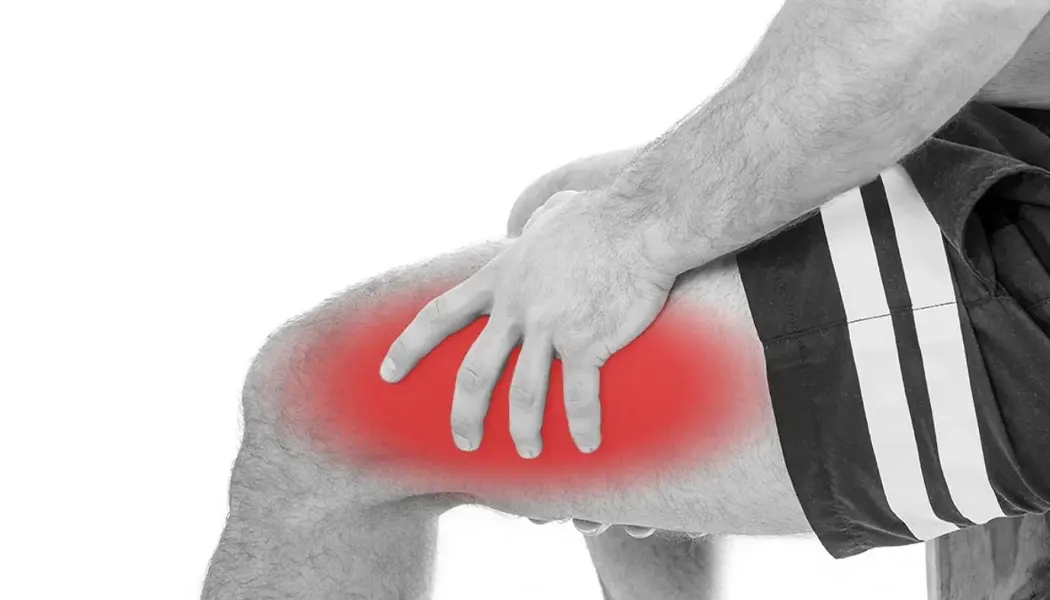
Meralgia Paresthetica typically affects the outer and upper part of the thigh. Depending on the individual, symptoms may extend across a larger area of the outer thigh.
Unlike some other nerve conditions, Meralgia Paresthetica usually does not directly cause weakness in the leg muscles, because the lateral femoral cutaneous nerve is primarily a sensory nerve. However, pain or altered sensation can make standing, walking, exercising, or wearing certain clothing uncomfortable.
Symptoms may develop gradually or appear after a change that increases pressure around the groin or hip region. A proper assessment is important because thigh symptoms can also be caused by conditions involving the lower back, hip, or other nerves.
What Are The Symptoms Of Meralgia Paresthetica?
Burning Pain: A burning or hot sensation may develop over the outer or upper part of the thigh.
Tingling or Pins and Needles: The affected area may feel as though it is tingling, prickling, or buzzing.
Numbness: Some individuals experience reduced sensation or an area of numbness on the outer thigh.
Increased Skin Sensitivity: Light touch, clothing, or pressure against the skin may feel unusually uncomfortable or painful.
Sharp or Shooting Sensations: Some people experience brief sharp, electric, or shooting sensations.
Pain on the Outer Thigh: Symptoms are generally localised to the area supplied by the lateral femoral cutaneous nerve.
Symptoms During Standing or Walking: Prolonged standing or walking may aggravate symptoms in some individuals.
Discomfort Around the Hip or Groin Region: Certain movements or positions that increase pressure around the nerve may contribute to symptoms.
Symptoms on One Side: Meralgia Paresthetica commonly affects one thigh, although symptoms can occasionally occur on both sides.
What Are The Causes Of Meralgia Paresthetica?
Tight Clothing: Tight belts, waistbands, shapewear, or clothing that places pressure around the groin or upper pelvis may compress the nerve.
Increased Body Weight: Additional pressure around the pelvis and inguinal region may contribute to nerve compression in some individuals.
Pregnancy: Changes in body shape and increased pressure around the pelvis can contribute to symptoms during pregnancy.
Prolonged Pressure Around the Groin: Equipment, belts, uniforms, or repeated pressure around the waist and hip region may irritate the nerve.
Repetitive Hip Movements: Certain repetitive movements or activities may contribute to irritation in susceptible individuals.
Previous Surgery or Injury: Scar tissue, swelling, or changes following surgery or trauma near the pelvis, hip, or groin may affect the nerve.
Prolonged Standing or Walking: Long periods in positions that repeatedly aggravate the nerve may increase symptoms in some people.
Diabetes and Other Medical Conditions: Certain conditions that affect nerve health may increase susceptibility to nerve-related symptoms.
Hip or Pelvic Abnormalities: Structural or movement-related factors around the pelvis and hip may contribute to nerve irritation in some cases.
Idiopathic Causes: In some individuals, no clear cause of the nerve irritation can be identified.
Diagnosis Of Meralgia Paresthetica
Medical History: A healthcare professional will ask where your symptoms occur, how they feel, when they began, what makes them worse or better, and whether you have experienced previous injuries, surgery, or medical conditions.
Physical Examination: The thigh, hip, pelvis, and lower back may be assessed to identify the pattern of symptoms and possible contributing factors.
Sensory Assessment: The affected area may be tested for changes in sensation, including numbness, tingling, or increased sensitivity.
Movement Assessment: Hip and lower back movement may be assessed to determine whether certain positions reproduce or influence symptoms.
Nerve Compression Tests: Specific clinical tests may be used to assess whether pressure or movement around the inguinal region reproduces the characteristic symptoms.
Muscle Strength Assessment: Leg strength may be assessed to help differentiate Meralgia Paresthetica from other nerve conditions that affect motor function.
Neurological Examination: A healthcare professional may assess reflexes, sensation, and other neurological signs when necessary.
Imaging: X-rays, ultrasound, MRI, or other imaging tests may be considered in selected cases if another cause of symptoms needs to be investigated.
Nerve Studies: Nerve conduction studies or other electrodiagnostic tests may be considered when the diagnosis is unclear or another nerve condition is suspected.
Diagnostic Nerve Block: In selected cases, a qualified medical specialist may use a local anaesthetic nerve block to help confirm whether the lateral femoral cutaneous nerve is responsible for symptoms.
Treatment Of Meralgia Paresthetica
Reducing External Pressure: Looser clothing and avoiding tight belts or waistbands may help reduce pressure around the affected nerve.
Activity Modification: Temporarily modifying activities or positions that consistently aggravate symptoms may help manage irritation.
Weight Management: Where appropriate, gradual weight management may help reduce contributing pressure around the pelvis and groin.
Physiotherapy: A personalised physiotherapy programme may help address relevant movement restrictions, muscle tightness, posture, and physical factors contributing to symptoms.
Exercise Rehabilitation: Carefully selected exercises may help improve hip and pelvic mobility, strength, movement control, and overall physical function.
Pain Management: A qualified healthcare professional may recommend appropriate medication or other treatment to help manage persistent nerve-related pain.
Treatment of Underlying Conditions: Conditions contributing to nerve irritation, such as diabetes or other relevant health issues, should be appropriately managed by a healthcare professional.
Nerve Block Injection: In selected cases, a qualified pain management specialist may consider an injection around the affected nerve to help diagnose or manage symptoms.
Other Specialist Treatments: Additional interventions may be considered for persistent symptoms that do not respond to conservative treatment.
Surgical Treatment: Surgery to release or decompress the nerve is rarely considered and is generally reserved for selected cases with persistent symptoms after specialist assessment.
What Is The Physiotherapy Treatment Of Meralgia Paresthetica
Detailed Physiotherapy Assessment: At Pure Physio, treatment begins with understanding your symptoms, their location and pattern, hip and lower-back movement, posture, activity demands, and potential factors contributing to nerve irritation.
Identifying Aggravating Factors: We assess everyday factors such as sitting, standing, walking, exercise, work activities, clothing pressure, and movement patterns that may influence your symptoms.
Hip and Pelvic Mobility: Carefully selected mobility exercises may help address relevant movement restrictions around the hips and pelvis.
Soft Tissue Treatment: Where appropriate, hands-on techniques may be used to address muscle tightness or soft tissue restrictions around relevant areas.
Posture and Movement Education: You may receive guidance regarding positions, movement habits, and activity modifications that can help reduce unnecessary irritation.
Hip and Core Strengthening: Progressive strengthening exercises may help improve the capacity and control of muscles supporting the pelvis, hips, and trunk.
Gradual Activity Progression: Walking, standing, exercise, and other activities may be gradually progressed according to your symptoms and physical tolerance.
Neural Mobility Exercises: Where clinically appropriate, carefully selected nerve mobility techniques may be included as part of an individualised rehabilitation programme.
Pain Management Strategies: Your physiotherapist may provide practical strategies to help manage symptoms and maintain appropriate levels of activity.
Home Exercise Programme: You may receive a personalised programme of mobility, strengthening, and self-management exercises to continue between physiotherapy sessions.
Why Choose Pure Physio?
Detailed Individual Assessment: We assess your symptoms, sensation, movement, posture, activity levels, and potential contributing factors to develop an appropriate rehabilitation plan.
Personalised Treatment Plans: Every patient’s symptoms and contributing factors are different. Your programme is tailored according to your individual condition and functional goals.
Focus on Identifying Contributing Factors: We look beyond the symptoms to assess relevant movement, lifestyle, physical, and activity-related factors that may influence nerve irritation.
Movement-Based Rehabilitation: Our approach may include appropriate mobility, strengthening, movement training, and gradual activity progression.
Practical Everyday Guidance: We provide personalised guidance regarding activities, movement habits, and other factors that may help reduce unnecessary symptom aggravation.
Integrated Care Approach: Where symptoms require further medical investigation or specialist treatment, appropriate referral and coordination with healthcare professionals can form part of the overall care pathway.
Focus on Long-Term Function: Our goal is to help suitable patients improve comfort, confidence in movement, and the ability to participate in everyday activities, exercise, and work.
Start Your Recovery Journey Today
Don’t let pain, stiffness, or reduced mobility affect your daily life. Get personalised physiotherapy care designed around your condition and recovery goals.