
Median Nerve Injury
Get a personalised assessment at Pure Physio to support nerve recovery, hand function, strength, and everyday independence.
Contents
Take the First Step Towards Better Movement
Our experienced physiotherapists are here to help you improve mobility, regain strength, and move with greater comfort and confidence.
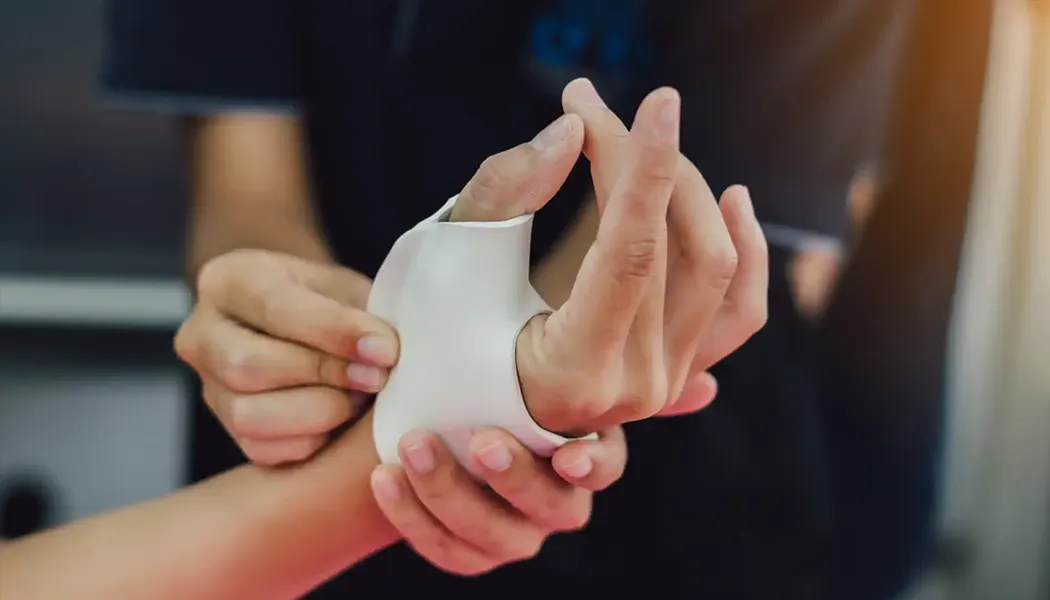
What is Median Nerve Injury?
The median nerve is one of the major nerves of the upper limb. It originates from the brachial plexus, a network of nerves that begins near the neck, and travels through the arm and forearm before passing through the carpal tunnel at the wrist into the hand.
The median nerve has both sensory and motor functions.
Sensory Functions
The median nerve provides sensation to parts of the:
Palm-Side of the Thumb
Index Finger
Middle Finger
Part of the Ring Finger
Thumb-Side Area of the Palm
Motor Functions
The median nerve helps control several muscles in the forearm and hand that are involved in:
Wrist and Finger Movement
Thumb Opposition
Thumb Abduction
Fine Hand Movements
Grip and Pinch Activities
A median nerve injury can occur at different levels, including the upper arm, elbow region, forearm, wrist, or hand.
The symptoms depend on where the nerve is affected. For example, an injury closer to the upper arm may affect more muscles and areas of sensation, while an injury at the wrist may mainly affect hand sensation and thumb function.
Carpal Tunnel Syndrome is a common example of median nerve compression at the wrist. However, a median nerve injury can also occur because of trauma, cuts, fractures, stretching injuries, or compression at other locations.
A proper medical and neurological assessment is important to determine the location and severity of the nerve injury.
What Are The Symptoms Of Median Nerve Injury?
Symptoms vary depending on the level and severity of nerve involvement.
Numbness: Reduced sensation may occur in the thumb, index finger, middle finger, and part of the ring finger.
Tingling or Pins and Needles: Tingling sensations may occur in areas supplied by the median nerve.
Burning or Nerve Pain: Some people experience burning, shooting, or electric-like pain.
Reduced Sensation: It may become more difficult to feel touch, temperature, or other sensations in the affected fingers.
Hand Weakness: Weakness may affect gripping, pinching, or other hand movements.
Difficulty with Thumb Opposition: It may become difficult to move the thumb across the palm to touch the fingertips.
Reduced Fine Motor Control: Activities requiring precise hand movements may become more difficult.
Difficulty Holding Objects: Reduced sensation or weakness may cause objects to slip from the hand.
Reduced Grip Strength: Depending on the location of the injury, gripping strength may be affected.
Difficulty with Pinching: Picking up small objects, turning keys, fastening buttons, or opening packaging may become difficult.
Thumb Muscle Wasting: In more severe or long-standing cases, the muscles at the base of the thumb may become smaller.
Forearm Weakness: A higher-level median nerve injury may affect muscles involved in forearm and finger movement.
Difficulty Making Certain Hand Movements: Severe injuries may affect the ability to flex specific fingers or perform other complex movements.
Difficulty with Everyday Activities: Typing, writing, cooking, dressing, using a phone, lifting objects, or performing work tasks may become challenging.
What Are The Causes Of Median Nerve Injury?
Trauma: A fall, direct blow, crush injury, or other trauma may damage the nerve.
Cuts or Lacerations: Deep cuts to the arm, forearm, or wrist may directly injure the median nerve.
Fractures: Fractures near the upper arm, elbow, forearm, or wrist may damage or compress the nerve.
Dislocations: Joint dislocations can stretch or compress nearby nerves.
Compression: Prolonged or repeated pressure on the nerve may lead to nerve irritation or injury.
Carpal Tunnel Compression: Increased pressure within the carpal tunnel can compress the median nerve at the wrist.
Repetitive Activities: Repeated hand, wrist, or forearm movements may contribute to symptoms in some individuals.
Stretching Injury: Sudden or excessive stretching of the arm may injure the nerve.
Swelling: Local swelling following injury or inflammation may increase pressure around the nerve.
Scar Tissue: Scar formation after injury or surgery may affect nerve movement or function.
Tumours or Abnormal Growths: Rarely, masses near the nerve may cause compression.
Medical or Surgical Complications: In some cases, nerve injury can occur in association with medical procedures or surgery.
Diagnosis Of Median Nerve Injury
Medical History: A healthcare professional will ask about the onset of symptoms, previous injuries, repetitive activities, pain, numbness, weakness, and changes in hand function.
Physical Examination: The arm, forearm, wrist, and hand are examined for movement, strength, muscle changes, and sensory abnormalities.
Sensory Testing: Areas supplied by the median nerve may be tested for reduced or altered sensation.
Motor Function Assessment: Muscles controlled by the median nerve may be assessed for weakness.
Thumb Function Assessment: Thumb opposition, abduction, and fine hand movements may be evaluated.
Grip and Pinch Strength Testing: Functional hand strength may be assessed where appropriate.
Nerve Provocation Tests: Specific tests may help identify areas where the median nerve is compressed or irritated.
Nerve Conduction Studies: Nerve conduction testing can help assess how well electrical signals travel through the nerve.
Electromyography (EMG): EMG may help assess the function of muscles and identify the level or severity of nerve involvement.
Ultrasound: Ultrasound may be used in selected cases to assess the nerve and surrounding structures.
MRI: MRI may be considered when a structural injury, mass, or other cause of nerve compression is suspected.
X-Ray: X-rays may be required when a fracture or bony injury is suspected.
Treatment Of Median Nerve Injury
Treatment depends on the cause, location, and severity of the injury.
Medical Assessment: Significant weakness, persistent numbness, or symptoms following trauma should be assessed by an appropriate healthcare professional.
Activity Modification: Temporarily modifying activities that significantly aggravate symptoms may help reduce further irritation.
Splinting: A brace or splint may be recommended in selected cases to support the wrist or hand and reduce stress on the nerve.
Physiotherapy: A personalised rehabilitation programme may help suitable patients improve mobility, strength, function, and independence.
Nerve Mobility Exercises: Carefully selected nerve mobility exercises may be used when clinically appropriate.
Pain Management: A qualified healthcare professional may recommend medication or other treatments to manage pain.
Scar Management: Where relevant, treatment may address scar mobility following injury or surgery.
Hand Rehabilitation: Exercises and functional activities may help improve grip, pinch strength, thumb movement, and fine motor control.
Occupational Therapy: Occupational therapy may help improve independence with daily activities and provide strategies or adaptive equipment where needed.
Injection Treatment: In selected cases of nerve compression, a qualified specialist may consider an appropriate injection.
Surgical Treatment: Surgery may be required when there is a severe nerve injury, nerve laceration, significant compression, or another condition requiring decompression or repair.
Post-Surgical Rehabilitation: Following nerve repair or decompression, a carefully guided rehabilitation programme may help support recovery of movement and function.
What Is The Physiotherapy Treatment Of Median Nerve Injury
Detailed Physiotherapy Assessment: At Pure Physio, rehabilitation begins by assessing your symptoms, sensory changes, muscle strength, joint movement, hand function, nerve-related signs, and everyday activity limitations.
Protection of the Injured Area: Early rehabilitation may involve guidance on protecting the affected nerve and surrounding tissues, especially after trauma or surgery.
Pain and Symptom Management: Treatment may help address pain and guide appropriate modification of activities that aggravate symptoms.
Nerve Mobility Exercises: Carefully selected neural mobility exercises may be introduced when clinically appropriate and based on the stage of recovery.
Range of Motion Exercises: Appropriate exercises may help maintain or restore movement in the fingers, thumb, wrist, forearm, and arm.
Thumb Rehabilitation: Exercises may focus on improving thumb movement, including opposition and other functional activities.
Hand Strengthening: Progressive exercises may help improve grip, pinch strength, and overall hand function as recovery allows.
Forearm Strengthening: Where relevant, exercises may help restore strength in muscles affected by the nerve injury.
Fine Motor Training: Rehabilitation may include activities designed to improve hand coordination and precise movements.
Sensory Re-Education: When sensation is affected, appropriate techniques may help support the brain and nervous system in recognising and interpreting sensory information.
Desensitisation Techniques: For hypersensitivity or nerve-related discomfort, gradual techniques may help improve tolerance to touch and everyday contact.
Scar and Soft Tissue Management: Where appropriate, treatment may address scar tissue or surrounding soft tissue restrictions following injury or surgery.
Functional Activity Training: Rehabilitation focuses on practical activities such as writing, typing, dressing, gripping, lifting, cooking, and work-related tasks.
Home Exercise Programme: A personalised programme may be provided to support continued mobility, strengthening, nerve recovery, and functional practice between sessions.
Why Choose Pure Physio?
Detailed Individual Assessment: We assess your symptoms, sensation, muscle strength, joint movement, nerve function, and hand-related functional limitations.
Personalised Rehabilitation Plans: Every nerve injury is different. Your treatment programme is tailored according to the location and severity of the injury, stage of recovery, and individual goals.
Focus on Functional Recovery: Rehabilitation is designed around meaningful activities such as gripping, writing, typing, dressing, working, and using the hand confidently.
Progressive Exercise-Based Rehabilitation: Exercises are carefully selected and progressed according to your symptoms, healing stage, and physical capacity.
Hand and Upper-Limb Function Focus: Treatment may address mobility, strength, thumb function, grip, pinch, coordination, and sensory recovery.
Practical Self-Management Guidance: We provide advice on protecting the affected area, managing aggravating activities, progressing exercises, and returning safely to everyday tasks.
Post-Injury and Post-Surgical Support: Where appropriate, rehabilitation can support recovery following nerve injury, decompression, repair, or other medical treatment.
Integrated Care Approach: Where further neurological assessment, nerve testing, imaging, hand therapy, surgery, or specialist treatment is required, physiotherapy can form part of a coordinated rehabilitation plan focused on your recovery and functional independence.
Start Your Recovery Journey Today
Don’t let pain, stiffness, or reduced mobility affect your daily life. Get personalised physiotherapy care designed around your condition and recovery goals.