
Mallet Finger
Protect your finger, restore movement, and regain confident hand function with personalised rehabilitation for Mallet Finger.
Contents
Take the First Step Towards Better Movement
Our experienced physiotherapists are here to help you improve mobility, regain strength, and move with greater comfort and confidence.
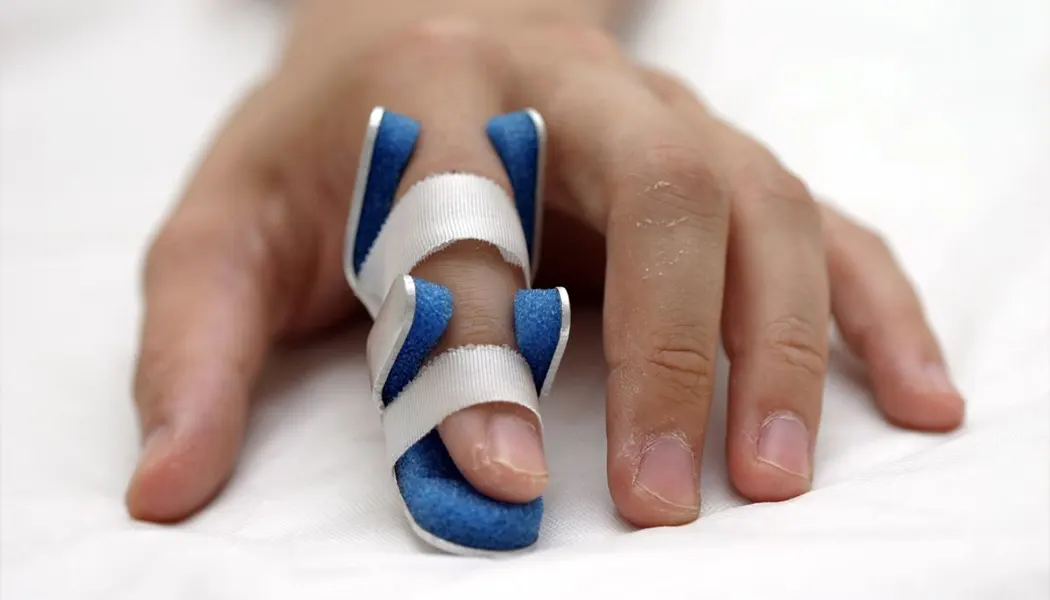
What is Mallet Finger?
Mallet Finger is a finger injury in which the tip of the finger suddenly droops and cannot be actively straightened. It usually occurs when the extensor tendon at the end of the finger is injured, often after a ball, object, or other force strikes the fingertip. In some cases, a small piece of bone may also be pulled away with the tendon. Symptoms can include pain, swelling, tenderness, and difficulty straightening the fingertip. Early assessment and appropriate splinting are important to support proper healing. At Pure Physio, rehabilitation focuses on protecting the healing tendon, maintaining safe movement in nearby joints, reducing stiffness, and restoring functional use of the hand.
Mallet Finger, also known as Baseball Finger, is an injury affecting the extensor tendon at the distal interphalangeal (DIP) joint, which is the joint closest to the fingertip.
The extensor tendon normally helps straighten the tip of the finger. When the tendon is suddenly overstretched or torn, the fingertip may remain bent downward because the person is unable to actively straighten it.
Mallet Finger can occur in two main forms:
Soft-Tissue Mallet Finger: The extensor tendon is injured or torn without a significant bone fracture.
Bony Mallet Finger: The force pulls a small piece of bone away from the base of the distal phalanx along with the tendon attachment.
In some cases, the injury may also involve joint alignment and require more specialised medical treatment. Early assessment is important because leaving the fingertip unsupported or repeatedly allowing it to bend during the healing period can interfere with recovery.
What Are The Symptoms Of Mallet Finger?
Common Symptoms
Drooping Fingertip: The tip of the finger remains bent downward.
Difficulty Straightening the Finger: You may be unable to actively straighten the DIP joint.
Pain: The injured fingertip may be painful, especially soon after the injury.
Swelling: Swelling may develop around the end joint of the finger.
Tenderness: The back of the fingertip may be painful when touched.
Stiffness: The DIP joint may feel stiff or difficult to move.
Other Possible Symptoms
Bruising: Discolouration may occur after the injury.
Reduced Hand Function: The injury may affect gripping and other hand activities.
Difficulty with Fine Tasks: Writing, typing, buttoning clothes, or handling small objects may become uncomfortable.
Persistent Finger Deformity: Without appropriate treatment, the fingertip may continue to droop.
Compensatory Joint Changes: In some cases, long-term untreated Mallet Finger can contribute to abnormal positioning of other finger joints.
A painful finger deformity following injury should be medically assessed to determine whether a tendon injury, fracture, or joint displacement is present.
What Are The Causes Of Mallet Finger?
Direct Impact to the Fingertip: A sudden force striking the tip of a straight finger can injure the extensor tendon.
Ball Sports: A ball striking the fingertip is a common cause, particularly during cricket, basketball, baseball, volleyball, or similar sports.
Sudden Forced Bending: The fingertip being forcefully pushed into a bent position can overstretch or tear the tendon.
Sports Injuries: Contact, falls, or accidental impact can injure the end of the finger.
Everyday Accidents: The fingertip may be injured while making a bed, tucking in sheets, closing a drawer, or during other routine activities.
Cuts or Lacerations: A deep cut across the back of the fingertip can damage the extensor tendon.
Diagnosis Of Mallet Finger
Medical History: A healthcare professional will ask how the injury occurred and when symptoms began.
Physical Examination: The position of the fingertip, swelling, tenderness, and movement are assessed.
Active Movement Testing: The ability to actively straighten the DIP joint is examined.
Passive Movement Testing: The ability to move the joint with assistance may also be assessed.
Tendon Assessment: The function of the extensor tendon mechanism is evaluated.
X-Rays: X-rays are commonly used to identify an associated bony avulsion fracture and assess joint alignment.
Ultrasound: Ultrasound may be used in selected cases to assess the tendon.
MRI Scan: MRI may be considered when detailed soft-tissue assessment is required.
Proper diagnosis is important because some injuries involving a large bone fragment or joint displacement may require specialist treatment.
Treatment Of Mallet Finger
Treatment depends on whether the injury involves the tendon alone, an associated fracture, or joint displacement.
Splinting: Continuous splinting of the DIP joint in the prescribed position is a common treatment approach.
Protection of the Fingertip: The injured joint must be protected during the recommended healing period.
Medical Assessment: A healthcare professional should assess the injury and determine the most appropriate treatment.
Activity Modification: Activities that could bend or reinjure the fingertip may need to be temporarily avoided.
Pain Management: Appropriate medication may be recommended when required.
Hand Therapy: Structured rehabilitation can help manage stiffness and restore function.
Surgery: Surgical treatment may be considered for certain fractures, joint displacement, open injuries, or other complex cases.
Post-Operative Rehabilitation: Specific rehabilitation may be required following surgical treatment.
It is important to follow splinting instructions carefully. The healing tendon can be sensitive to repeated bending, and the treatment plan should be guided by the treating healthcare professional.
What Is The Physiotherapy Treatment Of Mallet Finger
Detailed Assessment: At Pure Physio, we assess finger posture, swelling, pain, joint movement, tendon function, hand strength, and the effect of the injury on daily activities.
Individualised Rehabilitation Programme: Your rehabilitation is planned according to the type of Mallet Finger, whether a fracture is present, treatment received, stage of healing, and personal goals.
Splint Support and Guidance: We provide guidance to support correct use of the prescribed splint and protection of the healing finger.
Protection of the Healing Tendon: Early rehabilitation focuses on avoiding unnecessary stress on the injured extensor tendon.
Movement of Nearby Joints: Appropriate exercises may help maintain movement in the unaffected joints of the finger and hand.
Controlled DIP Joint Rehabilitation: Movement of the fingertip joint is introduced carefully at the appropriate stage according to the treatment plan.
Range of Motion Exercises: Gradual exercises can help restore comfortable finger movement after sufficient healing.
Tendon Gliding Exercises: Carefully selected exercises may help maintain smooth movement of the fingers and tendons.
Joint Mobility Rehabilitation: Treatment may address stiffness after splint removal when medically appropriate.
Gentle Stretching: Stretching is introduced carefully according to healing and finger mobility.
Hand Strengthening: Progressive strengthening may be introduced once the finger is ready for increased loading.
Grip Strength Training: Functional exercises help restore gripping and holding ability.
Dexterity Training: Activities can support fine motor skills such as typing, writing, buttoning clothes, and handling small objects.
Functional Hand Rehabilitation: Therapy focuses on returning to everyday activities, work, hobbies, and sport.
Post-Operative Rehabilitation: If surgery is required, your programme follows the surgeon’s recommendations and appropriate tissue-healing timelines.
Home Exercise Programme: A personalised programme supports continued recovery between physiotherapy sessions.
Progress Monitoring: Your treatment is regularly reviewed and adjusted according to healing, finger position, movement, strength, and functional recovery.
Why Choose Pure Physio?
Comprehensive Finger Assessment: We assess finger posture, pain, swelling, movement, tendon function, and everyday hand use.
Personalised Rehabilitation Plans: Your programme is tailored according to the type and severity of the injury, treatment method, healing stage, and individual goals.
Focus on Tendon Protection: We support appropriate protection of the healing extensor tendon during the early stages of recovery.
Splinting Guidance: We provide practical guidance to support correct use and care of prescribed splints.
Restore Safe Finger Movement: Rehabilitation is carefully progressed to improve movement while respecting tissue-healing requirements.
Stiffness Management: Treatment helps address stiffness that may develop after injury or prolonged splinting.
Improve Hand Strength: Progressive exercises help rebuild grip and functional hand strength when appropriate.
Support Fine Motor Recovery: Rehabilitation focuses on the precise movements needed for writing, typing, dressing, and other everyday tasks.
Functional Recovery Focus: Therapy targets the activities that are important for your home, work, hobbies, and sport.
Post-Surgical Rehabilitation: Structured rehabilitation is provided following surgical treatment when required.
Home Exercise Guidance: You receive a personalised programme to support continued progress outside your appointments.
Regular Progress Monitoring: Your programme is reviewed and adapted according to healing, movement, finger position, strength, and functional improvement.
Integrated Care Approach: We work alongside hand specialists, orthopaedic surgeons, and other healthcare professionals when required.
Focused on Long-Term Hand Function: Our goal is to protect healing structures, reduce stiffness, restore comfortable finger movement, and help you regain confident use of your hand.
Start Your Recovery Journey Today
Don’t let pain, stiffness, or reduced mobility affect your daily life. Get personalised physiotherapy care designed around your condition and recovery goals.