Lymphedema
Manage swelling, improve comfort, and move with confidence through personalised lymphedema rehabilitation and supportive physiotherapy care.
Contents
Take the First Step Towards Better Movement
Our experienced physiotherapists are here to help you improve mobility, regain strength, and move with greater comfort and confidence.
What is Lymphedema?
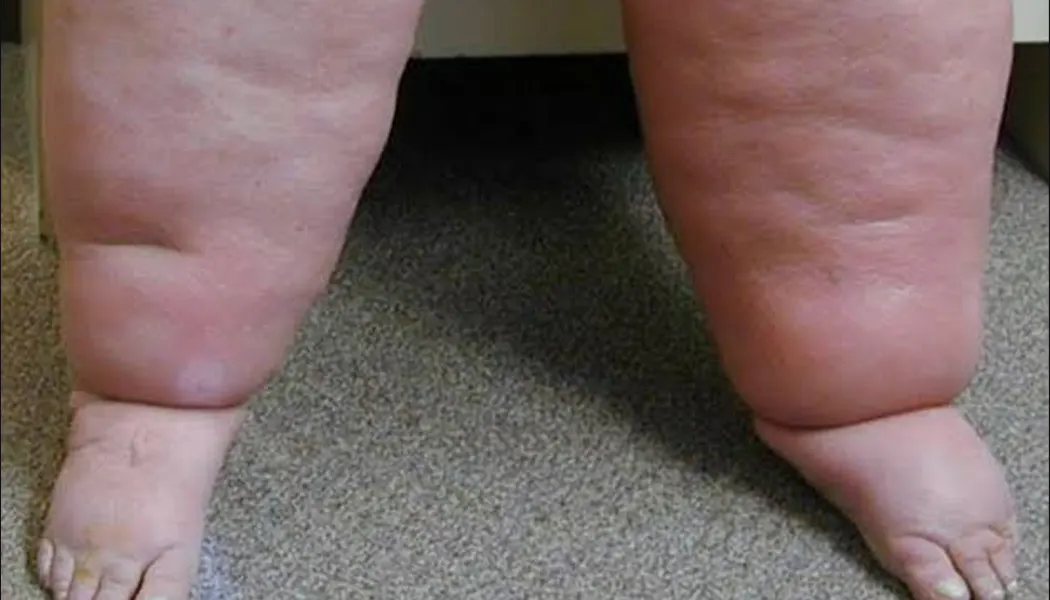
Lymphedema is swelling caused by an abnormal accumulation of lymph fluid in the body’s tissues.
The lymphatic system is an important part of the body’s circulation and immune system. It helps:
Drain Excess Fluid from Tissues
Transport Immune Cells
Remove Waste Products
Return Fluid to the Bloodstream
Lymph fluid normally travels through a network of:
Lymphatic Vessels
Lymph Nodes
Lymphatic Organs and Tissues
When this system is unable to transport lymph fluid effectively, fluid can accumulate in the tissues and cause swelling.
Lymphedema most commonly affects:
Arms
Hands
Legs
Feet
However, it can also affect other areas of the body.
There are two main types:
Primary Lymphedema
Primary lymphedema occurs due to an abnormal development or inherited problem affecting the lymphatic system. It may be present from birth or develop later in life.
Secondary Lymphedema
Secondary lymphedema develops due to damage to or blockage of the lymphatic system. It may occur after surgery, cancer treatment, radiation therapy, infection, injury, or another medical condition.
Lymphedema can range from mild to severe. Early assessment and appropriate management may help control symptoms and reduce the risk of complications.
What Are The Symptoms Of Lymphedema?
Persistent Swelling: An arm, hand, leg, foot, or other body part may appear enlarged.
Feeling of Heaviness: The affected limb may feel heavy or difficult to move.
Tightness: The skin or tissues may feel tight.
Fullness: A feeling of fullness or pressure may occur in the affected area.
Reduced Range of Motion: Swelling may make it more difficult to move nearby joints.
Discomfort or Aching: The affected area may feel uncomfortable or achy.
Clothing or Jewellery Feeling Tighter: Rings, watches, sleeves, socks, or shoes may become tighter than usual.
Changes in Limb Size: One arm or leg may appear noticeably larger than the other.
Skin Thickening: Over time, the skin and underlying tissues may become thicker or firmer.
Reduced Skin Elasticity: The skin may become less flexible.
Pitting: Pressing gently on swollen tissue may leave an indentation, particularly in some stages of lymphedema.
Recurrent Skin Infections: Lymphedema can increase the risk of infections such as cellulitis.
Difficulty with Daily Activities: Swelling and reduced movement may make walking, dressing, lifting, or using the affected limb more difficult.
Symptoms can develop gradually or become noticeable after a triggering event such as surgery or cancer treatment.
What Are The Causes Of Lymphedema?
Causes of Primary Lymphedema
Abnormal Lymphatic Development: Lymph vessels or lymph nodes may not develop normally.
Inherited Factors: Some forms are associated with genetic changes affecting the lymphatic system.
Congenital Conditions: Lymphedema may be present at birth or appear during childhood.
Causes of Secondary Lymphedema
Lymph Node Removal: Surgical removal of lymph nodes can affect lymph drainage.
Cancer Treatment: Treatment affecting lymph nodes or lymphatic vessels may increase the risk.
Radiation Therapy: Radiation can cause changes to lymphatic tissues.
Surgery: Procedures involving lymph nodes or surrounding tissues may disrupt lymph flow.
Cancer: A tumour may obstruct or affect lymphatic vessels or nodes.
Infection: Certain infections can damage or block parts of the lymphatic system.
Trauma: Significant injury may damage lymphatic vessels.
Inflammation: Chronic inflammation may affect lymphatic drainage.
Obesity: Excess body weight may increase the risk or severity of lymphedema in some individuals.
Venous or Other Circulation Problems: Other conditions affecting fluid movement can contribute to swelling and require proper medical assessment.
Not all swelling is caused by lymphedema, so an accurate diagnosis is important before beginning treatment.
Diagnosis Of Lymphedema
Medical History: A healthcare professional will ask about the onset of swelling, previous surgery, cancer treatment, lymph node removal, radiation therapy, infections, injuries, medications, and other medical conditions.
Physical Examination: The affected area is examined for swelling, skin changes, tissue texture, symmetry, and signs of infection.
Limb Measurements: Circumference or volume measurements may be taken to monitor changes over time.
Comparison of Both Sides: The affected limb may be compared with the opposite limb.
Skin and Tissue Assessment: A healthcare professional may assess pitting, skin thickness, tissue firmness, and other changes.
Stemmer’s Sign: In selected cases, a clinician may assess whether the skin at the base of a finger or toe can be lifted.
Ultrasound: Ultrasound may help investigate other causes of swelling, including certain vascular problems.
Lymphoscintigraphy: A specialised imaging test may be used to assess lymphatic drainage.
Other Imaging: MRI, CT, or other imaging may be recommended when further investigation is needed.
Cancer or Medical Review: New or unexplained swelling may require medical assessment to identify or rule out an underlying cause.
A proper diagnosis is essential because blood clots, infection, heart problems, kidney disease, venous conditions, and other medical conditions can also cause swelling.
Treatment Of Lymphedema
Treatment focuses on controlling swelling, protecting the skin, improving function, and supporting long-term self-management.
Complete Decongestive Therapy: A structured treatment approach may combine several strategies to manage lymphedema.
Manual Lymphatic Drainage: A specially trained therapist may use gentle techniques intended to support lymph fluid movement.
Compression Therapy: Compression garments, bandaging, or other systems may be used under appropriate professional guidance.
Exercise: Carefully selected movement and strengthening exercises may support muscle activity, mobility, and overall function.
Skin Care: Keeping the skin clean, moisturised, and protected may help reduce the risk of skin problems and infection.
Weight Management: Where appropriate, maintaining a healthy body weight may support long-term management.
Self-Management Education: Individuals may learn strategies for monitoring symptoms, using compression correctly, caring for the skin, and staying physically active.
Treatment of Infections: Cellulitis or other infections require prompt medical treatment.
Specialist Medical Treatment: In selected cases, specialist procedures or surgery may be considered.
Lymphedema is often a long-term condition, but appropriate treatment can help many people manage symptoms and maintain an active lifestyle.
What Is The Physiotherapy Treatment Of Lymphedema
Detailed Assessment: At Pure Physio, treatment begins by assessing the location and severity of swelling, tissue changes, joint movement, strength, mobility, physical function, medical history, and individual goals.
Lymphedema Management Plan: A personalised programme may be developed according to the cause, location, severity, and stage of the condition.
Manual Lymphatic Drainage: Where clinically appropriate and provided by a suitably trained professional, gentle specialised techniques may be used as part of a broader lymphedema management programme.
Compression Guidance: We can provide appropriate guidance regarding compression strategies within the scope of professional training and medical recommendations.
Therapeutic Exercise: Carefully selected exercises may encourage muscle activity, maintain mobility, and support overall limb function.
Range of Motion Exercises: Gentle movement may help maintain flexibility and reduce stiffness in nearby joints.
Strengthening Exercises: Progressive strengthening may be used to improve physical function and the ability to perform daily activities.
Walking and Mobility Training: For lower-limb lymphedema, rehabilitation may focus on comfortable walking, balance, endurance, and functional mobility.
Upper-Limb Rehabilitation: For arm-related lymphedema, therapy may address shoulder, elbow, wrist, and hand movement and function.
Breathing Exercises: Appropriate breathing and diaphragmatic movement may be included as part of a broader exercise and relaxation programme.
Skin Care Education: Guidance may include recognising changes in the skin and understanding when medical assessment is needed.
Activity Guidance: Advice may be provided on gradually progressing exercise, work, travel, and other physical activities according to individual needs.
Self-Management Education: We help suitable patients understand safe daily strategies for movement, exercise, skin protection, and long-term symptom monitoring.
Home Exercise Programme: A personalised programme may support ongoing mobility, strength, and functional independence.
Why Choose Pure Physio?
Personalised Care: Every management plan is adapted according to the location of swelling, underlying cause, physical function, symptoms, and individual goals.
Detailed Functional Assessment: We assess how swelling affects movement, strength, walking, upper-limb function, exercise, work, and everyday activities.
Focus on Safe Rehabilitation: We recognise the importance of identifying when swelling requires medical investigation and adapting rehabilitation accordingly.
Individualised Exercise Programmes: Exercises are selected and progressed according to your physical capacity, symptoms, and overall medical condition.
Support for Long-Term Self-Management: We provide practical guidance to help suitable individuals manage movement, exercise, daily routines, and functional activities.
Focus on Mobility and Independence: Our rehabilitation aims to help you maintain comfortable movement and confidence with everyday activities.
Integrated Care Approach: Lymphedema management may involve doctors, oncologists, surgeons, vascular specialists, specialist lymphedema therapists, physiotherapists, and other healthcare professionals. We work as part of an appropriate coordinated care plan.
Ongoing Rehabilitation Support: Your programme can be reviewed and adapted as your symptoms, swelling, functional ability, and personal goals change over time.
Start Your Recovery Journey Today
Don’t let pain, stiffness, or reduced mobility affect your daily life. Get personalised physiotherapy care designed around your condition and recovery goals.