
Lumbarization
Manage back pain and move with confidence through personalised physiotherapy focused on spinal mobility, strength, stability, and everyday function.
Contents
Take the First Step Towards Better Movement
Our experienced physiotherapists are here to help you improve mobility, regain strength, and move with greater comfort and confidence.
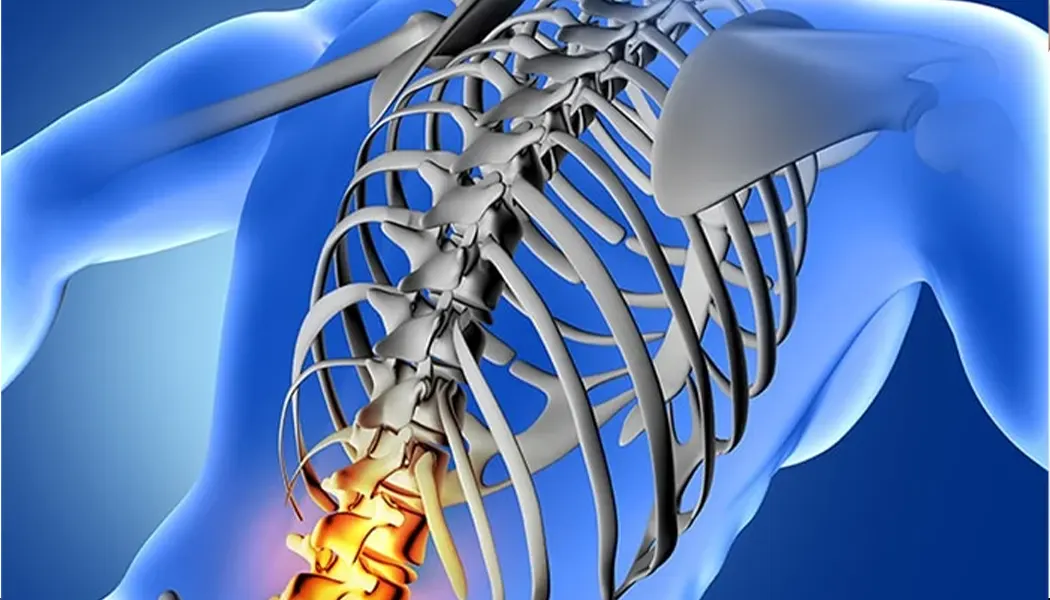
What is Lumbarization?
Lumbarization is a congenital variation in which the first sacral vertebra (S1) is partially or completely separated from the rest of the sacrum and takes on characteristics similar to an additional lumbar vertebra. This may result in the appearance of six lumbar-type vertebrae instead of the usual five. Lumbarization is often discovered incidentally during an X-ray, CT scan, or MRI and may not cause any symptoms. However, in some individuals, altered spinal mechanics or associated conditions may contribute to lower back pain, stiffness, or nerve-related symptoms. At Pure Physio, rehabilitation focuses on identifying the actual source of symptoms and improving mobility, core strength, spinal control, and functional movement through an individualised treatment plan.
Lumbarization is a type of lumbosacral transitional vertebra (LSTV).
The lower part of the spine normally consists of:
Five Lumbar Vertebrae: L1 to L5
Sacrum: Usually made up of five fused sacral vertebrae, S1 to S5
In lumbarization, the first sacral vertebra, S1, does not completely fuse with the remaining sacral vertebrae.
Instead, it may appear more like a lumbar vertebra.
This can create the appearance of an additional lumbar-type vertebra.
Lumbarization can vary in degree:
Partial Lumbarization
Part of the first sacral vertebra remains connected to the sacrum, but its structure has some lumbar-like characteristics.
Complete Lumbarization
The first sacral vertebra is more completely separated and functions anatomically more like an additional lumbar vertebra.
Lumbarization is a structural variation present from birth. It does not necessarily mean that a person will develop back pain.
Many people are unaware that they have lumbarization until it is seen on spinal imaging performed for another reason.
When symptoms occur, it is important to determine whether lumbarization itself is clinically relevant or whether another spinal condition is causing the symptoms.
What Are The Symptoms Of Lumbarization?
Many people with lumbarization have no symptoms.
When symptoms are present, they may include:
Lower Back Pain: Pain may occur in the lower back.
Back Stiffness: The lower back may feel tight or difficult to move.
Pain During Bending: Forward or backward bending may cause discomfort.
Pain During Twisting: Rotational movements may aggravate symptoms.
Muscle Tightness: Muscles around the lower back, pelvis, or hips may feel tight.
Muscle Spasms: Some individuals may experience episodes of muscle spasm.
Reduced Range of Motion: Movement of the lower back may feel restricted.
Pain After Prolonged Sitting: Sitting for extended periods may increase discomfort.
Pain After Prolonged Standing: Standing for long periods may aggravate symptoms.
Pain During Lifting: Lifting or carrying heavy objects may increase symptoms.
Buttock Pain: Pain may sometimes spread into one or both buttocks.
Hip or Pelvic Discomfort: Altered movement patterns may contribute to discomfort around the pelvis or hips.
Radiating Leg Pain: If a spinal nerve is irritated or compressed due to an associated condition, pain may travel into the leg.
Numbness or Tingling: Nerve involvement may cause altered sensations in the buttock or leg.
Muscle Weakness: Significant nerve involvement can cause weakness in part of the leg.
Difficulty with Daily Activities: Symptoms may affect work, exercise, walking, household tasks, and other routine activities.
Seek prompt medical assessment for severe or progressive weakness, loss of bladder or bowel control, or numbness around the groin or saddle area.
What Are The Causes Of Lumbarization?
Lumbarization is generally caused by a developmental variation during fetal development.
Congenital Spinal Variation: The vertebrae do not develop and fuse in the usual pattern.
Incomplete Fusion of S1: The first sacral vertebra remains partially or completely separate from the rest of the sacrum.
Developmental Differences in the Lumbosacral Junction: Natural anatomical variation can affect the transition between the lumbar spine and sacrum.
The exact reason why this variation occurs is not always known.
Lumbarization itself is present from birth and is not caused by poor posture, exercise, lifting, or an injury.
However, some factors may contribute to symptoms in a person with lumbarization:
Degenerative Disc Changes: Altered loading may contribute to changes at certain spinal levels.
Facet Joint Changes: The small joints of the spine may develop irritation or degenerative changes.
Muscle Weakness or Poor Movement Control: Reduced strength or control around the spine and hips may contribute to movement-related symptoms.
Spinal Overload: Repeated heavy loading may aggravate an already painful spinal condition.
Associated Disc Problems: A disc bulge, herniated disc, or other condition may cause symptoms.
Nerve Compression: Symptoms may occur if an associated structural problem affects a spinal nerve.
Diagnosis Of Lumbarization
Medical History: A healthcare professional will ask about back pain, stiffness, leg symptoms, previous injuries, daily activities, and functional limitations.
Physical Examination: Spinal posture, movement, muscle strength, flexibility, balance, and functional movement may be assessed.
Neurological Examination: Reflexes, sensation, muscle strength, and signs of nerve involvement may be checked when required.
X-Rays: X-rays can help identify the transitional vertebra and assess the anatomy of the lumbosacral region.
MRI: MRI may be recommended when there is persistent pain, suspected disc involvement, nerve compression, or another soft-tissue condition.
CT Scan: CT may provide detailed information about bone anatomy and the lumbosacral junction.
Functional Physiotherapy Assessment: A physiotherapist may assess how symptoms affect sitting, standing, walking, bending, lifting, exercise, and other everyday activities.
Assessment of Associated Conditions: Healthcare professionals may investigate whether another spinal condition is contributing to symptoms.
Accurate vertebral identification is important, particularly before spinal injections or surgery, because a transitional vertebra can affect the numbering of spinal levels.
Treatment Of Lumbarization
Treatment is based on symptoms and associated conditions, rather than the imaging finding alone.
Education and Reassurance: People without symptoms may not require treatment.
Activity Modification: Temporarily modifying movements that significantly aggravate pain may help manage symptoms.
Physiotherapy: A structured rehabilitation programme may help improve mobility, muscle strength, spinal control, and function.
Exercise Therapy: Individualised exercises may help improve core strength, hip strength, flexibility, and movement tolerance.
Pain Management: A doctor may recommend appropriate medication or other pain-management options when required.
Heat or Cold Therapy: Some people may find heat or cold helpful for temporary symptom relief.
Manual Therapy: Where clinically appropriate, selected hands-on techniques may complement an active rehabilitation programme.
Lifestyle and Load Management: Guidance may help manage prolonged sitting, repetitive movements, lifting, and physical activity.
Interventional Pain Management: In selected cases, a pain specialist may consider diagnostic or therapeutic injections when a specific pain source has been identified.
Treatment of Associated Conditions: Disc problems, facet joint pain, nerve compression, or other conditions may require additional treatment.
Surgery: Surgery is rarely required for lumbarization itself but may be considered in selected cases when a specific structural problem causes persistent symptoms and does not respond to appropriate conservative management.
What Is The Physiotherapy Treatment Of Lumbarization
Detailed Spinal Assessment: At Pure Physio, treatment begins by assessing your symptoms, lower-back and hip movement, muscle strength, posture, functional activities, nerve-related symptoms, and individual goals.
Pain-Aware Exercise Programme: Exercises are selected according to your symptoms, movement tolerance, and physical capacity.
Core Stabilisation Exercises: Targeted exercises may help improve the strength and control of muscles supporting the spine.
Spinal Movement Control: Rehabilitation may focus on improving controlled movement during bending, lifting, twisting, and other daily activities.
Hip Strengthening: Exercises may help improve the strength and function of the hip and pelvic muscles.
Mobility Exercises: Controlled movements may help maintain or improve comfortable spinal and hip mobility.
Flexibility Training: Individualised stretching may be included where relevant muscle tightness contributes to movement restrictions.
Postural Endurance Training: Exercises may help improve tolerance for prolonged sitting, standing, and working positions.
Functional Movement Training: Therapy may include practising safe and efficient ways to sit, stand, bend, lift, carry, and perform daily activities.
Load Management Education: We provide guidance on gradually managing exercise, work demands, lifting, and physical activity.
Balance and Coordination Training: Appropriate exercises may be included to improve overall movement confidence and control.
Manual Therapy: Where clinically appropriate, selected hands-on techniques may be used alongside an active exercise programme.
Home Exercise Programme: A personalised programme may help support long-term strength, mobility, and self-management.
Why Choose Pure Physio?
Individualised Spinal Assessment: We assess your symptoms and movement patterns to understand what may be contributing to your pain and functional limitations.
Personalised Rehabilitation Plans: Your treatment programme is adapted according to your symptoms, spinal mobility, strength, associated conditions, lifestyle, and goals.
Focus on Active Recovery: Rehabilitation emphasises appropriate movement, strengthening, and improved physical capacity.
Core and Hip Strengthening: We address the muscles that support spinal and pelvic movement during everyday activities.
Safe Exercise Progression: Exercises are gradually progressed according to your symptoms, tolerance, and physical ability.
Focus on Functional Movement: Treatment is designed around activities such as sitting, standing, bending, lifting, walking, working, and exercising.
Practical Activity Guidance: We provide strategies for managing physical demands and reducing unnecessary aggravation during daily activities.
Long-Term Self-Management: Personalised exercises and education can help support ongoing strength, mobility, and confidence.
Integrated Care Approach: If imaging, pain management, injections, or specialist spinal assessment are required, physiotherapy can form part of a coordinated treatment plan.
Focused on Your Goals: Our aim is to help you move more comfortably, improve physical function, and return safely to the activities that matter to you.
Start Your Recovery Journey Today
Don’t let pain, stiffness, or reduced mobility affect your daily life. Get personalised physiotherapy care designed around your condition and recovery goals.