Lumbar Spondylosis
Struggling with persistent lower back pain or stiffness? Get personalised care and move with greater comfort at Pure Physio.
Contents
Take the First Step Towards Better Movement
Our experienced physiotherapists are here to help you improve mobility, regain strength, and move with greater comfort and confidence.
What is Lumbar Spondylosis?
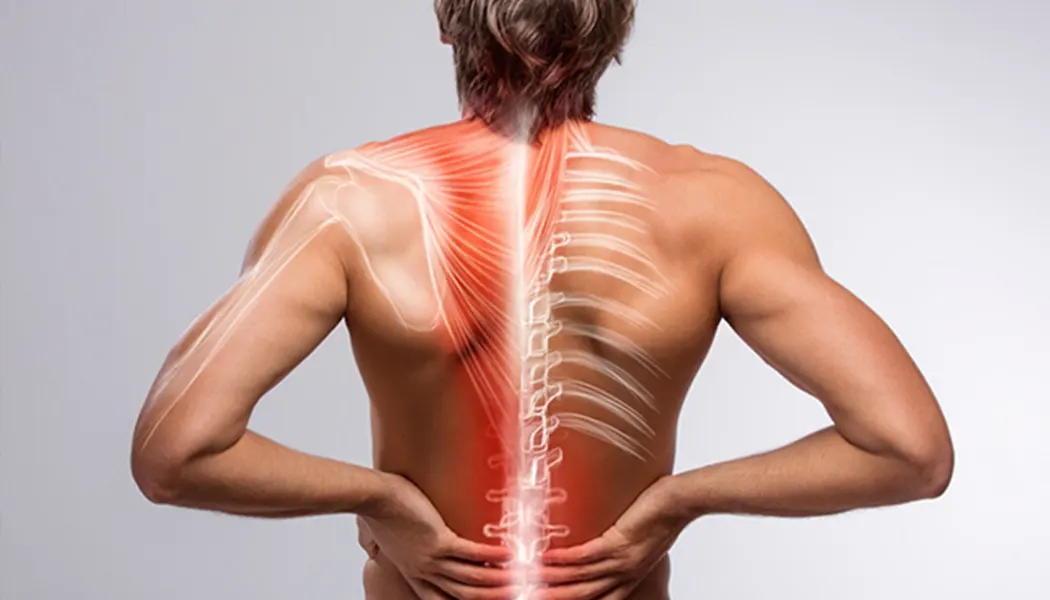
Lumbar Spondylosis refers to degenerative changes affecting the structures of the lower back. The lumbar spine supports a significant amount of the body’s weight and is involved in everyday movements such as bending, lifting, twisting, sitting, standing, and walking.
As people age, the discs between the spinal bones can gradually lose water content and flexibility. The joints and other structures in the spine may also undergo changes over time. These changes can include disc degeneration, joint degeneration, and the development of bony changes known as osteophytes.
Some people with lumbar spondylosis may have no symptoms, while others may experience lower back pain, stiffness, or reduced movement. In certain cases, changes in the spine can affect nearby nerves and contribute to symptoms in the buttocks, hips, or legs.
The severity of symptoms does not always directly match the changes seen on an X-ray or other scan. A proper clinical assessment is important to understand the cause of symptoms and determine the most appropriate treatment approach.
What Are The Symptoms Of Lumbar Spondylosis?
Lower Back Pain: Persistent or recurring pain in the lower back is one of the common symptoms. Pain may vary from mild discomfort to more significant symptoms affecting daily activities.
Stiffness in the Lower Back: The lower back may feel stiff, particularly after prolonged sitting, inactivity, or when getting up in the morning.
Reduced Spinal Mobility: Some people may find bending, twisting, standing upright, or performing other movements more difficult or uncomfortable.
Pain During Prolonged Activity: Standing, walking, sitting, bending, or other activities may aggravate symptoms in some individuals.
Pain Radiating into the Buttocks or Legs: If spinal changes irritate or place pressure on nearby nerves, pain may travel from the lower back into the buttock, thigh, or leg.
Tingling or Numbness: Some individuals may experience tingling, pins-and-needles sensations, or numbness in the legs or feet when nerve structures are affected.
Muscle Weakness: In certain cases involving nerve compression or irritation, weakness may develop in muscles of the leg or foot.
Reduced Walking Tolerance: Some people may experience increased pain, heaviness, weakness, or discomfort during prolonged walking or standing.
Muscle Tightness: Muscles around the lower back, hips, and legs may become tight or tense as the body adapts to pain and changes in movement.
What Are The Causes Of Lumbar Spondylosis?
Age-Related Degeneration: Natural changes in the spinal discs and joints are a major reason lumbar spondylosis develops over time.
Disc Degeneration: Spinal discs can gradually lose hydration and flexibility, affecting their ability to absorb forces and support normal spinal movement.
Facet Joint Changes: The small joints connecting the bones of the spine can undergo degenerative changes that may contribute to pain, stiffness, and reduced mobility.
Bone Spur Formation: The body may develop extra bone around areas of spinal degeneration. These bony changes are known as osteophytes and may sometimes narrow spaces around nerves.
Previous Back Injuries: A history of certain injuries affecting the lower back may contribute to degenerative changes or ongoing mechanical problems.
Repetitive Physical Stress: Repeated bending, twisting, heavy lifting, or physically demanding activities may place ongoing stress on the structures of the lower back.
Poor Physical Conditioning: Reduced muscle strength, endurance, and physical activity can affect the ability of the muscles to support and control spinal movement.
Genetic Factors: Some people may have inherited factors that influence the development of spinal degenerative changes.
Body Weight and Lifestyle Factors: Increased mechanical loading and certain lifestyle factors may contribute to stress on the lower back and affect symptoms.
Diagnosis Of Lumbar Spondylosis
Medical History: Diagnosis begins with understanding your symptoms, including where the pain occurs, how long it has been present, what movements aggravate it, and whether you have symptoms affecting the legs.
Physical Examination: A healthcare professional may assess posture, spinal movement, muscle strength, reflexes, sensation, walking ability, and other neurological signs where relevant.
Neurological Assessment: If symptoms suggest possible nerve involvement, the legs may be assessed for changes in strength, sensation, reflexes, and nerve function.
X-Ray: An X-ray may show certain degenerative changes affecting the bones and joints of the lumbar spine.
MRI Scan: An MRI may provide more detailed information about spinal discs, nerves, ligaments, and other soft tissues and may be considered when clinically appropriate.
CT Scan: In selected cases, a CT scan may provide additional information about bony structures of the spine.
Clinical Correlation: Imaging findings must be considered alongside symptoms and physical examination because degenerative spinal changes can be present even in people without back pain.
Treatment Of Lumbar Spondylosis
Activity Modification: Temporary modification of activities that significantly aggravate symptoms may be recommended while maintaining appropriate levels of movement and activity.
Pain Management: Depending on the individual’s condition, a healthcare professional may recommend appropriate medication or other pain management options.
Physiotherapy: A personalised physiotherapy programme may help suitable patients improve mobility, strength, posture, movement control, and physical function.
Exercise Rehabilitation: Carefully selected exercises can help support the muscles of the trunk, hips, and legs while improving flexibility and overall physical conditioning.
Manual Therapy: Appropriate hands-on techniques may be considered for some patients as part of a broader physiotherapy programme.
Heat or Other Physical Modalities: Certain physical therapy modalities may be used where clinically appropriate to help manage symptoms.
Interventional Pain Management: When conservative treatment does not provide adequate improvement, selected patients may be assessed by a qualified specialist for procedures such as targeted injections or other interventional treatments.
Surgical Treatment: Surgery is not required for most people with lumbar spondylosis. It may be considered in selected cases where there is significant nerve compression, progressive neurological problems, or other specific indications after specialist evaluation.
What Is The Physiotherapy Treatment Of Lumbar Spondylosis
Detailed Physiotherapy Assessment: At Pure Physio, treatment begins by understanding your pain, symptoms, daily activities, posture, spinal movement, muscle strength, flexibility, and any functional limitations.
Pain and Symptom Management: Depending on your condition, appropriate physiotherapy techniques may be used to help manage pain and improve comfort during movement.
Spinal Mobility Exercises: Carefully selected exercises may help maintain or improve comfortable movement of the lower back and surrounding joints.
Core Strengthening: Strengthening the muscles that support and control the trunk can help improve spinal stability and movement control.
Hip and Leg Strengthening: Weakness in the hips and legs can affect how forces are managed during movement. A personalised strengthening programme may support better overall function.
Flexibility and Stretching Exercises: Appropriate stretching and mobility exercises may help address muscle tightness affecting the lower back, hips, and legs.
Posture and Movement Training: You may receive guidance on sitting, standing, bending, lifting, and other everyday movements to help reduce unnecessary strain and improve movement confidence.
Manual Therapy: Where appropriate, hands-on physiotherapy techniques may be included to address joint stiffness, soft tissue tension, and movement restrictions.
Functional Rehabilitation: Exercises are designed around the activities that matter to you, such as walking, climbing stairs, working, bending, lifting, or returning to exercise.
Progressive Exercise Programme: Your rehabilitation programme is gradually progressed according to your symptoms, physical abilities, and recovery goals.
Home Exercise Guidance: You may receive a personalised home programme to help you continue appropriate mobility and strengthening exercises between physiotherapy sessions.
Why Choose Pure Physio?
Personalised Assessment: We understand that lumbar spondylosis affects every individual differently. Your treatment plan is based on your symptoms, physical findings, lifestyle, and personal goals.
Focus on Movement and Function: Our approach goes beyond simply focusing on pain. We work with suitable patients to improve mobility, strength, stability, and confidence in everyday movement.
Individualised Physiotherapy Plans: Your exercises and treatment techniques are selected according to your physical condition and progressed at an appropriate pace.
Comprehensive Rehabilitation Approach: Depending on your needs, physiotherapy may include exercise therapy, mobility training, strengthening, manual techniques, posture guidance, and functional rehabilitation.
Addressing Contributing Factors: We assess relevant factors such as reduced mobility, muscle weakness, movement patterns, and physical conditioning that may contribute to your symptoms.
Support for Long-Term Management: Lumbar spondylosis often involves long-term spinal changes. We provide guidance on exercise, movement, physical activity, and self-management to support ongoing spinal health and function.
Patient-Focused Care: At Pure Physio, our goal is to help suitable patients understand their condition, manage symptoms, and work towards moving more comfortably and confidently in everyday life.
Start Your Recovery Journey Today
Don’t let pain, stiffness, or reduced mobility affect your daily life. Get personalised physiotherapy care designed around your condition and recovery goals.