Lipedema
Manage pain, improve mobility, and feel more comfortable with personalised physiotherapy and movement support for lipedema.
Contents
Take the First Step Towards Better Movement
Our experienced physiotherapists are here to help you improve mobility, regain strength, and move with greater comfort and confidence.
What is Lipedema?
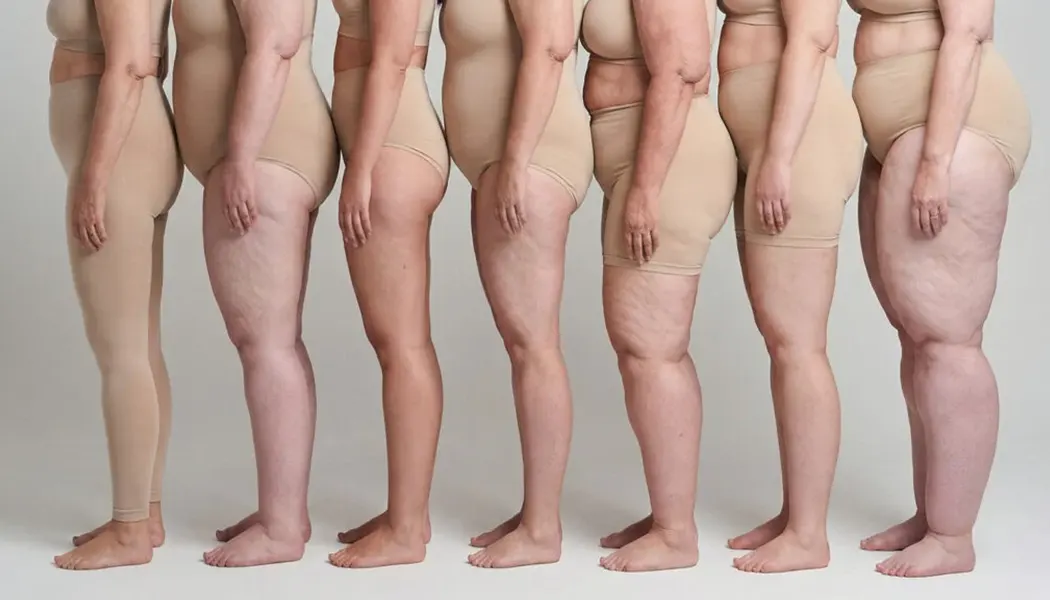
Lipedema is a long-term condition involving an abnormal and disproportionate buildup of fatty tissue, most commonly affecting the legs and sometimes the arms. It usually occurs symmetrically on both sides of the body and can cause tenderness, pain, heaviness, easy bruising, and swelling. The feet are often relatively unaffected, creating a noticeable difference between the legs and feet. Lipedema can affect mobility and quality of life, particularly as symptoms progress. At Pure Physio, physiotherapy focuses on improving movement, strength, mobility, physical activity tolerance, and symptom management as part of an individualised and multidisciplinary care approach.
Lipedema is a chronic condition characterised by the abnormal accumulation of fatty tissue, usually in a symmetrical pattern.
It most commonly affects the:
Hips
Buttocks
Thighs
Lower Legs
In some individuals, it can also affect the:
Upper Arms
Forearms
The condition usually affects both sides of the body.
For example:
Both Legs
or
Both Arms
may be affected in a relatively symmetrical way.
A common feature is that the:
Feet May Remain Relatively Unaffected
This can create a noticeable transition around the ankles, sometimes described as a cuff-like appearance.
Lipedema is different from ordinary weight gain because the distribution of affected tissue can be disproportionate and may not respond in the same way to weight loss.
It is also different from lymphedema, although some individuals can develop both conditions.
Lipedema may cause:
Pain
Tenderness
Heaviness
Easy Bruising
Swelling
Reduced Mobility
The severity and progression of lipedema vary between individuals.
Symptoms may become more noticeable during periods of hormonal change.
What Are The Symptoms Of Lipedema?
Disproportionate Enlargement of the Legs: The hips, thighs, or lower legs may appear disproportionately enlarged compared with the upper body.
Symmetrical Fat Distribution: Both legs or both arms are often affected in a similar pattern.
Painful or Tender Tissue: The affected areas may be sensitive or painful to touch.
Feeling of Heaviness: The legs or arms may feel heavy or uncomfortable.
Easy Bruising: Bruising may occur more easily than expected.
Swelling: Swelling may increase, particularly with prolonged standing or activity.
A Cuff-Like Appearance at the Ankles: The legs may appear enlarged above the ankles while the feet remain relatively unaffected.
Feet Usually Relatively Spared: Unlike some forms of lymphedema, the feet may not be affected in typical lipedema.
Skin May Feel Soft or Nodular: Small nodules or uneven fatty tissue may be felt beneath the skin.
Leg Fatigue: Walking or prolonged standing may become tiring.
Reduced Mobility: Increased limb size, pain, or heaviness may make movement more difficult.
Joint Stress: Increased load and altered movement may contribute to discomfort around the hips, knees, or ankles.
Reduced Exercise Tolerance: Pain or heaviness may make some forms of exercise uncomfortable.
Emotional and Psychological Impact: Changes in body shape and long-term symptoms may affect confidence and quality of life.
Progressive Symptoms: In some individuals, symptoms may increase over time.
The symptoms and appearance of lipedema can overlap with other conditions, so appropriate medical assessment is important.
What Are The Causes Of Lipedema?
The exact cause of lipedema is not fully understood.
It is believed that several factors may contribute.
Hormonal Factors: Symptoms often begin or become more noticeable during puberty, pregnancy, or other periods of hormonal change.
Genetic Factors: Lipedema can occur in families, suggesting an inherited component in some individuals.
Family History: Having close relatives with similar symptoms may increase the likelihood.
Abnormal Fat Tissue Distribution: The condition involves changes in the way fatty tissue accumulates and behaves.
Blood and Lymphatic Microcirculation Changes: Changes involving small blood vessels and tissue fluid may contribute to symptoms.
Inflammatory Processes: Ongoing tissue changes and inflammation may play a role, although the exact mechanisms continue to be studied.
Lipedema is not simply caused by overeating or lack of exercise.
Weight changes can affect overall body size and health, but the disproportionate distribution of lipedema tissue may persist despite diet and exercise.
Diagnosis Of Lipedema
There is currently no single blood test or scan that confirms lipedema in every individual.
Diagnosis is usually based on:
Medical History: A healthcare professional will ask about the onset of symptoms, pain, tenderness, swelling, easy bruising, hormonal changes, weight history, and family history.
Physical Examination: The pattern and distribution of tissue changes are assessed.
Symmetrical Distribution Assessment: Both sides of the body are examined for a typical symmetrical pattern.
Foot Assessment: Whether the feet are affected or relatively spared may provide useful clinical information.
Skin and Tissue Assessment: Tissue texture, tenderness, nodules, and swelling may be evaluated.
Mobility Assessment: Walking, joint movement, strength, and functional limitations may be assessed.
Assessment for Lymphedema: A healthcare professional may evaluate whether lymphatic swelling is also present.
Ultrasound: Ultrasound may be used in selected cases to assess soft tissues and help exclude other conditions.
Other Imaging: MRI or other investigations may occasionally be used when the diagnosis is uncertain.
Assessment of Other Conditions: Venous disease, obesity, lymphedema, and other causes of leg enlargement may need to be considered.
Diagnosis should be made by an appropriately qualified healthcare professional familiar with the condition.
Treatment Of Lipedema
There is currently no single treatment that completely removes lipedema, but management can help address symptoms, mobility, and quality of life.
Specialist Assessment: Appropriate assessment helps confirm the diagnosis and identify associated conditions.
Physiotherapy: Physiotherapy can support mobility, strength, exercise tolerance, and functional independence.
Regular Physical Activity: Suitable low-impact exercise may help maintain mobility and overall fitness.
Compression Therapy: Compression garments may be recommended by an appropriately trained healthcare professional when suitable.
Manual Lymphatic Drainage: This may be used in selected individuals, particularly when there is associated swelling or lymphatic involvement.
Skin Care: Appropriate skin care can support overall tissue health.
Weight Management Support: Maintaining a healthy weight can support mobility and overall health, although lipedema tissue may not respond to weight loss in the same way as typical body fat.
Pain Management: A doctor may recommend appropriate pain management strategies.
Psychological Support: Counselling or mental health support may be helpful for individuals affected by chronic pain or body-image concerns.
Liposuction: Specialised liposuction may be considered in selected cases after appropriate medical assessment.
Management of Lipo-Lymphedema: When lymphatic swelling develops alongside lipedema, additional specialised management may be required.
Treatment should be individualised based on symptoms, severity, mobility, and overall health.
What Is The Physiotherapy Treatment Of Lipedema
Detailed Assessment: At Pure Physio, we assess mobility, pain, limb heaviness, strength, joint movement, balance, walking, exercise tolerance, and the impact of symptoms on daily activities.
Individualised Exercise Programme: Exercises are selected according to your physical ability, symptoms, and personal goals.
Low-Impact Aerobic Exercise: Walking, cycling, swimming, or water-based exercise may be recommended when appropriate.
Strengthening Exercises: Progressive strengthening can help support the muscles around the hips, knees, ankles, and other affected areas.
Mobility Exercises: Regular movement may help maintain joint flexibility and reduce the effects of inactivity.
Balance Training: Exercises may improve stability and confidence during standing and walking.
Walking and Gait Training: Rehabilitation may address changes in walking caused by pain, heaviness, or joint stress.
Functional Movement Training: Therapy focuses on practical movements such as standing, walking, climbing stairs, sitting, and getting up from a chair.
Water-Based Exercise: Exercise in water may reduce the impact of body weight on the joints and support comfortable movement when suitable.
Activity Pacing: We provide guidance on balancing activity and rest according to your symptoms.
Postural Training: Exercises may address posture and movement strategies.
Joint Protection Strategies: Guidance may help reduce unnecessary stress on painful joints.
Education About Exercise: We provide practical guidance on safe and sustainable physical activity.
Home Exercise Programme: A personalised programme can support regular movement between physiotherapy sessions.
Progress Monitoring: Your programme can be reviewed and adjusted according to changes in symptoms, mobility, and physical goals.
Physiotherapy does not remove lipedema tissue, but it can play an important role in maintaining mobility, strength, physical function, and quality of life.
Why Choose Pure Physio?
Individualised Assessment: We consider your symptoms, mobility, pain levels, limb heaviness, physical abilities, and personal goals.
Personalised Rehabilitation Plans: Your exercise programme is adapted according to your current capacity and functional needs.
Focus on Mobility and Independence: Rehabilitation aims to support comfortable movement and participation in everyday activities.
Low-Impact Exercise Approach: We help identify suitable exercise options that support fitness while considering joint comfort and symptoms.
Strength and Joint Support: Progressive exercises help maintain the muscle strength needed for walking and everyday movement.
Pain-Aware Rehabilitation: Exercise intensity and progression are adjusted according to your symptoms and tolerance.
Balance and Walking Support: Rehabilitation addresses stability, gait, and functional mobility.
Activity Pacing Guidance: We provide practical strategies for managing activity and recovery.
Support for Long-Term Physical Function: Our approach focuses on helping you remain active and mobile over time.
Integrated Care Approach: We can work alongside recommendations from medical specialists, lymphatic therapists, vascular professionals, and other healthcare providers when appropriate.
Focus on Quality of Life: Our goal is to help you improve physical confidence, maintain independence, and participate more comfortably in the activities that matter to you.
Start Your Recovery Journey Today
Don’t let pain, stiffness, or reduced mobility affect your daily life. Get personalised physiotherapy care designed around your condition and recovery goals.