Leprosy
Protect movement, maintain strength, and support functional independence through personalised physiotherapy for people affected by Leprosy.
Contents
Take the First Step Towards Better Movement
Our experienced physiotherapists are here to help you improve mobility, regain strength, and move with greater comfort and confidence.
What is Leprosy?
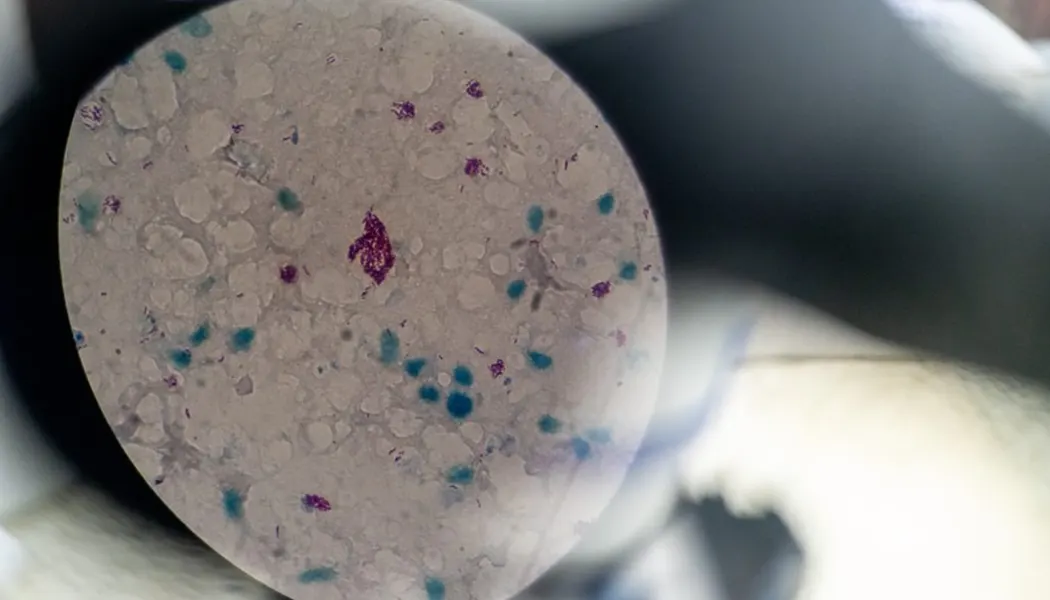
Leprosy, also known as Hansen’s Disease, is a chronic infectious disease caused by Mycobacterium leprae. It mainly affects the skin and peripheral nerves and can also involve the eyes and other tissues. When nerves are affected, a person may develop changes in sensation, muscle weakness, and difficulties with movement or hand and foot function. Early diagnosis and appropriate medical treatment are important because leprosy is curable, and early treatment can help prevent or reduce long-term complications. At Pure Physio, physiotherapy focuses on maintaining joint mobility, muscle strength, hand and foot function, balance, mobility, and independence as part of a multidisciplinary treatment plan.
Appropriate treatment with multidrug therapy is used to treat the infection.
Early diagnosis and treatment are important to reduce the risk of complications.
What Are The Symptoms Of Leprosy?
Symptoms of leprosy can develop gradually and may vary depending on the type and extent of the disease. Common signs include skin patches or lesions that may be lighter, darker, reddish, or discoloured compared with the surrounding skin, often with reduced sensation to touch, pain, or temperature. Affected peripheral nerves may become enlarged or damaged, leading to numbness, tingling, reduced ability to feel pain or heat, and muscle weakness. Some people may develop weakness in the hands or feet, difficulty gripping objects, foot drop, clawing of the fingers, or other changes in movement when nerve damage becomes significant. Because sensation may be reduced, repeated injuries, burns, cuts, or pressure sores can occur without being noticed. Other possible symptoms include dry skin, reduced sweating in affected areas, eye dryness or difficulty closing the eyelids, joint stiffness, and reduced ability to perform everyday activities. Early medical assessment is important if leprosy is suspected, as prompt treatment can help prevent further nerve damage and complications.
What Are The Causes Of Leprosy?
Leprosy is caused by infection with:
Mycobacterium leprae
In some regions, another related organism called:
Mycobacterium lepromatosis
may also cause Hansen’s disease.
The bacteria mainly affect the:
Skin
Peripheral Nerves
The exact way leprosy spreads is not completely understood, but it is believed to occur mainly through prolonged, close contact with an untreated person, with respiratory droplets thought to play a role in transmission.
Most people do not develop leprosy even if they are exposed to the bacteria because of their natural immune response.
Leprosy is not caused by:
Poor Hygiene
Casual Contact
Sharing Food
Touching Someone Briefly
A Curse or Hereditary Punishment
Once appropriate multidrug treatment has started, the risk of transmitting the disease is greatly reduced.
Diagnosis Of Leprosy
Medical History: A healthcare professional will ask about skin changes, loss of sensation, nerve-related symptoms, contact history, and other relevant symptoms.
Skin Examination: Skin patches, lesions, colour changes, and areas with altered sensation are assessed.
Sensory Testing: The ability to feel light touch, pain, and temperature may be tested in affected areas.
Peripheral Nerve Examination: Nerves may be assessed for enlargement, tenderness, and signs of nerve damage.
Muscle Strength Testing: Healthcare professionals may assess weakness in the hands, feet, or other affected muscles.
Eye Examination: The eyes may be assessed when there are symptoms or signs of involvement.
Skin Smear: In selected cases, a sample may be examined for the presence of the bacteria.
Skin Biopsy: A small tissue sample may be examined to support the diagnosis in certain cases.
Additional Tests: Further investigations may be performed depending on symptoms and the clinical situation.
Diagnosis should be made by an appropriately qualified healthcare professional with experience in assessing and managing leprosy.
Treatment Of Leprosy
Multidrug Therapy (MDT): Leprosy is treated with a combination of antibiotics prescribed according to the type of disease and national or international treatment guidelines.
Early Medical Treatment: Prompt treatment helps cure the infection and can reduce the risk of further complications.
Management of Nerve Involvement: Nerve function should be monitored, and new weakness or sensory changes require medical assessment.
Management of Leprosy Reactions: Some people may develop inflammatory reactions that require additional medical treatment.
Skin Care: Regular inspection and care of areas with reduced sensation can help prevent injuries and complications.
Hand and Foot Protection: Protective footwear, gloves, or other strategies may help reduce the risk of injury when sensation is impaired.
Wound Care: Cuts, ulcers, or pressure injuries require appropriate medical care.
Eye Care: Eye symptoms or difficulty closing the eyelids require prompt assessment and treatment.
Physiotherapy: Rehabilitation can help maintain mobility, strength, muscle function, balance, and independence.
Occupational Therapy: Occupational therapy may support hand function, daily activities, adaptive techniques, and independence.
Orthotic Support: Splints, braces, or other devices may be recommended for selected individuals with weakness or deformity.
Reconstructive Surgery: In selected cases, surgery may help improve function or correct significant deformities.
Regular Follow-Up: Ongoing monitoring helps identify changes in nerve function, skin health, movement, and overall function.
What Is The Physiotherapy Treatment Of Leprosy
Detailed Physical Assessment: At Pure Physio, we assess muscle strength, joint mobility, sensation, balance, walking, hand and foot function, posture, and everyday physical abilities.
Individualised Rehabilitation Programme: Your treatment is tailored according to your symptoms, nerve involvement, physical abilities, functional limitations, and recovery goals.
Range of Motion Exercises: Carefully selected exercises help maintain or improve movement in affected joints.
Muscle Strengthening: Progressive exercises help maintain and improve strength in muscles affected by weakness.
Hand Function Rehabilitation: Exercises may support grip, finger movement, coordination, and functional hand use.
Foot and Ankle Rehabilitation: Treatment may address weakness, foot positioning, walking difficulties, and functional mobility.
Stretching Exercises: Targeted stretching may help reduce the risk of muscle tightness and joint stiffness.
Prevention of Contractures: Regular movement, positioning, stretching, and splinting guidance may help prevent or manage joint contractures.
Balance Training: Exercises help improve stability and confidence during standing and walking.
Walking Rehabilitation: Physiotherapy can support safe and efficient walking patterns.
Foot Drop Rehabilitation: When present, rehabilitation may include strengthening, movement training, and guidance regarding appropriate orthotic support.
Functional Movement Training: Exercises focus on practical activities such as standing, walking, reaching, gripping, carrying, and performing daily tasks.
Protective Sensation Education: We provide guidance on checking the skin and protecting areas with reduced sensation from burns, cuts, pressure, and repeated injury.
Joint and Limb Positioning: Appropriate positioning strategies may help maintain comfortable movement and reduce unnecessary strain.
Splinting and Orthotic Guidance: When appropriate, we provide guidance regarding splints, braces, or orthotic devices as part of your overall rehabilitation.
Home Exercise Programme: A personalised programme supports continued mobility, strengthening, and functional practice between appointments.
Progress Monitoring: Your rehabilitation is regularly reviewed and adjusted according to strength, movement, nerve function, walking ability, hand and foot function, and overall progress.
Why Choose Pure Physio?
Comprehensive Functional Assessment: We assess movement, strength, joint mobility, balance, walking, hand and foot function, and everyday physical abilities.
Personalised Rehabilitation Plans: Your programme is tailored according to nerve involvement, symptoms, physical abilities, functional needs, and personal goals.
Focus on Maintaining Mobility: Carefully selected exercises help maintain joint movement and physical function.
Strength and Function Rehabilitation: Progressive treatment supports affected muscles and helps improve functional ability.
Hand and Foot Rehabilitation: Targeted therapy addresses movement, strength, coordination, grip, walking, and foot function.
Contracture Prevention and Management: Rehabilitation aims to maintain flexibility and reduce the impact of joint stiffness.
Balance and Walking Support: Targeted exercises help improve stability, mobility, and confidence.
Protective Care Education: Practical guidance helps you protect areas with reduced sensation and identify potential injuries early.
Functional Independence Focus: Therapy targets meaningful daily activities and participation.
Safe Exercise Progression: Your programme is adapted according to symptoms, nerve involvement, strength, mobility, and functional progress.
Home Exercise Guidance: You receive a personalised programme to support consistent rehabilitation between appointments.
Regular Progress Monitoring: Treatment is reviewed and adapted according to changes in strength, movement, sensation, function, and physical needs.
Integrated Care Approach: We work alongside doctors, dermatologists, neurologists, occupational therapists, orthopaedic specialists, and other healthcare professionals when required.
Focused on Long-Term Function and Independence: Our goal is to help maintain mobility, protect affected areas, improve strength and physical function, and support confidence and independence in everyday life.
Start Your Recovery Journey Today
Don’t let pain, stiffness, or reduced mobility affect your daily life. Get personalised physiotherapy care designed around your condition and recovery goals.