
Knee Fracture
Restore knee movement, rebuild strength, and return to confident daily activity with personalised physiotherapy following a Knee Fracture.
Contents
Take the First Step Towards Better Movement
Our experienced physiotherapists are here to help you improve mobility, regain strength, and move with greater comfort and confidence.
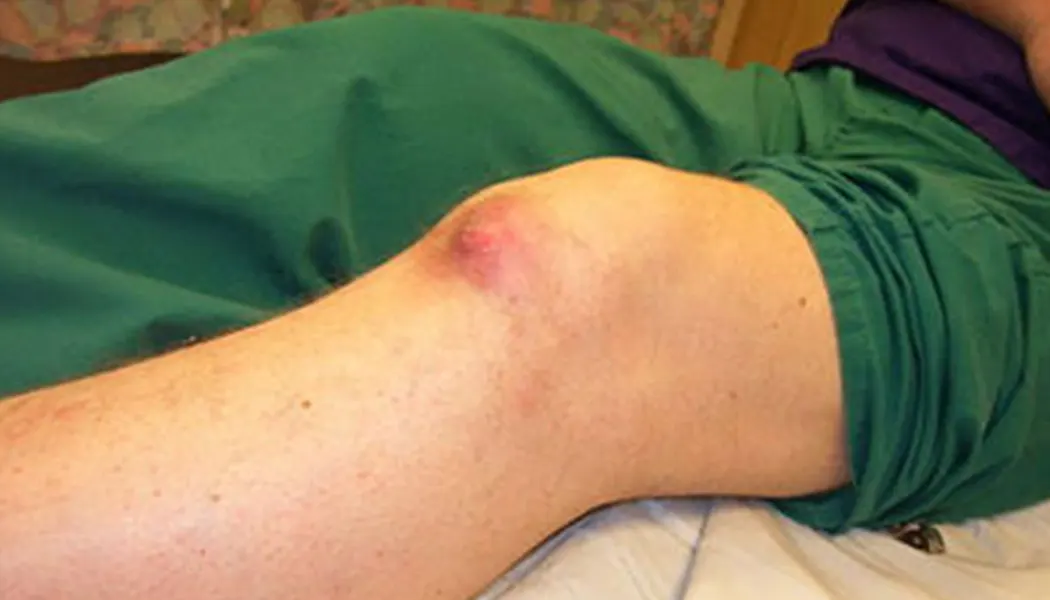
What is Knee Fracture?
A Knee Fracture occurs when one or more bones around the knee joint crack or break. Depending on the location of the injury, this may involve:
Patellar Fracture: A break in the kneecap.
Distal Femur Fracture: A fracture of the lower end of the thigh bone, near the knee.
Tibial Plateau Fracture: A fracture involving the upper surface of the shin bone where it forms part of the knee joint.
Proximal Tibia Fracture: A break in the upper part of the tibia near the knee.
The severity of a knee fracture can vary from a small, stable crack to a displaced or complex fracture involving the joint surface.
A fracture may be:
Stable: The broken bone remains in a suitable position.
Displaced: The broken pieces have moved out of their normal alignment.
Open: The fracture is associated with a wound that communicates with the fracture site and requires urgent medical treatment.
Comminuted: The bone has broken into multiple pieces.
Intra-Articular: The fracture extends into the joint surface and may affect long-term joint movement and function.
Because the knee is essential for weight-bearing and movement, appropriate diagnosis and treatment are important to support healing and reduce the risk of long-term problems.
What Are The Symptoms Of Knee Fracture?
Common Symptoms
Severe Knee Pain: Pain may occur immediately after the injury and can worsen with movement or weight-bearing.
Swelling: Significant swelling may develop around the knee.
Bruising: Discolouration may appear around the injured area.
Difficulty Moving the Knee: Bending or straightening the knee may be painful or difficult.
Difficulty Bearing Weight: Standing or walking may be difficult or impossible.
Tenderness: The area around the fracture may be very painful when touched.
Other Possible Symptoms
Visible Deformity: The knee or surrounding area may appear abnormally shaped.
Inability to Straighten the Knee: Some fractures, particularly certain patellar fractures, may affect the ability to actively straighten the knee.
Joint Stiffness: Reduced movement may develop after immobilisation or surgery.
Muscle Weakness: The muscles around the knee may weaken during recovery.
Instability: The knee may feel less stable, particularly if other structures were injured.
Numbness or Tingling: Altered sensation may occur if nerves are affected.
Cold or Pale Foot: Changes in circulation below the injury require urgent medical attention.
Open Wound: A fracture associated with a wound is an emergency and requires immediate medical care.
What Are The Causes Of Knee Fracture?
Falls: Falling directly onto the knee or landing awkwardly can cause a fracture.
Direct Impact: A strong blow to the knee can break the patella or other bones around the joint.
Road Traffic Accidents: High-energy impacts can cause complex fractures around the knee.
Sports Injuries: Collisions or significant falls during sports can result in fractures.
High-Energy Trauma: Major accidents can cause severe, displaced, or multiple fractures.
Twisting with Significant Force: In some cases, a powerful twisting force can contribute to fractures, particularly when combined with other trauma.
Osteoporosis: Weakened bones can increase the risk of fractures, particularly after a fall.
Bone Weakness: Certain medical conditions or treatments may reduce bone strength and increase fracture risk.
Diagnosis Of Knee Fracture
Medical History: A healthcare professional will ask how the injury occurred and review your symptoms and medical history.
Physical Examination: The knee is assessed for swelling, deformity, tenderness, movement, circulation, and nerve function.
X-Rays: X-rays are commonly used to confirm a fracture and assess bone alignment.
CT Scan: A CT scan may provide more detailed information about complex fractures, particularly fractures involving the joint surface.
MRI Scan: MRI may be used in selected cases to assess associated injuries to cartilage, ligaments, meniscus, tendons, or other soft tissues.
Circulation and Nerve Assessment: Pulses, skin colour, temperature, sensation, and muscle function may be checked to identify possible vascular or nerve injury.
A suspected knee fracture should be medically assessed promptly. Avoid trying to force the knee to move or bear weight until appropriate medical advice has been received.
Treatment Of Knee Fracture
Treatment depends on the type, location, alignment, and severity of the fracture, as well as associated injuries and individual health factors.
Immobilisation: A cast, splint, or brace may be used to protect the fracture while it heals.
Pain Management: Appropriate medication may be recommended by a healthcare professional.
Weight-Bearing Restrictions: You may need to avoid or limit weight-bearing for a period, depending on the fracture and treatment plan.
Crutches or Walking Aids: Assistive devices may be prescribed to help you move safely.
Regular Medical Follow-Up: Follow-up appointments and imaging may be required to monitor bone healing.
Surgical Treatment: Displaced, unstable, or complex fractures may require surgery to restore alignment and stabilise the bones.
Internal Fixation: Plates, screws, rods, or other devices may be used to hold the bone in the correct position.
Post-Operative Care: Rehabilitation follows the surgeon’s specific guidance regarding movement, weight-bearing, and activity restrictions.
Physiotherapy: Once medically appropriate, rehabilitation helps restore movement, strength, balance, walking ability, and functional independence.
What Is The Physiotherapy Treatment Of Knee Fracture
Detailed Assessment: At Pure Physio, we assess pain, swelling, knee movement, muscle strength, weight-bearing ability, walking pattern, balance, and functional limitations while following your medical restrictions.
Individualised Rehabilitation Programme: Your treatment is tailored according to the type of fracture, treatment received, healing stage, surgical instructions, weight-bearing status, symptoms, and personal recovery goals.
Pain and Swelling Management: Appropriate strategies may help manage discomfort and swelling during rehabilitation.
Safe Knee Mobility Exercises: Carefully selected exercises help gradually restore knee bending and straightening when permitted.
Early Movement of Unaffected Areas: Exercises for the hip, ankle, and other appropriate joints can help maintain mobility during periods of restricted activity.
Quadriceps Activation: Early exercises may help restore activation of the muscles at the front of the thigh.
Progressive Quadriceps Strengthening: Strengthening is gradually increased as healing and medical guidance allow.
Hamstring Strengthening: Exercises rebuild the strength and function of the muscles at the back of the thigh.
Hip and Gluteal Strengthening: Targeted exercises improve lower-limb strength and movement control.
Calf Strengthening: Progressive exercises support standing, walking, and overall lower-limb function.
Ankle Mobility Exercises: Controlled ankle movement helps maintain lower-limb mobility and muscle activity.
Balance and Proprioception Training: Exercises help restore stability, coordination, and confidence during standing and movement.
Progressive Weight-Bearing: Weight-bearing is gradually progressed strictly according to fracture healing and medical or surgical guidance.
Walking Rehabilitation: Therapy helps you transition safely from crutches or other walking aids towards a more normal and efficient walking pattern.
Movement Retraining: We help improve lower-limb control during standing, stepping, bending, and other functional activities.
Functional Strength Training: Rehabilitation progresses towards activities such as sit-to-stand, step-ups, controlled squats, and other movements when appropriate.
Stair Rehabilitation: Therapy helps rebuild the strength and control needed for safe stair climbing and descending.
Return to Work Rehabilitation: Your programme can be tailored to the physical demands of your work.
Return to Exercise and Sport: Higher-level activities are gradually introduced when the fracture has healed sufficiently and your strength and function are appropriate.
Post-Operative Rehabilitation: If surgery was required, your programme follows the surgeon’s protocol and specific recovery instructions.
Home Exercise Programme: A personalised programme supports continued mobility, strengthening, and recovery between appointments.
Progress Monitoring: Your rehabilitation is regularly reviewed and adjusted according to fracture healing, medical guidance, pain, movement, strength, walking ability, and functional improvement.
Why Choose Pure Physio?
Comprehensive Post-Fracture Assessment: We assess movement, strength, swelling, walking ability, balance, weight-bearing tolerance, and functional limitations.
Rehabilitation Based on Your Medical Plan: Your physiotherapy follows appropriate medical and surgical guidance regarding fracture healing, movement, and weight-bearing.
Personalised Recovery Plans: Your programme is tailored according to your specific fracture, treatment, healing stage, physical demands, and personal goals.
Restore Knee Movement: Carefully progressed exercises help reduce stiffness and restore comfortable knee bending and straightening.
Rebuild Lower-Limb Strength: Progressive rehabilitation targets the quadriceps, hamstrings, hips, gluteals, calves, and other muscles supporting movement.
Safe Weight-Bearing Progression: We help you progress safely according to your healing status and medical guidance.
Improve Walking Ability: Structured rehabilitation supports a safe transition from walking aids towards independent movement.
Balance and Stability Training: Targeted exercises help improve coordination, stability, and confidence.
Functional Recovery Focus: Therapy targets meaningful activities such as standing, walking, climbing stairs, bending, squatting, and returning to daily routines.
Return to Work Support: Rehabilitation can be adapted to help you prepare for the physical demands of your occupation.
Safe Return to Exercise and Sport: Higher-level activities are introduced progressively when medically appropriate and based on your functional recovery.
Post-Surgical Rehabilitation: Structured physiotherapy supports recovery following fracture fixation or other surgical treatment.
Home Exercise Guidance: You receive a personalised programme to support consistent progress between appointments.
Regular Progress Monitoring: Your rehabilitation is reviewed and adapted according to fracture healing, pain, movement, strength, weight-bearing ability, and function.
Integrated Care Approach: We work alongside orthopaedic surgeons, doctors, and other healthcare professionals when required.
Focused on Long-Term Knee Function: Our goal is to support safe recovery, restore movement, rebuild strength, improve confidence, and help you return to the everyday activities that matter most.
Start Your Recovery Journey Today
Don’t let pain, stiffness, or reduced mobility affect your daily life. Get personalised physiotherapy care designed around your condition and recovery goals.