
Knee Bursitis
Relieve knee pain, reduce strain, and return to comfortable movement with personalised physiotherapy for knee bursitis.
Contents
Take the First Step Towards Better Movement
Our experienced physiotherapists are here to help you improve mobility, regain strength, and move with greater comfort and confidence.
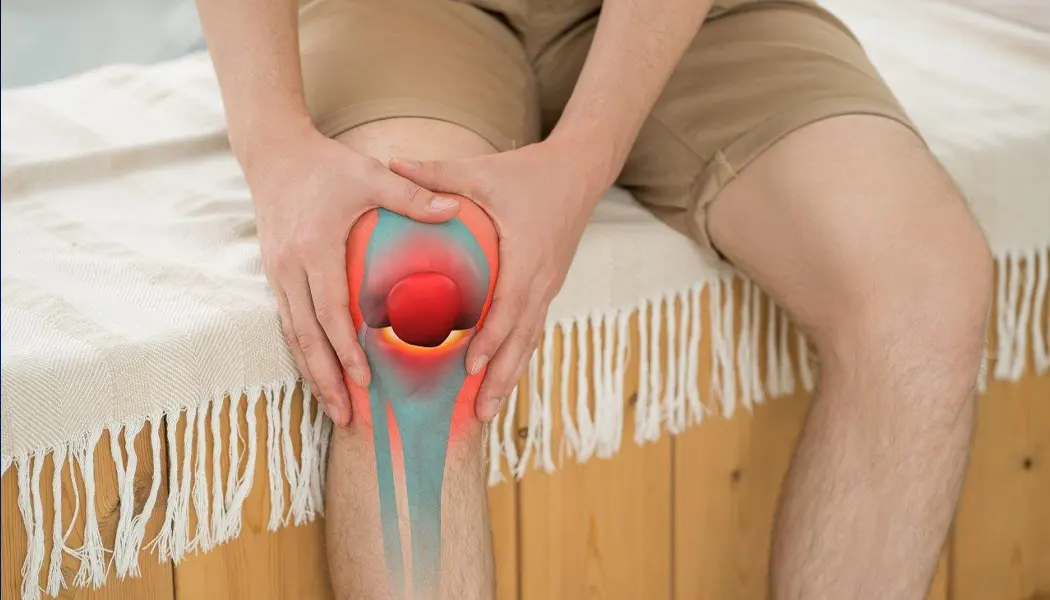
What is Knee Bursitis?
Knee Bursitis is a condition in which one or more small fluid-filled sacs around the knee, called bursae, become irritated or inflamed. These bursae help reduce friction between bones, tendons, muscles, and skin. When irritated, they can cause pain, swelling, tenderness, and difficulty bending or kneeling. Knee bursitis may develop due to repeated pressure on the knee, injury, overuse, infection, or certain medical conditions. At Pure Physio, treatment focuses on reducing stress on the affected area, improving knee movement, addressing contributing muscle weakness or movement patterns, and helping you return safely to everyday activities.
A bursa is a small sac filled with fluid.
Bursae are located around joints throughout the body.
They help:
Reduce Friction
Cushion Tissues
Allow Smooth Movement
Around the knee, several bursae help protect tissues during movement.
Commonly affected bursae include:
Prepatellar Bursa
Located:
In Front of the Kneecap
Inflammation of this bursa is called:
Prepatellar Bursitis
It may develop from repeated kneeling and is sometimes called:
Housemaid’s Knee
Infrapatellar Bursa
Located:
Below the Kneecap
Inflammation may cause pain and swelling in the front of the knee.
Pes Anserine Bursa
Located:
On the Inner Side of the Knee
Inflammation here is called:
Pes Anserine Bursitis
When a knee bursa becomes irritated, it can become:
Inflamed
Swollen
Painful
Knee bursitis may be:
Acute
or
Chronic
It is important to identify the affected bursa and the underlying cause because treatment can vary.
What Are The Symptoms Of Knee Bursitis?
Knee Pain: Pain may occur around the affected bursa.
Localised Swelling: A noticeable swollen area may develop around the knee.
Tenderness: The affected area may be painful when touched or pressed.
Warmth: The skin over an inflamed bursa may feel warm.
Redness: Redness can occur, particularly when inflammation is significant.
Pain When Kneeling: Pressure on the knee may cause significant discomfort.
Pain During Movement: Bending or straightening the knee may aggravate symptoms.
Stiffness: The knee may feel stiff, particularly when swelling is present.
Difficulty Walking: Pain may cause limping or reduced weight-bearing.
Reduced Knee Movement: Significant pain or swelling may make it difficult to fully bend or straighten the knee.
Pain with Stairs: Climbing or descending stairs may aggravate symptoms.
Discomfort During Prolonged Activity: Repeated walking, squatting, or other activities may worsen symptoms.
Visible Lump or Swelling: Prepatellar bursitis may cause a noticeable fluid-filled swelling in front of the kneecap.
Symptoms may differ depending on which bursa is affected.
Significant redness, warmth, rapidly increasing swelling, fever, chills, or feeling unwell may indicate an infection and requires prompt medical assessment.
What Are The Causes Of Knee Bursitis?
Knee bursitis can develop when a bursa is exposed to repeated pressure, injury, or inflammation.
Repeated Kneeling: Frequent kneeling during work, cleaning, gardening, prayer, or other activities can irritate the bursa in front of the kneecap.
Direct Injury: A fall or direct blow to the knee can cause irritation and swelling.
Overuse: Repeated movements and excessive loading may irritate tissues around the knee.
Sudden Increase in Activity: Rapidly increasing exercise or physical activity can contribute to irritation.
Muscle Tightness: Tight muscles around the hip, thigh, or knee may alter movement and increase stress on certain tissues.
Muscle Weakness: Reduced strength can affect knee control and movement patterns.
Poor Movement Mechanics: Altered walking, running, squatting, or stair-climbing patterns may contribute to excessive stress.
Prolonged Pressure: Spending long periods leaning or resting on the knees can irritate certain bursae.
Inflammatory Conditions: Conditions such as rheumatoid arthritis can increase the risk of bursitis.
Gout: Crystal-related inflammation can affect a bursa.
Infection: A bursa can become infected, particularly after a skin injury or wound.
Previous Knee Problems: Other knee injuries or conditions may contribute to altered movement and increased stress.
Diagnosis Of Knee Bursitis
Medical History: A healthcare professional will ask about pain, swelling, recent injuries, repetitive kneeling, activity levels, occupation, and medical history.
Physical Examination: The knee is assessed for swelling, tenderness, warmth, redness, and movement restrictions.
Location Assessment: Identifying the exact location of swelling and pain can help determine which bursa is affected.
Knee Range of Motion: Bending and straightening of the knee are assessed.
Functional Assessment: Walking, kneeling, squatting, stairs, and other activities may be evaluated.
Strength Assessment: The strength of the muscles around the hip and knee may be assessed.
Movement Assessment: Walking and other movement patterns may be evaluated when relevant.
Ultrasound: Ultrasound can identify fluid within a bursa and assess surrounding soft tissues.
X-Rays: X-rays may be used to rule out certain bone problems or other causes of knee pain.
MRI: MRI may be considered when the diagnosis is unclear or another knee condition is suspected.
Fluid Aspiration: A healthcare professional may remove fluid from the bursa for testing when infection or gout is suspected.
Blood Tests: Blood tests may be required when infection or an inflammatory condition is suspected.
Treatment Of Knee Bursitis
Treatment depends on the cause, severity, affected bursa, and whether infection or another medical condition is involved.
Rest and Activity Modification: Temporarily reducing activities that aggravate the knee may allow symptoms to settle.
Avoiding Direct Pressure: Reducing kneeling or using protective knee pads may help protect the affected area.
Cold Therapy: Cold may help reduce pain and swelling during an acute flare when used appropriately.
Pain Management: A doctor may recommend suitable medication when required.
Anti-Inflammatory Medication: Medication may be considered depending on the individual’s health and the cause of symptoms.
Physiotherapy: A structured programme can help restore movement, strength, and knee function.
Compression: Appropriate compression may help manage swelling in selected cases.
Treatment of Underlying Conditions: Gout, inflammatory arthritis, or other contributing conditions may require medical management.
Aspiration: Fluid may be removed from a significantly swollen bursa when clinically appropriate.
Corticosteroid Injection: An injection may be considered for selected cases after appropriate medical assessment.
Antibiotics: If bursitis is caused by a bacterial infection, prompt medical treatment with antibiotics may be required.
Surgery: Surgery is rarely required but may be considered for persistent or recurrent cases that do not respond to appropriate treatment.
What Is The Physiotherapy Treatment Of Knee Bursitis
Detailed Assessment: At Pure Physio, we assess your pain, swelling, knee movement, muscle strength, walking pattern, activity demands, and possible contributing factors.
Pain-Guided Rehabilitation: Exercises are adapted according to pain levels and the stage of recovery.
Knee Mobility Exercises: Gentle exercises help maintain or restore comfortable bending and straightening of the knee.
Quadriceps Strengthening: Progressive exercises help strengthen the muscles at the front of the thigh that support the knee.
Hamstring Strengthening: Exercises may improve strength and control at the back of the thigh.
Hip Strengthening: Strengthening the hip and pelvic muscles can support better lower-limb alignment and movement control.
Flexibility Exercises: Carefully selected stretches may address tightness in surrounding muscles.
Movement Re-Education: Rehabilitation can address movement patterns during walking, squatting, stairs, and other activities.
Gait Training: We help restore a comfortable and efficient walking pattern when pain has caused limping.
Balance Training: Exercises may improve lower-limb stability and confidence.
Gradual Activity Progression: Activities are gradually reintroduced according to symptoms and functional recovery.
Kneeling Modifications: We provide practical advice on reducing direct pressure and safely modifying activities that involve kneeling.
Supportive Equipment Guidance: Advice regarding knee pads or other protective measures may be provided when appropriate.
Home Exercise Programme: A personalised programme supports continued recovery between sessions.
Progress Monitoring: Your treatment plan is regularly reviewed and adjusted according to pain, swelling, movement, and functional progress.
Physiotherapy is generally introduced once serious causes, including infection, have been appropriately assessed or excluded.
Why Choose Pure Physio?
Detailed Knee Assessment: We assess the location of your pain and swelling, knee movement, strength, walking pattern, and functional limitations.
Personalised Rehabilitation Plans: Your treatment is adapted to the affected area, symptoms, lifestyle, work demands, and recovery goals.
Focus on Pain and Movement: Rehabilitation aims to reduce the impact of pain while restoring comfortable knee movement.
Strength and Knee Support: We progressively strengthen the muscles that support and control the knee.
Movement Correction: We address walking, squatting, stair climbing, and other movement patterns that may contribute to unnecessary knee stress.
Safe Activity Progression: Activities and exercises are reintroduced gradually according to your symptoms and recovery.
Practical Lifestyle Guidance: We provide advice on kneeling, work activities, exercise, and ways to reduce repeated pressure on the affected area.
Functional Rehabilitation: Treatment focuses on helping you return comfortably to walking, stairs, work, household tasks, exercise, and other daily activities.
Regular Progress Monitoring: Your rehabilitation programme is reviewed and adjusted according to changes in pain, swelling, and function.
Integrated Care Approach: When aspiration, medication, injections, or treatment for an underlying medical condition is required, we can support rehabilitation alongside your healthcare team.
Focused on Long-Term Knee Health: Our goal is to help you recover movement and strength, reduce unnecessary strain, and return confidently to the activities that matter to you.
Start Your Recovery Journey Today
Don’t let pain, stiffness, or reduced mobility affect your daily life. Get personalised physiotherapy care designed around your condition and recovery goals.