
Huntington’s Disease
Support movement, balance, independence, and quality of life with personalised physiotherapy tailored to every stage of Huntington's disease.
Contents
Take the First Step Towards Better Movement
Our experienced physiotherapists are here to help you improve mobility, regain strength, and move with greater comfort and confidence.
What is Huntington’s Disease?
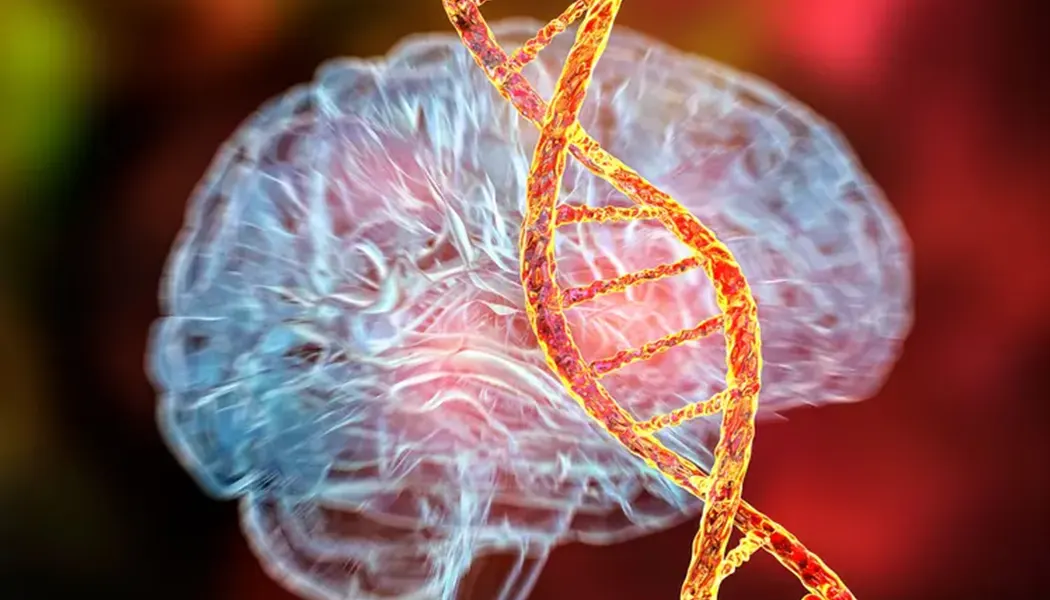
Huntington’s Disease is a rare, inherited neurological condition that gradually affects the brain. It can cause changes in movement, thinking, behaviour, and emotional functioning. Common movement-related symptoms include involuntary movements, known as chorea, difficulties with balance and coordination, walking changes, muscle stiffness, and reduced control of voluntary movement. Symptoms usually progress over time, although the pattern and rate of progression can vary between individuals. At Pure Physio, physiotherapy focuses on maintaining mobility and physical function, improving balance and movement control, reducing the risk of falls, supporting safe transfers and walking, and helping individuals remain as active and independent as possible.
Huntington’s Disease is a progressive genetic disorder that affects nerve cells in the brain.
It is caused by a change in the HTT gene.
This altered gene can be passed from a parent to a child.
The condition affects areas of the brain involved in:
Movement
Coordination
Thinking
Behaviour
Emotional Regulation
One of the characteristic movement symptoms is chorea.
Chorea refers to involuntary, irregular, and unpredictable movements that can affect different parts of the body.
As the condition progresses, individuals may experience increasing difficulty with:
Walking
Balance
Coordination
Speech
Swallowing
Hand Function
Planning and Organising Activities
Everyday Independence
Huntington’s disease can also affect:
Memory
Concentration
Decision-Making
Mood
Behaviour
The age at which symptoms begin varies. In many people, symptoms develop during adulthood, although a less common juvenile form can begin earlier.
Because Huntington’s disease is progressive, treatment focuses on managing symptoms, maintaining function, supporting independence, and improving quality of life.
What Are The Symptoms Of Huntington’s Disease?
Symptoms can vary between individuals and may gradually change over time.
Movement-Related Symptoms
Chorea: Involuntary, irregular movements of the face, arms, legs, or body.
Poor Balance: Difficulty maintaining stability while standing or walking.
Coordination Problems: Movements may become less accurate or more difficult to control.
Walking Changes: Gait may become unsteady, irregular, or less coordinated.
Difficulty with Voluntary Movement: Starting, controlling, or completing movements may become harder.
Muscle Stiffness: Some individuals may develop increased muscle tone or rigidity.
Slow Movement: Movements may become slower as the condition progresses.
Difficulty with Posture: Maintaining upright and stable posture may become challenging.
Frequent Falls: Balance and coordination problems can increase the risk of falls.
Reduced Hand Function: Fine motor tasks such as writing, buttoning clothes, or using utensils may become difficult.
Speech Difficulties: Muscle control problems can affect speech clarity.
Swallowing Difficulties: In later stages, swallowing may become more difficult and require specialist assessment.
Cognitive Symptoms
Difficulty Concentrating: Maintaining attention may become challenging.
Memory Changes: Forgetfulness and difficulty recalling information may occur.
Slower Thinking: Processing information and responding may take longer.
Difficulty Planning: Organising tasks or managing multiple steps may become difficult.
Reduced Problem-Solving Ability: Complex decisions and unfamiliar situations may become more challenging.
Behavioural and Emotional Symptoms
Mood Changes: Emotional changes may occur.
Irritability: Some individuals may become more easily frustrated.
Depression: Low mood can occur and requires appropriate professional support.
Anxiety: Feelings of worry or fear may develop.
Changes in Behaviour: Personality and behaviour may change over time.
Reduced Motivation: A person may experience reduced initiative or interest in activities.
Not every person experiences the same symptoms or progression.
What Are The Causes Of Huntington’s Disease?
Huntington’s disease is caused by an inherited genetic change.
HTT Gene Mutation: The condition results from a change in the gene responsible for producing the huntingtin protein.
Inheritance: The altered gene can be passed from an affected parent to their children.
Autosomal Dominant Inheritance: A person who inherits the disease-causing genetic change can develop the condition.
When one parent carries the disease-causing genetic change, each child has a:
50% Chance of Inheriting the Altered Gene
The condition is not caused by:
Exercise
An Injury
Diet
Poor Lifestyle Choices
A Contagious Infection
The age of symptom onset and the progression of the condition can vary.
People with a family history of Huntington’s disease may benefit from discussing genetic counselling and testing with appropriately qualified healthcare professionals.
Diagnosis Of Huntington’s Disease
Medical History: A healthcare professional will ask about symptoms, changes in movement, thinking, behaviour, and family history.
Neurological Examination: Movement, coordination, reflexes, muscle tone, balance, and walking are assessed.
Cognitive Assessment: Memory, attention, thinking, planning, and other cognitive functions may be evaluated.
Psychological Assessment: Mood, behaviour, and emotional symptoms may be assessed.
Family History Assessment: A family history of Huntington’s disease can provide important information.
Genetic Testing: A blood test can identify the disease-causing change in the HTT gene.
Genetic Counselling: Counselling is recommended before and after predictive genetic testing because the results can have significant personal and family implications.
Brain Imaging: MRI or CT scans may be used to support assessment and rule out other causes of symptoms.
Functional Assessment: Walking, balance, hand function, speech, swallowing, and everyday independence may be assessed.
Diagnosis and genetic testing should be managed through an appropriately qualified medical and genetics team.
Treatment Of Huntington’s Disease
There is currently no treatment that cures Huntington’s disease or stops its progression, but medical and rehabilitation care can help manage symptoms and support quality of life.
Neurological Care: A neurologist can monitor the condition and manage neurological symptoms.
Medication for Movement Symptoms: Doctors may prescribe medicines to help manage chorea and other movement-related symptoms when appropriate.
Medication for Mental Health Symptoms: Depression, anxiety, irritability, or other symptoms may require appropriate medical and psychological treatment.
Physiotherapy: Physiotherapy can support mobility, balance, strength, flexibility, posture, and physical function.
Occupational Therapy: Occupational therapy can help individuals maintain independence and adapt daily activities.
Speech and Language Therapy: Support may be required for speech, communication, and swallowing difficulties.
Nutritional Support: A dietitian may provide guidance when weight maintenance or swallowing becomes challenging.
Fall Prevention: Environmental modifications, exercise, mobility aids, and safety strategies may help reduce the risk of falls.
Assistive Devices: Walking aids, seating, and other equipment may support safe mobility and independence.
Family and Caregiver Support: Education and practical guidance can help families manage changing care needs.
Palliative and Supportive Care: As needs become more complex, supportive care can focus on comfort, dignity, symptom management, and quality of life.
What Is The Physiotherapy Treatment Of Huntington’s Disease
Physiotherapy is adapted according to the individual’s symptoms, physical abilities, stage of the condition, and personal goals.
Detailed Physical Assessment: At Pure Physio, we assess walking, balance, coordination, muscle strength, joint mobility, posture, involuntary movements, falls risk, transfers, and functional independence.
Individualised Exercise Programme: Exercises are selected according to the person’s abilities, safety, and goals.
Strengthening Exercises: Appropriate strengthening may help maintain muscle capacity and functional ability.
Balance Training: Exercises focus on improving stability during standing and movement.
Walking Rehabilitation: Gait training may help maintain safe and efficient walking for as long as possible.
Coordination Training: Structured activities may help support movement control and functional coordination.
Postural Exercises: Rehabilitation can address posture and positioning.
Mobility Exercises: Regular movement can help maintain available joint range and reduce the effects of prolonged inactivity.
Transfer Training: Therapy may include practising safe transfers between the bed, chair, toilet, and other surfaces.
Functional Task Training: Rehabilitation focuses on meaningful activities such as standing up, walking, reaching, turning, and other daily movements.
Fall Prevention Strategies: We provide practical training and guidance to improve safety and reduce falls risk.
Dual-Task Training: In selected individuals, safe activities involving movement and attention may be used to address everyday functional challenges.
Endurance Training: Appropriate aerobic activity may help maintain physical capacity when safe and tolerated.
Mobility Aid Guidance: We can provide guidance on the safe use of prescribed walking aids or other mobility equipment.
Caregiver Education: Family members and caregivers may receive guidance on safe movement, transfers, positioning, and mobility support.
Home Exercise Programme: A practical and personalised programme can support regular activity between sessions.
Regular Progress Review: The programme can be adjusted as symptoms and physical abilities change over time.
Why Choose Pure Physio?
Individualised Neurological Assessment: We assess each person’s specific movement difficulties, balance, coordination, mobility, and functional needs.
Personalised Rehabilitation Plans: Treatment is adapted to the individual’s symptoms, physical abilities, safety requirements, and personal goals.
Focus on Maintaining Independence: Rehabilitation aims to help individuals continue participating in meaningful everyday activities for as long as possible.
Balance and Fall Prevention: We focus on improving stability and providing practical strategies to support safer mobility.
Movement and Walking Support: Treatment addresses walking ability, posture, coordination, and functional movement.
Flexible Approach Across Different Stages: Rehabilitation can be modified as symptoms and care requirements change.
Functional and Practical Training: Exercises focus on real-life activities such as walking, transfers, standing, turning, and moving safely around the home.
Caregiver and Family Guidance: We can provide practical education to support safe mobility and everyday care.
Focus on Quality of Life: Our approach aims to support physical activity, confidence, participation, and comfort.
Integrated Care Approach: We can work alongside neurologists, physicians, occupational therapists, speech and language therapists, dietitians, and other healthcare professionals as part of coordinated long-term care.
Start Your Recovery Journey Today
Don’t let pain, stiffness, or reduced mobility affect your daily life. Get personalised physiotherapy care designed around your condition and recovery goals.