
Hip Osteoarthritis
Reduce hip pain, improve mobility, and move with greater confidence through personalised physiotherapy for Hip Osteoarthritis.
Contents
Take the First Step Towards Better Movement
Our experienced physiotherapists are here to help you improve mobility, regain strength, and move with greater comfort and confidence.
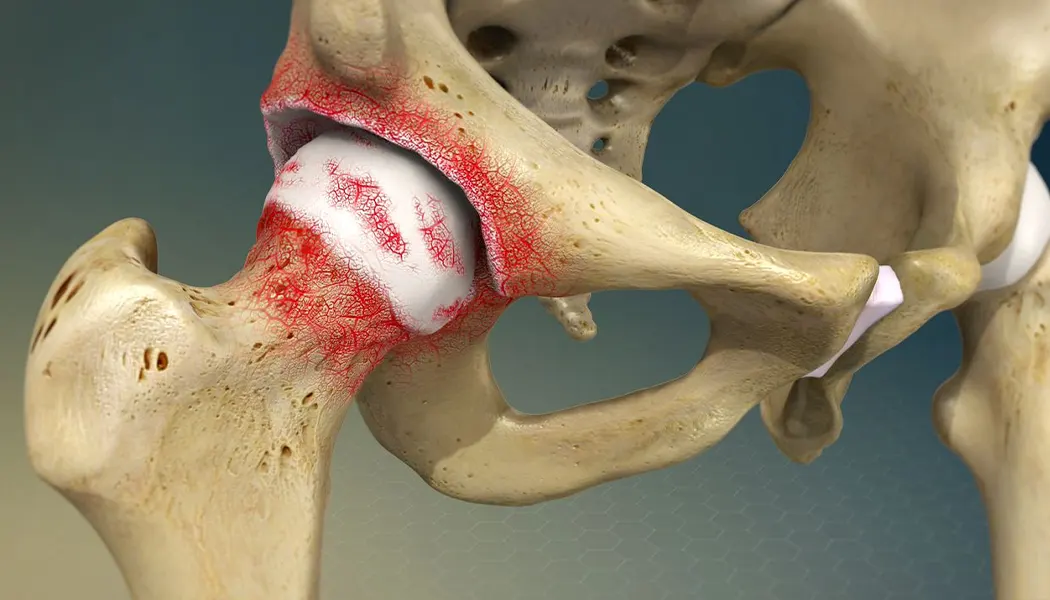
What is Hip Osteoarthritis?
Hip Osteoarthritis is a common condition that affects the hip joint, a ball-and-socket joint formed by the head of the femur (thigh bone) and the acetabulum (socket of the pelvis).
The surfaces of these bones are covered with articular cartilage, which helps the joint move smoothly. In osteoarthritis, changes can gradually occur in the cartilage, underlying bone, joint lining, and other structures around the joint.
These changes may lead to:
Joint Pain: Pain may occur during movement, weight-bearing, or sometimes at rest.
Stiffness: The hip may feel tight, particularly after inactivity.
Reduced Mobility: Bending, rotating, or extending the hip may become more difficult.
Changes in Joint Movement: The hip may move differently as symptoms progress.
Hip Osteoarthritis is not simply caused by “wear and tear.” Its development can involve multiple factors, including age, previous injury, joint structure, genetics, body weight, activity history, and other health-related factors.
Symptoms can range from mild to severe. Some people have joint changes visible on imaging with few symptoms, while others experience significant pain and functional limitations.
What Are The Symptoms Of Hip Osteoarthritis?
Common Symptoms
Hip or Groin Pain: Pain is often felt deep in the groin or around the hip.
Hip Stiffness: The joint may feel stiff, especially after resting or sitting for a long time.
Reduced Hip Movement: Bending, rotating, or extending the hip may become restricted.
Pain with Walking: Walking, particularly for longer distances, may increase discomfort.
Pain with Weight-Bearing: Standing and other weight-bearing activities may aggravate symptoms.
Difficulty with Everyday Activities: Tasks involving bending, walking, or standing may become more difficult.
Other Possible Symptoms
Pain in the Thigh: Hip pain may spread into the upper thigh.
Knee Pain: Pain from the hip can sometimes be felt around the knee.
Difficulty Climbing Stairs: Going up or down stairs may become painful or difficult.
Pain When Getting Up: Rising from a chair or getting out of bed may be uncomfortable.
Difficulty Putting on Shoes or Socks: Reduced hip movement may make dressing more difficult.
Pain Getting In or Out of a Car: Hip bending and rotation may aggravate symptoms.
Limping: Pain or stiffness may alter the way you walk.
Muscle Weakness: Reduced activity and pain can contribute to weakness around the hip.
Reduced Balance: Pain and muscle weakness may affect stability.
Night Pain: Some people experience discomfort that affects sleep.
What Are The Causes Of Hip Osteoarthritis?
Hip Osteoarthritis usually develops due to a combination of factors rather than one single cause.
Age: The likelihood of osteoarthritis increases with age.
Previous Hip Injury: Fractures, dislocations, or other injuries can increase the risk of joint changes.
Hip Dysplasia: Abnormal development or shape of the hip joint can affect how forces are distributed.
Femoroacetabular Impingement: Certain hip shape differences may contribute to long-term joint stress.
Family History: Genetics may influence the risk of developing osteoarthritis.
Joint Structure: Individual differences in hip anatomy may affect joint loading.
Previous Hip Surgery: Past surgical procedures may affect the joint over time.
High Physical Loading: Repeated heavy occupational or sporting demands may contribute in some individuals.
Muscle Weakness: Reduced strength and joint control may affect how the hip manages movement and load.
Body Weight: Higher body weight can increase the overall load placed on the hip during weight-bearing activities.
Other Joint Conditions: Certain medical conditions affecting joints can increase the risk of osteoarthritis.
Diagnosis Of Hip Osteoarthritis
Medical History: A healthcare professional will ask about your symptoms, activity levels, previous injuries, medical history, and functional difficulties.
Physical Examination: The hip is assessed for pain, stiffness, movement, strength, walking ability, and functional limitations.
Hip Range of Motion Testing: Bending, rotating, and extending the hip are assessed.
Strength Testing: The strength of the hip and surrounding muscles may be evaluated.
Walking Assessment: Your gait may be assessed to identify pain-related or movement-related changes.
Functional Assessment: Activities such as sitting, standing, walking, climbing stairs, and squatting may be assessed.
X-Rays: X-rays may show changes such as joint-space narrowing and changes in bone shape associated with osteoarthritis.
MRI Scan: MRI is not always required but may be used when another condition is suspected or additional information is needed.
Blood Tests: In some cases, blood tests may help rule out other causes of joint symptoms.
A diagnosis is based on your symptoms and clinical assessment, with imaging used when appropriate. The severity of changes seen on an X-ray does not always directly match the amount of pain a person experiences.
Treatment Of Hip Osteoarthritis
Treatment is based on symptoms, functional limitations, overall health, activity goals, and individual needs.
Education: Understanding the condition and learning how to manage symptoms can support long-term joint health.
Regular Exercise: Appropriate physical activity can help maintain mobility, strength, and overall function.
Physiotherapy: Rehabilitation can improve hip strength, movement, balance, walking ability, and confidence with activity.
Activity Modification: Adjusting certain activities may help manage symptoms while allowing you to remain active.
Load Management: Balancing activity and recovery can help reduce unnecessary symptom flare-ups.
Pain Management: Appropriate medication may be recommended by a healthcare professional when required.
Weight Management Support: For people for whom it is appropriate, achieving and maintaining a healthy body weight may help reduce joint loading and support overall health.
Walking Aids: A cane or other mobility aid may be recommended in some cases to improve safety and walking comfort.
Injection Therapy: In selected cases, a healthcare professional may discuss injection treatment.
Hip Replacement Surgery: Total hip replacement may be considered when symptoms remain severe and significantly affect quality of life despite appropriate non-surgical management.
What Is The Physiotherapy Treatment Of Hip Osteoarthritis
Detailed Assessment: At Pure Physio, we assess pain, hip movement, muscle strength, walking ability, balance, functional limitations, activity levels, and your individual goals.
Individualised Rehabilitation Programme: Your treatment is tailored according to your symptoms, mobility, strength, daily activities, work demands, lifestyle, and recovery goals.
Pain Management Strategies: Appropriate physiotherapy techniques may help manage discomfort and support comfortable movement.
Hip Mobility Exercises: Controlled exercises help maintain or improve comfortable hip movement.
Gentle Range of Motion Training: Exercises help reduce stiffness and maintain functional joint mobility.
Hip Strengthening: Progressive exercises strengthen the muscles that support the hip joint.
Gluteal Strengthening: Targeted exercises help improve strength in the buttock muscles, which are important for walking and lower-limb control.
Thigh Strengthening: Exercises strengthen the muscles supporting standing, walking, and stair climbing.
Core Strengthening: Exercises can improve trunk and pelvic control during everyday movement.
Balance Training: Targeted exercises help improve stability and confidence.
Walking Rehabilitation: Therapy can help improve walking ability, endurance, and movement efficiency.
Functional Strength Training: Rehabilitation includes practical movements such as sit-to-stand, step-ups, squats, and other exercises progressed according to your ability.
Stair Climbing Rehabilitation: Exercises help improve the strength and control needed for safe stair use.
Low-Impact Exercise Guidance: We may provide guidance on suitable activities that help maintain fitness while managing hip symptoms.
Activity and Load Management: We help you find an appropriate balance between exercise, activity, and recovery.
Movement Retraining: Guidance may help improve movement patterns during walking, bending, lifting, and other daily tasks.
Walking Aid Training: If a mobility aid is recommended, we provide guidance on its safe and effective use.
Pre-Operative Rehabilitation: If hip replacement surgery is being considered, strengthening and conditioning may help prepare you for recovery.
Post-Operative Rehabilitation: After hip replacement surgery, your programme follows the surgeon’s recommendations and appropriate healing timelines.
Home Exercise Programme: A personalised programme supports continued mobility and strengthening between appointments.
Progress Monitoring: Your treatment is regularly reviewed and progressed according to pain, movement, strength, walking ability, balance, and functional improvement.
Why Choose Pure Physio?
Comprehensive Hip Assessment: We assess hip pain, stiffness, movement, strength, balance, walking ability, and functional limitations.
Personalised Rehabilitation Plans: Your programme is tailored according to your symptoms, lifestyle, activity level, work demands, and personal goals.
Focus on Pain Management: Treatment aims to help reduce discomfort and improve your ability to move and stay active.
Improve Hip Mobility: Carefully selected exercises help manage stiffness and support comfortable movement.
Build Strength: Progressive strengthening helps improve the muscles supporting the hip and lower limb.
Improve Balance and Stability: Targeted exercises support safer and more confident movement.
Restore Walking Confidence: Rehabilitation helps improve walking ability, endurance, and functional mobility.
Functional Recovery Focus: Therapy targets meaningful activities such as standing, walking, climbing stairs, bending, dressing, and getting in and out of a car.
Activity Management Support: We provide practical guidance to help you remain active while managing symptoms.
Safe Exercise Progression: Your programme is adjusted according to your symptoms, physical ability, and functional progress.
Pre and Post-Surgical Rehabilitation: We support you before and after hip replacement surgery when required.
Walking Aid Guidance: Practical training helps ensure prescribed mobility aids are used safely and effectively.
Home Exercise Guidance: You receive a personalised programme to support continued progress outside your appointments.
Regular Progress Monitoring: Your rehabilitation is reviewed and adapted according to changes in pain, movement, strength, balance, walking ability, and function.
Integrated Care Approach: We work alongside doctors, orthopaedic specialists, and other healthcare professionals when required.
Focused on Long-Term Mobility: Our goal is to help reduce pain, maintain mobility, rebuild strength, improve confidence with movement, and support you in staying active and independent.
Start Your Recovery Journey Today
Don’t let pain, stiffness, or reduced mobility affect your daily life. Get personalised physiotherapy care designed around your condition and recovery goals.