
Hip Impingement
Reduce hip pain, improve movement, and return to comfortable daily activities with personalised physiotherapy for Hip Impingement.
Contents
Take the First Step Towards Better Movement
Our experienced physiotherapists are here to help you improve mobility, regain strength, and move with greater comfort and confidence.
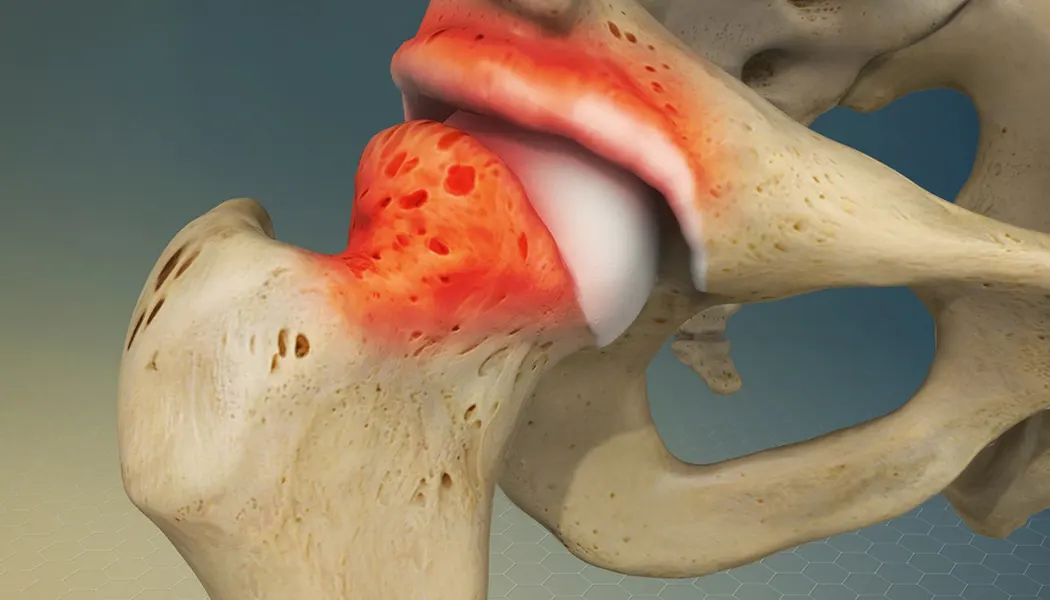
What is Hip Impingement?
Hip Impingement, also known as Femoroacetabular Impingement (FAI), occurs when there is abnormal contact between the bones of the hip joint during certain movements. This can cause pain, stiffness, and difficulty with activities such as sitting, squatting, bending, twisting, or participating in sports. Symptoms are commonly felt in the groin or front of the hip and may gradually develop over time or appear after repeated hip loading. At Pure Physio, physiotherapy focuses on reducing pain, improving hip movement, strengthening the muscles around the hip and pelvis, improving movement control, and helping you return safely to everyday activities and exercise.
The hip is a ball-and-socket joint made up of:
Femoral Head: The rounded upper part of the thigh bone.
Acetabulum: The socket-shaped part of the pelvis that holds the femoral head.
Normally, these structures move smoothly together. In FAI, differences in the shape of the femur, acetabulum, or both can cause the bones to come into contact earlier than expected during certain movements, particularly deep hip bending and rotation.
There are three main types of FAI:
Cam Impingement: An irregular shape around the femoral head or neck causes abnormal contact with the hip socket.
Pincer Impingement: Extra or prominent bone around the edge of the hip socket contributes to excessive contact.
Mixed Impingement: Features of both cam and pincer impingement are present.
Repeated abnormal contact may irritate structures within the hip joint, including the labrum and cartilage. However, bone shape changes seen on imaging do not always cause symptoms, so FAI should be assessed together with a person’s symptoms, movement, and functional limitations.
What Are The Symptoms Of Hip Impingement?
Common Symptoms
Groin Pain: Pain deep in the groin or front of the hip is one of the most common symptoms.
Front Hip Pain: Discomfort may be felt at the front of the hip during movement.
Hip Stiffness: The hip may feel tight or restricted.
Pain with Deep Hip Bending: Squatting or bending deeply may increase symptoms.
Pain with Prolonged Sitting: Sitting for long periods may cause hip or groin discomfort.
Reduced Hip Movement: Bending or rotating the hip may become uncomfortable or limited.
Other Possible Symptoms
Pain with Twisting: Pivoting or rotating on the affected leg may aggravate symptoms.
Pain During Sport: Running, kicking, jumping, and rapid direction changes may increase discomfort.
Clicking or Catching: Some people experience clicking, catching, or a feeling of blockage within the hip.
Pain When Getting Out of a Car: Hip bending and rotation may make entering or leaving a car uncomfortable.
Difficulty Squatting: Deep squats may be painful or restricted.
Pain with Walking: Walking for longer periods may aggravate symptoms in some people.
Hip Weakness: The hip muscles may feel weak or less stable.
Difficulty with Everyday Activities: Dressing, climbing stairs, bending, sitting, and exercising may become uncomfortable.
What Are The Causes Of Hip Impingement?
Bone Shape Differences: Changes in the shape of the femoral head, femoral neck, or acetabulum can contribute to abnormal hip contact.
Repetitive Hip Movements: Repeated deep bending and rotation may aggravate symptoms in susceptible individuals.
Sports Activities: Sports involving frequent squatting, kicking, twisting, jumping, or rapid direction changes may place repeated stress on the hip.
High Levels of Hip Loading: Repetitive training and physical activity can contribute to symptoms.
Sudden Increase in Activity: Rapidly increasing training intensity, frequency, or duration may overload the hip.
Previous Hip Injury: Trauma or previous hip injuries may affect joint function and movement.
Movement Control Problems: Poor control of the hip and pelvis may contribute to inefficient loading patterns.
Muscle Weakness: Reduced strength in the hip and pelvic muscles may affect joint control during movement.
Associated Hip Conditions: Hip labral tears, cartilage changes, and other joint conditions may occur alongside FAI.
Diagnosis Of Hip Impingement
Medical History: A healthcare professional will ask about pain location, activities, sports, previous injuries, and movements that aggravate symptoms.
Physical Examination: The hip is assessed for movement, pain, strength, stability, and functional limitations.
Hip Range of Motion Testing: Bending, rotating, and other hip movements are assessed.
Provocation Tests: Specific hip positions may reproduce symptoms and help identify possible joint involvement.
Strength Testing: The muscles around the hip, pelvis, and trunk may be evaluated.
Functional Assessment: Squatting, walking, stair climbing, balance, and sport-specific movements may be assessed.
X-Rays: X-rays can help assess hip bone shape and identify features associated with cam or pincer morphology.
MRI Scan: MRI may assess the labrum, cartilage, and other soft tissues when required.
CT Scan: CT may provide detailed information about bone shape and joint anatomy in selected cases.
A diagnosis should be based on symptoms, physical examination, and appropriate imaging rather than bone shape findings alone.
Treatment Of Hip Impingement
Treatment depends on symptoms, functional limitations, associated hip problems, activity demands, and individual goals.
Activity Modification: Temporarily reducing or modifying movements that consistently aggravate symptoms may help manage pain.
Load Management: Adjusting exercise, training, sport, and daily activities can help reduce excessive stress on the hip.
Pain Management: Appropriate medication may be recommended by a healthcare professional when required.
Physiotherapy: Rehabilitation helps improve hip strength, movement control, functional capacity, and tolerance to everyday and sporting activities.
Movement Retraining: Improving hip, pelvis, and lower-limb movement patterns may reduce unnecessary joint stress.
Progressive Strengthening: Carefully progressed exercises can improve the strength and control of muscles supporting the hip.
Exercise Modification: Squatting, gym exercises, and sporting activities may be adapted according to symptoms and tolerance.
Injection Therapy: In selected cases, a healthcare professional may discuss diagnostic or therapeutic injection options.
Treatment of Associated Conditions: Labral injuries, cartilage problems, or other contributing conditions may require additional management.
Surgery: Hip arthroscopy may be considered for selected individuals with persistent symptoms and appropriate structural findings when non-surgical management has not provided sufficient improvement.
Post-Operative Rehabilitation: Physiotherapy is important after surgery to restore movement, strength, walking ability, and function.
What Is The Physiotherapy Treatment Of Hip Impingement
Detailed Assessment: At Pure Physio, we assess hip pain, movement, muscle strength, pelvic control, walking patterns, balance, functional limitations, activity levels, and movements that aggravate symptoms.
Individualised Rehabilitation Programme: Your treatment is tailored according to your symptoms, hip structure, associated conditions, activity level, work demands, sport, and personal goals.
Pain Management Strategies: Appropriate physiotherapy techniques may help manage discomfort and support comfortable movement.
Activity Modification Guidance: We identify movements and activities that significantly aggravate symptoms and provide practical ways to modify them during recovery.
Hip Mobility Exercises: Carefully selected exercises help maintain or improve comfortable hip movement within your individual tolerance.
Movement Control Training: Exercises help improve control of the hip, pelvis, and lower limb during everyday and sporting movements.
Hip Strengthening: Progressive exercises strengthen the muscles supporting the hip joint.
Gluteal Strengthening: Targeted exercises improve the strength and endurance of the buttock muscles.
Core and Pelvic Stability Training: Exercises help improve trunk and pelvic control during movement.
Lower-Limb Strengthening: Rehabilitation may include progressive strengthening of the thighs and other muscles involved in functional activities.
Movement Retraining: We help improve movement patterns during walking, squatting, bending, lifting, and other activities.
Balance and Proprioception Training: Exercises help improve lower-limb control and stability.
Functional Strength Training: Rehabilitation progresses toward movements such as sit-to-stand, step-ups, modified squats, and other activities relevant to your goals.
Walking Rehabilitation: Therapy can address pain-related changes in walking and help restore a more comfortable gait pattern.
Gradual Return to Exercise: Gym training, walking, running, and other physical activities are progressively increased according to symptoms and functional recovery.
Sport-Specific Rehabilitation: For active individuals, rehabilitation can progress toward the strength, control, and movement demands of their sport.
Post-Operative Rehabilitation: If surgery is performed, your physiotherapy programme follows the surgeon’s recommendations and appropriate healing timelines.
Home Exercise Programme: A personalised programme supports continued progress between physiotherapy sessions.
Progress Monitoring: Your treatment is regularly reviewed and adjusted according to pain, movement, strength, functional ability, and activity tolerance.
Why Choose Pure Physio?
Comprehensive Hip Assessment: We assess hip pain, movement, muscle strength, pelvic control, walking patterns, balance, and functional limitations.
Personalised Rehabilitation Plans: Your programme is tailored according to your symptoms, activity level, work demands, sport, associated hip conditions, and recovery goals.
Focus on Pain Reduction: Treatment aims to reduce discomfort while supporting safe and comfortable movement.
Improve Hip Strength and Control: Progressive exercises help strengthen the muscles around the hip and improve movement control.
Restore Comfortable Movement: Rehabilitation addresses movement restrictions and helps improve mobility within your individual tolerance.
Core and Pelvic Stability Training: Exercises support improved control of the pelvis and trunk during everyday and sporting activities.
Movement Retraining: We help address movement patterns that may place unnecessary stress on the hip joint.
Load Management Support: Practical guidance helps you manage exercise, work, sport, and daily activities without unnecessary aggravation.
Functional Recovery Focus: Therapy targets meaningful activities such as walking, sitting, squatting, climbing stairs, bending, and lifting.
Exercise and Sport Rehabilitation: Your programme can progress toward gym training, running, and sport-specific activities.
Safe Activity Progression: Rehabilitation is adjusted according to symptoms, strength, movement control, and functional improvement.
Post-Surgical Rehabilitation: Structured physiotherapy supports recovery following hip arthroscopy or other surgical treatment when required.
Home Exercise Guidance: You receive a personalised programme to support consistent progress outside your appointments.
Regular Progress Monitoring: Your rehabilitation is reviewed and adapted according to changes in pain, movement, strength, activity tolerance, and function.
Integrated Care Approach: We work alongside orthopaedic specialists, sports medicine professionals, doctors, and other healthcare providers when required.
Focused on Long-Term Hip Function: Our goal is to reduce pain, restore comfortable movement, rebuild hip strength and control, improve activity tolerance, and help you return to the activities that matter most.
Start Your Recovery Journey Today
Don’t let pain, stiffness, or reduced mobility affect your daily life. Get personalised physiotherapy care designed around your condition and recovery goals.