
Hip Fracture
Rebuild strength, restore mobility, and regain confidence in everyday movement with personalised physiotherapy rehabilitation after a hip fracture.
Contents
Take the First Step Towards Better Movement
Our experienced physiotherapists are here to help you improve mobility, regain strength, and move with greater comfort and confidence.
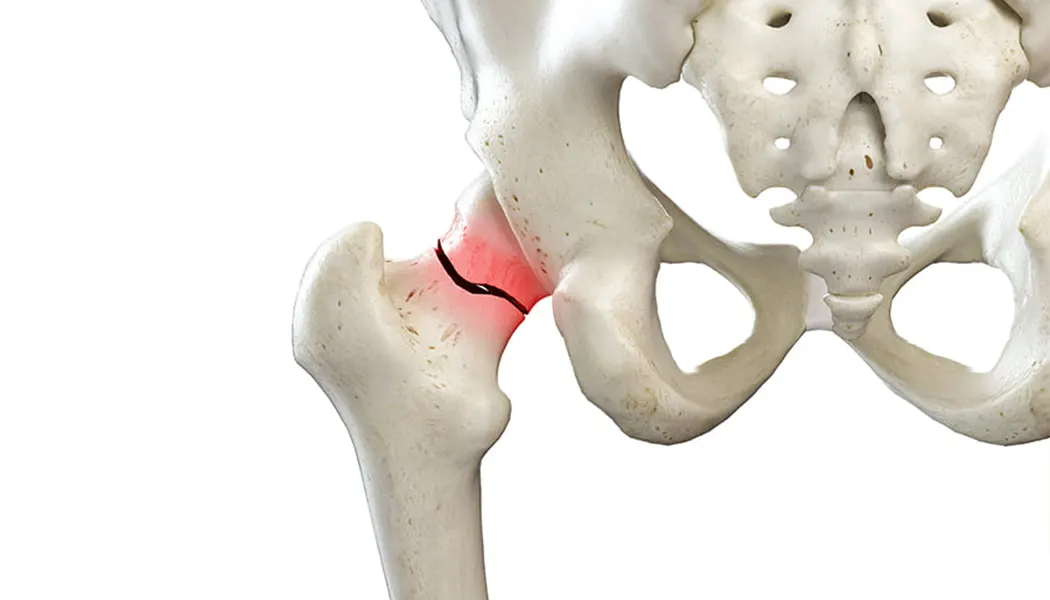
What is Hip Fracture?
A Hip Fracture is a break in the upper part of the thigh bone (femur) near the hip joint. It commonly occurs after a fall or significant injury and is more common in older adults, particularly those with reduced bone strength. A hip fracture can cause severe hip or groin pain, difficulty standing or walking, swelling, and an inability to put weight through the affected leg. Many hip fractures require urgent medical assessment and may need surgical treatment. After appropriate medical care, physiotherapy plays an important role in restoring movement, rebuilding leg strength, improving balance, and helping individuals safely return to walking and everyday activities.
A Hip Fracture occurs when the upper portion of the femur (thigh bone) breaks near the hip joint. The hip is a ball-and-socket joint, where the rounded head of the femur fits into the socket of the pelvis.
Hip fractures can occur in different areas, including:
Femoral Neck Fracture: A break in the narrow section of bone just below the head of the femur.
Intertrochanteric Fracture: A break in the area between the bony prominences below the femoral neck.
Subtrochanteric Fracture: A fracture occurring just below the trochanteric region of the upper femur.
The severity and treatment of a hip fracture depend on the exact location of the break, whether the bone fragments have moved out of position, the person’s overall health, and their previous level of mobility.
Hip fractures are often caused by a fall in older adults. In younger people, they may occur because of high-energy injuries such as road traffic accidents or major sports trauma.
Because a hip fracture can significantly affect mobility and independence, prompt medical assessment and appropriate treatment are essential.
What Are The Symptoms Of Hip Fracture?
Common Symptoms
Severe Hip or Groin Pain: Pain is commonly felt around the hip, groin, or upper thigh.
Difficulty Standing: Putting weight through the affected leg may be very painful or impossible.
Inability to Walk: Many people are unable to walk after a significant hip fracture.
Pain with Movement: Moving the leg or hip may significantly increase pain.
Reduced Hip Movement: The hip may be difficult or impossible to move normally.
Other Possible Symptoms
Shortened Leg: The affected leg may appear shorter than the other leg.
Outward-Turned Leg: The foot and leg may rest in an outwardly rotated position.
Swelling: Swelling may develop around the hip or upper thigh.
Bruising: Discolouration may appear around the injured area.
Tenderness: The hip and upper thigh may be painful when touched.
Muscle Weakness: Pain and reduced movement can make the leg feel weak.
Difficulty with Everyday Activities: Standing, walking, climbing stairs, dressing, and getting in or out of bed may become difficult.
Some stress fractures or less severe fractures may cause more gradual pain and still allow limited weight-bearing. Persistent hip or groin pain after a fall or injury should always be assessed by a healthcare professional.
What Are The Causes Of Hip Fracture?
Falls: Falls are one of the most common causes, particularly in older adults.
Osteoporosis: Reduced bone density can make bones more likely to fracture.
Age-Related Bone Weakness: Bone strength may decrease with age.
High-Energy Trauma: Road traffic accidents or major impacts can cause hip fractures.
Sports Injuries: Severe falls or direct impacts during sport can cause fractures.
Previous Fractures: A history of fractures may indicate an increased risk of future fractures.
Reduced Balance: Poor balance can increase the risk of falls.
Muscle Weakness: Reduced leg strength can contribute to instability and fall risk.
Vision Problems: Difficulty seeing obstacles may increase the likelihood of falls.
Certain Medical Conditions: Some conditions affecting bone health or balance may increase fracture risk.
Long-Term Use of Certain Medications: Some medicines can affect bone health or increase the risk of falls.
Diagnosis Of Hip Fracture
Medical History: A healthcare professional will ask how the injury occurred, where the pain is located, and whether you can stand or walk.
Physical Examination: The hip, leg position, pain, swelling, circulation, and nerve function are assessed.
X-Rays: X-rays are commonly used to identify and locate the fracture.
CT Scan: A CT scan may provide more detailed images of complex fractures.
MRI Scan: MRI may help detect certain fractures that are not clearly visible on initial X-rays.
Bone Health Assessment: In appropriate cases, bone density and other factors affecting bone health may be assessed.
Functional Assessment: Following treatment, movement, strength, walking ability, balance, and independence are evaluated.
A suspected hip fracture requires prompt medical assessment. If someone cannot stand or bear weight after a fall and has significant hip or groin pain, urgent medical care should be sought.
Treatment Of Hip Fracture
Treatment depends on the type, location, and severity of the fracture, as well as the person’s age, health, and mobility.
Emergency Medical Care: A suspected hip fracture should be assessed urgently.
Pain Management: Appropriate medication is used to manage pain.
Surgical Treatment: Many hip fractures require surgery to stabilise or replace part of the hip joint.
Internal Fixation: Screws, plates, rods, or other devices may be used to hold the fractured bone in position.
Hip Replacement Surgery: In selected cases, part or all of the hip joint may be replaced.
Medical Management: Some fractures may be managed without surgery depending on individual circumstances.
Early Mobilisation: Safe movement is often encouraged as soon as medically appropriate.
Walking Aids: A walker, crutches, or other mobility aid may be used during recovery.
Physiotherapy Rehabilitation: Physiotherapy helps restore movement, strength, walking ability, balance, and confidence.
Fall Prevention: Rehabilitation may address balance, strength, home safety, and other factors that increase the risk of future falls.
Bone Health Management: Medical advice may be provided regarding osteoporosis and long-term bone health.
The exact recovery plan and weight-bearing restrictions should always follow the recommendations of the orthopaedic surgeon and treating healthcare team.
What Is The Physiotherapy Treatment Of Hip Fracture
Detailed Assessment: At Pure Physio, we assess pain, hip movement, leg strength, walking ability, balance, mobility, and your ability to perform everyday activities.
Individualised Rehabilitation Programme: Your treatment is tailored according to the type of fracture, treatment received, surgical procedure if applicable, healing stage, weight-bearing restrictions, and personal goals.
Early Mobility Training: When medically appropriate, rehabilitation helps you safely begin moving and changing positions.
Bed Mobility Training: Therapy may help improve your ability to move comfortably in bed.
Sit-to-Stand Training: Controlled practice helps improve safe movement between sitting and standing.
Walking Rehabilitation: A structured programme helps restore safe and confident walking.
Walking Aid Training: We provide guidance on the correct and safe use of walkers, crutches, or other prescribed mobility aids.
Hip Range of Motion Exercises: Carefully selected exercises help maintain or improve comfortable hip movement according to medical restrictions.
Knee and Ankle Mobility Exercises: Exercises help maintain movement in the lower limb during recovery.
Muscle Strengthening: Progressive exercises rebuild strength in the hips, thighs, knees, calves, and core.
Hip Strengthening: Targeted exercises help improve the strength and control of muscles supporting the hip.
Quadriceps Strengthening: Exercises help rebuild strength in the front of the thigh.
Gluteal Strengthening: Progressive exercises improve strength in the buttock muscles, which are important for standing and walking.
Balance Training: Exercises help improve stability and reduce the risk of falls.
Weight-Bearing Progression: Walking and loading are progressed according to fracture healing and the surgeon’s recommendations.
Stair Climbing Practice: Rehabilitation can help you safely return to using stairs when appropriate.
Functional Rehabilitation: Therapy focuses on practical tasks such as getting out of bed, sitting, standing, walking, dressing, and moving around the home.
Endurance Training: Gradual activity progression helps improve physical stamina for everyday movement.
Fall Prevention Education: We help identify modifiable risk factors and provide practical strategies to improve safety and reduce future fall risk.
Post-Operative Rehabilitation: If surgery is performed, your programme follows the surgeon’s recommendations and appropriate healing timelines.
Home Exercise Programme: A personalised programme supports continued recovery between physiotherapy sessions.
Progress Monitoring: Your treatment is regularly reviewed and progressed according to pain, fracture healing, movement, strength, walking ability, balance, and functional improvement.
Why Choose Pure Physio?
Comprehensive Mobility Assessment: We assess hip movement, leg strength, balance, walking ability, and functional independence.
Personalised Rehabilitation Plans: Your programme is tailored according to your fracture, treatment, surgery, healing stage, medical restrictions, and recovery goals.
Safe Early Mobilisation: We support a gradual return to movement according to your medical and surgical guidelines.
Restore Walking Ability: Structured rehabilitation helps improve safe, efficient, and confident walking.
Strength and Balance Recovery: Progressive exercises rebuild leg strength and improve stability.
Walking Aid Guidance: We provide practical training for the safe use of prescribed mobility aids.
Functional Recovery Focus: Therapy targets meaningful activities such as standing, walking, stair climbing, dressing, and moving around your home.
Fall Prevention Support: Rehabilitation addresses balance, strength, movement confidence, and practical strategies to reduce future fall risk.
Safe Weight-Bearing Progression: Your activity is progressed carefully according to medical recommendations and fracture healing.
Post-Surgical Rehabilitation: We provide structured physiotherapy following fixation or hip replacement surgery when required.
Home Exercise Guidance: You receive a personalised programme to support continued progress outside your appointments.
Regular Progress Monitoring: Your rehabilitation is reviewed and adapted according to healing, movement, strength, balance, walking ability, and functional improvement.
Integrated Care Approach: We work alongside orthopaedic surgeons, doctors, and other healthcare professionals when required.
Focused on Long-Term Independence: Our goal is to help restore comfortable movement, rebuild strength and balance, improve walking confidence, and support a safe return to everyday activities and independence.
Start Your Recovery Journey Today
Don’t let pain, stiffness, or reduced mobility affect your daily life. Get personalised physiotherapy care designed around your condition and recovery goals.