Herniated Disk Or Slipped Disc
Get a personalised assessment at Pure Physio and take the next step towards better movement and recovery.
Contents
Take the First Step Towards Better Movement
Our experienced physiotherapists are here to help you improve mobility, regain strength, and move with greater comfort and confidence.
What is Herniated Disk Or Slipped Disc?
The spine is made up of bones called vertebrae, with soft discs located between them. These spinal discs act as cushions and help absorb forces during movements such as bending, lifting, twisting, walking, and other daily activities.
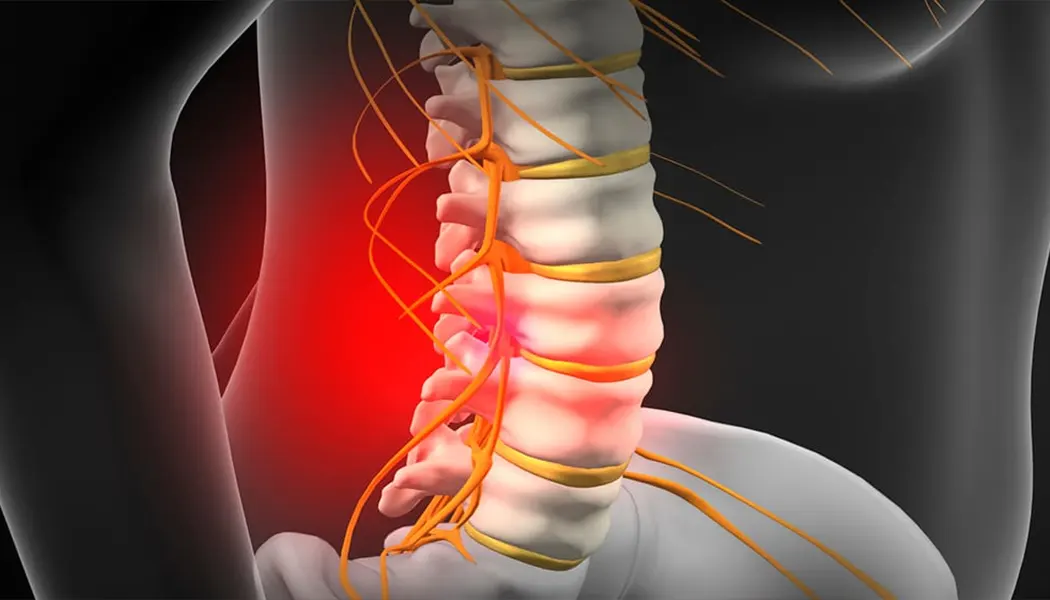
Each disc has a softer, gel-like inner material called the nucleus pulposus and a tougher outer layer called the annulus fibrosus. A herniated disc can occur when the inner material pushes outward through a weakened or damaged area of the outer layer.
The term “slipped disc” is commonly used, although the disc does not usually move or slip out of place. The more accurate terms include disc herniation, disc protrusion, or disc extrusion, depending on the nature of the disc change.
Some herniated discs cause no symptoms. However, if the disc material irritates or places pressure on a nearby nerve, symptoms can develop. In the lower back, this may cause pain that travels into the buttock and leg, commonly known as sciatica. In the neck, symptoms may travel into the shoulder, arm, or hand.
The severity of symptoms varies between individuals. A proper clinical assessment is important because treatment depends on the location of the disc problem, symptoms, neurological findings, and overall physical condition.
What Are The Symptoms Of Herniated Disk Or Slipped Disc?
Back or Neck Pain: Pain may occur around the affected area of the spine. Depending on the location of the disc, symptoms may affect the lower back or neck.
Radiating Pain: If a nearby nerve is irritated, pain may travel away from the spine. Lumbar disc problems can cause pain into the buttock, thigh, leg, or foot, while cervical disc problems can cause pain into the shoulder, arm, or hand.
Tingling or Pins and Needles: Nerve irritation may cause tingling or abnormal sensations in an arm, hand, leg, or foot.
Numbness: Some individuals may experience reduced sensation in specific areas supplied by an affected nerve.
Muscle Weakness: More significant nerve involvement may affect muscle strength and make movements such as lifting the foot, walking, gripping, or other activities more difficult.
Pain During Certain Movements: Bending, lifting, twisting, coughing, sneezing, or sitting for prolonged periods may aggravate symptoms in some individuals.
Muscle Spasm or Tightness: Muscles around the affected area may become tense or go into protective spasm, contributing to stiffness and reduced movement.
Reduced Spinal Mobility: Pain and muscle guarding may make it difficult to bend, straighten, turn, or move comfortably.
Difficulty Walking or Sitting: Persistent pain, leg symptoms, weakness, or numbness may affect normal walking, sitting, standing, and other daily activities.
What Are The Causes Of Herniated Disk Or Slipped Disc?
Age-Related Disc Changes: As people age, spinal discs can gradually lose water content and flexibility, making them more susceptible to damage.
Repetitive Bending and Twisting: Repeated movements involving bending, twisting, or spinal loading may place stress on the discs.
Heavy Lifting: Lifting heavy objects, particularly with poor technique or while twisting, can increase stress on the spine and discs.
Sudden Injury: A fall, accident, or sudden forceful movement can contribute to a disc injury in some cases.
Repetitive Physical Loading: Physically demanding work or activities involving repeated lifting and loading may contribute to disc-related problems.
Prolonged Sitting: Long periods of sitting may aggravate symptoms in some individuals, particularly when combined with reduced movement and poor physical conditioning.
Previous Disc Problems: A history of disc injury or degeneration may increase the likelihood of recurrent symptoms.
Genetic Factors: Some people may have inherited factors that influence disc health and susceptibility to degeneration.
Lifestyle Factors: Smoking, reduced physical activity, poor physical conditioning, and increased body weight may contribute to spinal loading and disc degeneration.
Diagnosis Of Herniated Disk Or Slipped Disc
Medical History: A healthcare professional will ask about your symptoms, where the pain travels, when it started, possible triggers, previous episodes, and activities that aggravate or relieve symptoms.
Physical Examination: The spine, posture, movement, muscle strength, reflexes, and sensation may be assessed.
Neurological Assessment: If nerve involvement is suspected, the healthcare professional may assess muscle strength, reflexes, sensation, and other neurological signs.
Nerve Tension Tests: Specific physical tests may be used to assess whether certain movements reproduce symptoms related to nerve irritation.
MRI Scan: An MRI can provide detailed images of spinal discs, nerves, and other soft tissues and may be considered when clinically appropriate.
CT Scan: A CT scan may provide additional information in selected cases, particularly when MRI is not suitable or other structures need to be assessed.
X-Ray: X-rays do not directly show a disc herniation but may be used to assess certain bony changes or rule out other possible causes of spinal symptoms.
Clinical Correlation: Disc changes can sometimes be seen on scans in people without symptoms. For this reason, imaging results should always be considered alongside your symptoms and physical examination.
Treatment Of Herniated Disk Or Slipped Disc
Activity Modification: Temporarily modifying movements or activities that significantly aggravate symptoms may help manage pain while maintaining appropriate levels of activity.
Physiotherapy: A personalised physiotherapy programme may help suitable patients manage symptoms, restore movement, improve strength, and return gradually to everyday activities.
Pain Management: Depending on the condition, a qualified healthcare professional may recommend appropriate medication to help manage pain and inflammation.
Exercise Rehabilitation: Carefully selected exercises may help improve spinal movement, muscle strength, trunk control, and overall physical function.
Manual Therapy: Appropriate hands-on techniques may be considered as part of a broader physiotherapy programme for suitable individuals.
Education and Movement Guidance: Guidance regarding posture, sitting, lifting, activity modification, and gradual return to movement may help patients manage their condition.
Interventional Pain Management: In selected cases where symptoms remain significant, a qualified pain specialist may assess whether procedures such as an appropriate spinal injection could be considered.
Surgical Treatment: Most people with disc-related symptoms do not require surgery. However, surgery may be considered in selected cases involving persistent severe symptoms, significant nerve compression, progressive neurological weakness, or specific emergency conditions after specialist assessment.
What Is The Physiotherapy Treatment Of Herniated Disk Or Slipped Disc
Detailed Physiotherapy Assessment: At Pure Physio, treatment begins with understanding your symptoms, pain pattern, movement limitations, leg or arm symptoms, neurological signs, daily activities, and individual recovery goals.
Pain and Symptom Management: Appropriate physiotherapy techniques may be used to help manage symptoms and improve comfort during movement.
Individualised Movement Exercises: Carefully selected exercises may help restore comfortable spinal movement. The exercise approach is adapted according to how your symptoms respond.
Nerve Mobility Exercises: Where clinically appropriate, specific exercises may be used to support comfortable movement of affected nerve structures.
Core and Trunk Strengthening: Progressive strengthening exercises may help improve the capacity and control of muscles supporting the spine.
Hip and Leg Strengthening: The strength and movement of the hips and legs can influence overall spinal function. A personalised programme may address relevant weakness and movement limitations.
Posture and Movement Education: You may receive guidance regarding sitting, standing, bending, lifting, sleeping positions, and other everyday activities based on your individual symptoms and needs.
Manual Therapy: Where appropriate, hands-on techniques may be used to address joint stiffness, soft tissue tension, and movement restrictions.
Gradual Functional Rehabilitation: Treatment progresses towards important daily activities such as sitting, standing, walking, bending, lifting, working, and returning to appropriate exercise.
Progressive Home Exercise Programme: You may receive a personalised programme to continue appropriate mobility, strengthening, and self-management exercises between physiotherapy sessions.
Why Choose Pure Physio?
Personalised Assessment: We assess your symptoms, spinal movement, physical function, and relevant neurological signs to understand your individual rehabilitation needs.
Individualised Treatment Plans: Every disc problem is different. Your physiotherapy programme is tailored according to your symptoms, physical abilities, condition, and recovery goals.
Focus on Movement and Function: Our approach aims to help suitable patients improve mobility, strength, confidence, and the ability to perform everyday activities.
Comprehensive Rehabilitation: Depending on your needs, treatment may include appropriate exercise therapy, mobility training, strengthening, manual techniques, posture guidance, and functional rehabilitation.
Progressive Exercise-Based Care: Exercises are selected and progressed according to your symptoms and physical capacity to support a gradual and structured recovery.
Integrated Pain Management Support: Where symptoms require additional medical evaluation, appropriate specialist or interventional pain management options can be considered as part of an overall care approach.
Long-Term Self-Management: We provide guidance on movement, exercise, physical activity, and other relevant strategies to help you manage your spinal health and reduce the impact of recurring symptoms.
Start Your Recovery Journey Today
Don’t let pain, stiffness, or reduced mobility affect your daily life. Get personalised physiotherapy care designed around your condition and recovery goals.