Hemiplegia
Regain movement, improve independence, and build confidence with personalised neurological rehabilitation focused on your everyday goals.
Contents
Take the First Step Towards Better Movement
Our experienced physiotherapists are here to help you improve mobility, regain strength, and move with greater comfort and confidence.
What is Hemiplegia?
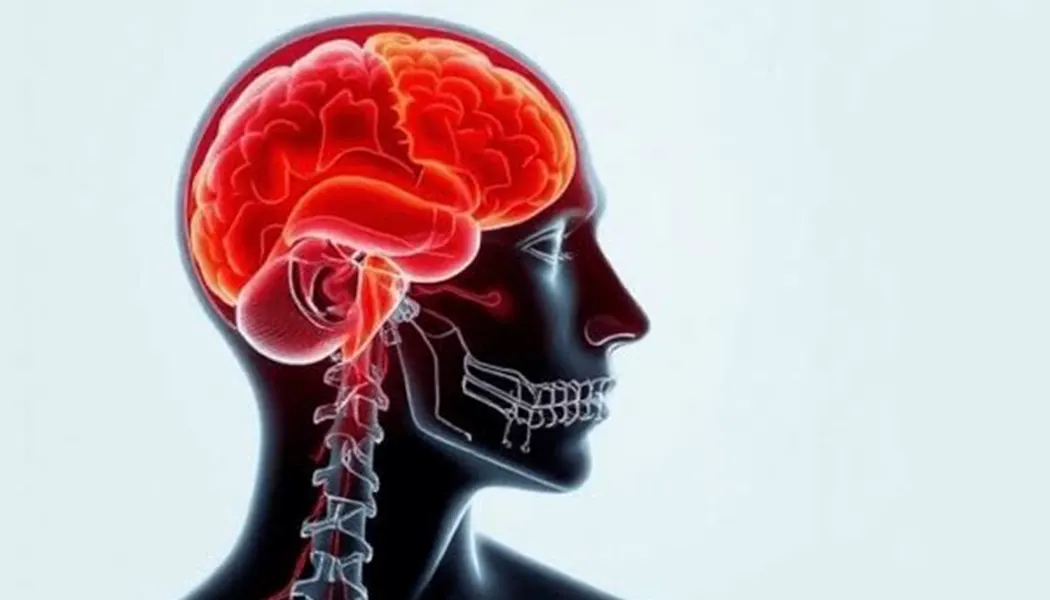
Hemiplegia is a condition that causes paralysis or severe weakness on one side of the body. It commonly affects the arm, leg, and sometimes the face on either the left or right side. Hemiplegia usually occurs due to damage affecting the brain or nervous system, with stroke being one of the most common causes. Other causes can include traumatic brain injury, cerebral palsy, brain tumours, infections, and other neurological conditions. The symptoms and level of disability can vary significantly from person to person. At Pure Physio, personalised neurological rehabilitation focuses on improving available movement, strength, balance, walking, coordination, and independence in everyday activities.
Hemiplegia means paralysis affecting one side of the body.
The word can be understood as:
Hemi: One half or one side.
Plegia: Paralysis.
Depending on the area of the brain affected, hemiplegia can involve the:
Right Side of the Body
or
Left Side of the Body
In many cases, damage to one side of the brain affects the opposite side of the body.
For example:
Damage to the Left Side of the Brain
↓
may affect
The Right Side of the Body
The severity can range from severe paralysis with little or no voluntary movement to partial weakness and reduced control.
Hemiplegia may affect:
Arm Movement
Hand Function
Leg Movement
Walking
Balance
Facial Muscles
Coordination
Posture
Some individuals may also experience difficulties involving:
Speech
Communication
Vision
Sensation
Memory
Attention
The symptoms depend on the location and extent of the underlying neurological injury.
Hemiplegia is different from hemiparesis, which generally refers to weakness on one side of the body rather than complete paralysis.
What Are The Symptoms Of Hemiplegia?
Weakness or Paralysis on One Side: The arm, leg, or both may have reduced movement or complete loss of voluntary movement.
Difficulty Moving the Arm: Reaching, lifting, and controlling the arm may be difficult.
Reduced Hand Function: Gripping, releasing, writing, dressing, and handling objects may be affected.
Leg Weakness: The affected leg may feel weak or difficult to control.
Difficulty Walking: Weakness and altered muscle control can affect the walking pattern.
Balance Problems: Standing and moving safely may become more difficult.
Reduced Coordination: Movements may be slower, less accurate, or poorly controlled.
Muscle Stiffness or Spasticity: Some muscles may become abnormally tight or resistant to movement.
Muscle Floppiness: Early after certain neurological injuries, muscles may initially feel weak and floppy.
Changes in Muscle Tone: Muscle tone may vary depending on the stage and cause of the condition.
Altered Sensation: Numbness, reduced sensation, or altered awareness of one side of the body may occur.
Shoulder Pain: Weakness and altered positioning may contribute to shoulder discomfort.
Difficulty with Daily Activities: Dressing, bathing, eating, cooking, and other activities may become challenging.
Foot Drop: Difficulty lifting the front of the foot may affect walking.
Facial Weakness: One side of the face may appear weak or drooped.
Speech or Communication Problems: These may occur when areas of the brain involved in language or speech are affected.
Cognitive Changes: Some people may experience difficulties with memory, attention, awareness, or problem-solving.
What Are The Causes Of Hemiplegia?
Hemiplegia occurs due to damage affecting areas of the nervous system responsible for controlling movement.
Stroke: A blockage or bleeding in the brain can damage areas responsible for movement.
Traumatic Brain Injury: A significant head injury can damage the brain and affect movement on one side.
Cerebral Palsy: Brain injury or abnormal brain development occurring early in life can cause lifelong movement difficulties.
Brain Tumours: A tumour affecting areas involved in movement can cause weakness or paralysis.
Brain Infection: Certain infections or inflammation affecting the brain may damage neurological function.
Encephalitis: Inflammation of the brain can affect movement control.
Meningitis: Severe infection affecting the tissues around the brain and spinal cord may lead to neurological complications.
Brain Surgery: Depending on the area involved, surgery may affect movement temporarily or permanently.
Multiple Sclerosis: Damage to the central nervous system may cause weakness and movement difficulties.
Other Neurological Conditions: Various disorders affecting the brain or nervous system can cause one-sided weakness or paralysis.
Congenital Brain Injury: Injury occurring before, during, or shortly after birth can result in hemiplegia.
The underlying cause determines the required medical treatment and rehabilitation approach.
Diagnosis Of Hemiplegia
Medical History: A healthcare professional will ask when the weakness began, how symptoms developed, previous medical events, injuries, and associated symptoms.
Neurological Examination: Muscle strength, tone, reflexes, sensation, coordination, and movement patterns are assessed.
Functional Assessment: Walking, balance, arm use, hand function, transfers, and everyday activities may be evaluated.
Brain Imaging: CT scans or MRI may be used to identify stroke, bleeding, tumours, injury, or other brain conditions.
Blood Tests: Tests may be required to investigate underlying causes or associated medical conditions.
Cardiac Assessment: When stroke is suspected, heart-related investigations may be performed to identify possible causes.
Vascular Assessment: Blood vessels may be assessed when circulation problems are suspected.
Speech and Cognitive Assessment: Communication, swallowing, memory, attention, and other functions may be assessed where required.
Physiotherapy Assessment: A physiotherapist may evaluate movement, strength, joint range, posture, balance, walking, transfers, and rehabilitation needs.
Sudden weakness or paralysis on one side of the body is a medical emergency and requires immediate emergency assessment, particularly when associated with facial drooping, speech difficulty, severe headache, confusion, or sudden loss of balance.
Treatment Of Hemiplegia
Treatment depends on the underlying cause, severity of neurological damage, stage of recovery, and individual needs.
Emergency Medical Treatment: Sudden-onset hemiplegia, especially due to suspected stroke, requires immediate emergency medical care.
Treatment of the Underlying Cause: Stroke, brain injury, infection, tumours, or other conditions require appropriate medical management.
Physiotherapy: Neurological rehabilitation can help improve movement, strength, balance, walking, and physical function.
Occupational Therapy: Therapy can support independence with dressing, bathing, eating, writing, work, and other daily activities.
Speech and Language Therapy: Speech, communication, and swallowing difficulties may require specialist treatment.
Medication: Doctors may prescribe medication for spasticity, pain, seizures, or other associated symptoms.
Spasticity Management: Stretching, positioning, therapy, medication, or specialist treatments may be used where appropriate.
Mobility Aids: Walking aids, wheelchairs, or other equipment may support safe mobility.
Orthotic Support: Braces such as an ankle-foot orthosis may support limb positioning and walking.
Rehabilitation Exercises: Carefully selected exercises may improve available strength, movement, endurance, and coordination.
Functional Training: Repeated practice of meaningful activities can support independence and recovery.
Home Modifications: Adaptations and assistive equipment may improve safety and independence.
Long-Term Rehabilitation: Some individuals benefit from ongoing rehabilitation and regular review as needs and abilities change.
What Is The Physiotherapy Treatment Of Hemiplegia
Detailed Neurological Assessment: At Pure Physio, treatment begins by assessing muscle strength, tone, voluntary movement, joint mobility, sensation, balance, coordination, walking, and functional independence.
Positioning and Postural Management: Appropriate positioning strategies may help support comfort, alignment, and prevention of prolonged abnormal postures.
Range of Motion Exercises: Gentle active, active-assisted, or passive movements may help maintain joint mobility.
Spasticity Management Strategies: Suitable positioning, stretching, movement, and other rehabilitation techniques may be used to manage the effects of increased muscle tone.
Muscle Activation Training: Exercises may help encourage voluntary movement and activation of available muscles.
Neuromuscular Re-Education: Rehabilitation focuses on improving movement patterns, muscle control, and coordination.
Strengthening Exercises: Progressive strengthening is adapted according to available movement and physical capacity.
Task-Specific Training: Meaningful activities are practised repeatedly to improve functional ability.
Upper-Limb Rehabilitation: Therapy may focus on reaching, grasping, releasing, and using the affected arm during everyday activities.
Hand Function Training: Exercises and functional practice may help improve grip, coordination, and use of the hand.
Balance Training: Rehabilitation may address sitting and standing balance.
Transfer Training: Therapy may include practising safe movement between the bed, chair, toilet, and other surfaces.
Gait Training: Walking rehabilitation focuses on improving safety, step control, balance, and endurance.
Foot Drop Rehabilitation: Appropriate exercises and orthotic guidance may be included when foot lifting is affected.
Weight-Bearing Activities: Controlled weight-bearing through the affected limbs may help support movement awareness and functional control.
Coordination Training: Exercises may help improve the timing and accuracy of movements.
Functional Independence Training: Rehabilitation focuses on practical activities relevant to daily life.
Home Exercise Programme: A personalised programme may support continued rehabilitation between physiotherapy sessions.
Progress Monitoring: Movement, strength, balance, walking ability, and functional goals are reviewed regularly to adapt the rehabilitation programme.
Why Choose Pure Physio?
Detailed Neurological Assessment: We assess the specific pattern of weakness, paralysis, muscle tone, sensation, balance, coordination, and functional limitations.
Personalised Rehabilitation Plans: Your programme is adapted according to the cause of hemiplegia, stage of recovery, physical abilities, and personal goals.
Focus on Functional Recovery: Rehabilitation is centred around the movements and activities that matter most in everyday life.
Individualised Neuromuscular Rehabilitation: Treatment focuses on improving available movement, strength, coordination, and control.
Balance and Walking Rehabilitation: We work to improve stability, mobility, confidence, and safe participation in everyday activities.
Upper-Limb and Hand Function Training: Rehabilitation addresses practical skills such as reaching, gripping, releasing, and using the affected arm.
Spasticity and Mobility Management: Appropriate strategies are used to maintain movement and manage the functional effects of increased muscle tone.
Safe Progression: Exercises and activities are progressed according to your recovery, tolerance, medical status, and functional abilities.
Support for Long-Term Recovery: Rehabilitation plans can be adapted as needs, goals, and physical abilities change over time.
Integrated Care Approach: We can work alongside recommendations from neurologists, physicians, occupational therapists, speech therapists, and other healthcare professionals as part of a coordinated rehabilitation plan.
Focused on Independence and Confidence: Our goal is to help you maximise your physical function, participate more confidently in everyday activities, and achieve the highest possible level of independence.
Start Your Recovery Journey Today
Don’t let pain, stiffness, or reduced mobility affect your daily life. Get personalised physiotherapy care designed around your condition and recovery goals.