
Hemangioma
Get it properly assessed to understand the cause and receive the right treatment and care.
Contents
Take the First Step Towards Better Movement
Our experienced physiotherapists are here to help you improve mobility, regain strength, and move with greater comfort and confidence.
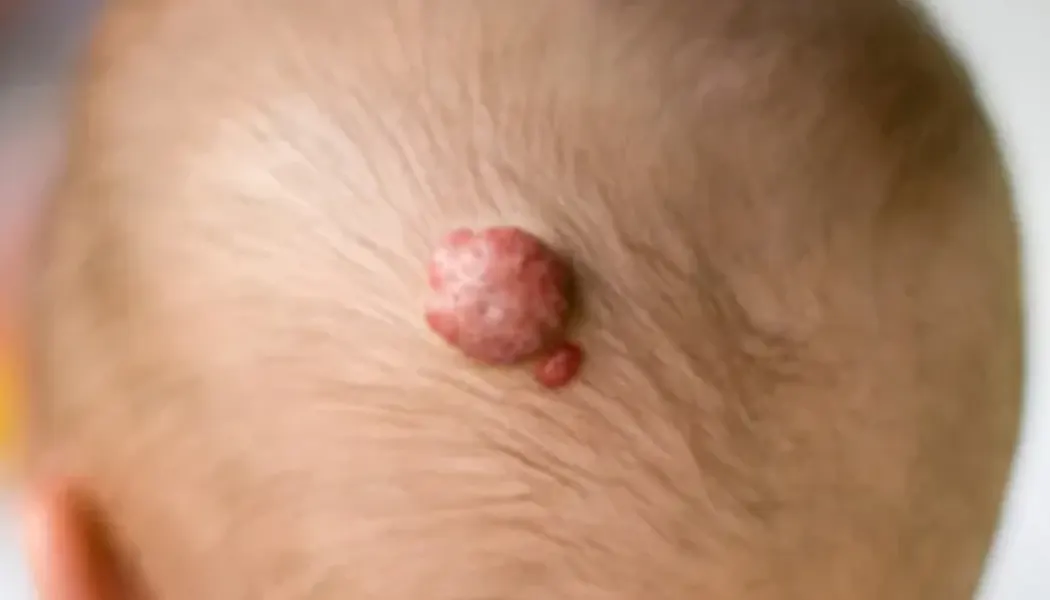
What is Hemangioma?
A Hemangioma is a growth involving an increased collection of blood vessels. It is commonly described as a benign vascular tumour or vascular growth, although the exact type and behaviour can vary.
Hemangiomas can occur in different parts of the body.
Infantile Hemangioma
This is the most common type seen in babies. It may not be fully visible at birth and can grow during the first weeks or months of life. After a growth phase, many infantile hemangiomas gradually begin to shrink, a process known as involution.
Congenital Hemangioma
A congenital hemangioma is fully developed at birth. Different types can behave differently, with some shrinking over time while others may persist.
Superficial Hemangioma
A superficial hemangioma is closer to the surface of the skin and may appear bright red.
Deep Hemangioma
A deeper hemangioma may be located beneath the skin and can appear bluish or cause swelling.
Mixed Hemangioma
Some hemangiomas have both superficial and deeper components.
Hemangiomas can also occur within other parts of the body. The significance of a hemangioma depends on its type, size, location, growth pattern, and whether it affects surrounding structures or body functions.
It is important to distinguish a hemangioma from other vascular birthmarks, vascular malformations, cysts, tumours, or skin conditions. A proper medical assessment helps establish the correct diagnosis.
What Are The Symptoms Of Hemangioma?
Symptoms can vary depending on the type and location of the hemangioma.
Red Skin Mark: A superficial hemangioma may appear as a bright red patch or raised area.
Pink or Purple Discolouration: The affected area may appear pink, red, or purple.
Bluish Lump or Swelling: Deeper hemangiomas may create a blue or bluish-purple appearance beneath the skin.
Raised Growth: The area may become raised or develop into a visible lump.
Increase in Size: Some hemangiomas grow during an early growth phase.
Soft or Compressible Swelling: The growth may feel soft when gently touched.
Skin Changes: The surface of the skin may change in colour or texture.
Ulceration: In some cases, the skin over a hemangioma can break down and form an ulcer.
Bleeding: Ulcerated or injured hemangiomas may bleed.
Pain or Irritation: Pain may occur, particularly when ulceration or complications are present.
Functional Problems: A hemangioma located near the eye, nose, mouth, airway, ear, or other important structures may interfere with normal function.
Movement Difficulties: Large or deeply located hemangiomas may occasionally affect movement, depending on their location.
Breathing or Feeding Difficulties: Hemangiomas involving certain areas of the face or airway may cause serious functional problems and require urgent medical attention.
Not every hemangioma causes symptoms beyond its visible appearance.
What Are The Causes Of Hemangioma?
The exact cause of many hemangiomas is not fully understood.
Hemangiomas involve abnormal growth and development of blood vessels. Several factors are believed to play a role in their development.
Abnormal Blood Vessel Growth: Hemangiomas develop due to the abnormal proliferation or growth of blood vessels.
Developmental Factors: Infantile hemangiomas develop during early life, although the precise mechanism is not completely understood.
Genetic and Biological Factors: Biological factors may influence blood vessel development in some cases.
Premature Birth: Infantile hemangiomas are more commonly seen in babies born prematurely.
Low Birth Weight: Babies with lower birth weight may have a higher likelihood of developing infantile hemangiomas.
Female Sex: Infantile hemangiomas are more common in girls than boys.
Multiple Pregnancy: Some studies have identified associations with multiple pregnancies.
It is important to understand that hemangiomas are generally not caused by an injury, infection, or something a parent did during pregnancy.
Diagnosis Of Hemangioma
Medical History: A healthcare professional may ask when the growth was first noticed, whether it was present at birth, how quickly it has grown, and whether there are symptoms such as pain, bleeding, ulceration, or functional difficulties.
Physical Examination: The appearance, colour, size, texture, location, and depth of the lesion are assessed.
Growth Monitoring: Serial measurements or photographs may be used to monitor changes in size and appearance over time.
Ultrasound: Ultrasound may be used to assess deeper lesions and blood flow.
Doppler Ultrasound: Doppler imaging can provide information about blood flow within the lesion.
MRI: MRI may be recommended when a hemangioma is deep, extensive, or located near important structures.
Other Imaging: Additional imaging may be required depending on the location and suspected type of lesion.
Specialist Assessment: Dermatology, paediatric, vascular, surgical, ophthalmology, ENT, or other specialist assessment may be required depending on the location and complications.
Biopsy: A biopsy is not routinely needed for typical hemangiomas but may be considered when the diagnosis is uncertain.
Accurate diagnosis is important because vascular malformations and other growths may look similar to hemangiomas but require different management.
Treatment Of Hemangioma
Treatment depends on the type, location, size, growth pattern, symptoms, and risk of complications.
Observation and Monitoring: Many uncomplicated hemangiomas may only require regular monitoring because they can gradually shrink over time.
Medical Treatment: A specialist may recommend medication when a hemangioma is problematic, growing rapidly, or affecting important functions.
Beta-Blocker Therapy: Certain medications, such as propranolol, may be used under specialist medical supervision for selected infantile hemangiomas.
Topical Treatment: In selected small or superficial hemangiomas, a specialist may recommend topical medication.
Wound Care: If ulceration occurs, appropriate medical wound care may be required.
Laser Treatment: Laser therapy may be considered in selected cases, depending on the type and location of the lesion.
Surgical Treatment: Surgery may be considered when a hemangioma causes significant functional problems, complications, or persistent changes that require correction.
Treatment of Complications: Bleeding, ulceration, infection, vision problems, airway involvement, or other complications require appropriate medical treatment.
Multidisciplinary Care: Complex hemangiomas may require coordinated treatment from specialists in different medical fields.
What Is The Physiotherapy Treatment Of Hemangioma
Important: Physiotherapy does not remove or directly treat the vascular growth itself. Medical assessment and management are essential for diagnosing and treating a hemangioma.
Physiotherapy may be helpful in selected cases when the hemangioma, associated complications, surgery, or medical treatment affects movement or physical function.
Detailed Functional Assessment: At Pure Physio, we assess how the condition affects posture, joint movement, muscle strength, mobility, balance, and daily activities.
Mobility Exercises: Carefully selected exercises may help maintain or improve comfortable movement when nearby tissues or joints are affected.
Stretching and Range of Motion Exercises: Appropriate exercises may help prevent stiffness when movement has been restricted.
Strengthening Exercises: Progressive strengthening may help restore muscle function where weakness or reduced activity has developed.
Postural Rehabilitation: Therapy may address changes in posture or movement patterns when relevant to the location and functional effects of the condition.
Balance and Coordination Training: Where mobility or lower-limb function is affected, appropriate exercises may support stability and movement control.
Post-Surgical Rehabilitation: If surgery has affected movement or function, physiotherapy may support recovery according to the surgeon’s medical guidance.
Scar Management: Where clinically appropriate and medically cleared, rehabilitation may address relevant scar-related movement restrictions following surgery.
Functional Activity Training: Therapy may focus on returning to meaningful activities such as walking, reaching, playing, working, exercising, or other daily tasks.
Home Exercise Programme: A personalised programme may be provided to support safe and appropriate mobility, strengthening, and functional recovery.
Medical Coordination: Physiotherapy is adapted according to the medical diagnosis, location of the hemangioma, treatment received, and recommendations from the treating specialist.
Why Choose Pure Physio?
Safety-Focused Care: We recognise that a hemangioma requires appropriate medical diagnosis and that not every vascular growth should be treated as a routine musculoskeletal condition.
Detailed Functional Assessment: Where rehabilitation is appropriate, we assess how the condition or its treatment affects movement, strength, mobility, posture, and everyday function.
Personalised Rehabilitation: Treatment is tailored according to the individual’s age, medical condition, location of the hemangioma, treatment history, and functional needs.
Gentle and Appropriate Exercise Planning: Exercises are selected and progressed according to medical guidance and individual physical capacity.
Support Following Medical Treatment: Physiotherapy may assist suitable patients recovering from surgery or other treatment when movement and function have been affected.
Focus on Functional Recovery: Our goal is to help patients work towards improved mobility, strength, confidence, and independence in everyday activities.
Integrated Care Approach: When rehabilitation is needed, physiotherapy can form part of a coordinated care plan alongside dermatologists, paediatricians, surgeons, vascular specialists, and other treating healthcare professionals.
Individualised Long-Term Support: Rehabilitation goals and exercise programmes can be adjusted as the individual’s medical condition, physical function, and recovery needs change over time.
Start Your Recovery Journey Today
Don’t let pain, stiffness, or reduced mobility affect your daily life. Get personalised physiotherapy care designed around your condition and recovery goals.