
Hamstring Strain
Recover from hamstring pain, rebuild strength, and return to movement with personalised physiotherapy.
Contents
Take the First Step Towards Better Movement
Our experienced physiotherapists are here to help you improve mobility, regain strength, and move with greater comfort and confidence.
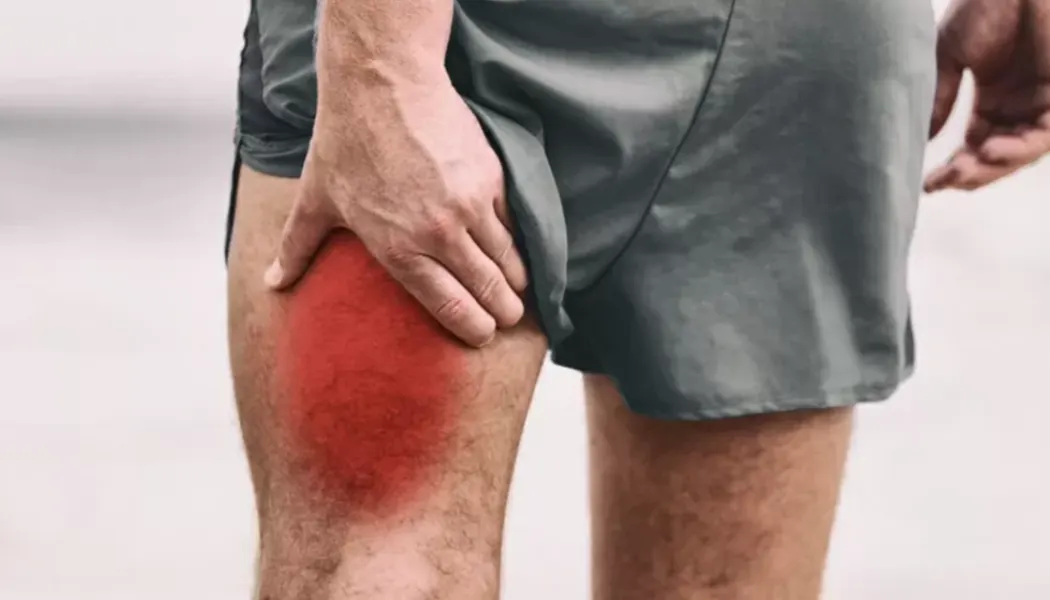
What is Hamstring Strain?
A Hamstring Strain is an injury to one or more of the three muscles located at the back of the thigh: the biceps femoris, semitendinosus, and semimembranosus. These muscles play an important role in bending the knee, extending the hip, walking, running, jumping, and controlling movement during high-speed activities.
A strain occurs when the muscle fibres or the muscle-tendon connection are stretched beyond their capacity. The injury may range from a small number of overstretched fibres to a partial tear or, in severe cases, a complete rupture. Hamstring strains commonly occur during high-speed running or when the hamstring is suddenly lengthened while under load. The severity of symptoms and recovery time depend on the extent and location of the injury.
What Are The Symptoms Of Hamstring Strain?
Common Symptoms
Sudden Sharp Pain: Pain may occur suddenly at the back of the thigh during activity.
Tightness: The back of the thigh may feel tight or restricted.
Tenderness: The injured area may be painful when touched.
Pain During Movement: Walking, bending the knee, stretching the leg, or running may cause pain.
Pain with Sitting: Sitting may be uncomfortable, particularly with injuries higher in the hamstring.
More Significant Symptoms
Swelling: The injured area may become swollen.
Bruising: Bruising may appear after the injury and can extend down the leg.
Muscle Weakness: The hamstring may feel weaker when bending the knee or extending the hip.
Difficulty Walking: Pain or weakness may cause limping.
Reduced Flexibility: Straightening the leg or bending forward may feel restricted.
Pain During Running: Sprinting or accelerating may significantly aggravate symptoms.
Pain During Stairs: Climbing stairs may become uncomfortable.
Muscle Spasm: The hamstring may tighten or spasm after the injury.
Severe Symptoms
A Popping Sensation: Some people feel or hear a pop when a significant injury occurs.
Severe Pain: Pain may make it difficult to continue activity.
Significant Weakness: The leg may feel unable to generate normal force.
Visible Deformity: A severe tear may occasionally cause a noticeable change in muscle shape.
Extensive Bruising: Significant bleeding into the tissues may cause widespread bruising.
A sudden severe injury, inability to walk, significant bruising, or a suspected complete tear should be assessed by a qualified healthcare professional.
What Are The Causes Of Hamstring Strain?
Hamstring strains usually occur when the muscle is exposed to more force or stretch than it can tolerate.
Sprinting: High-speed running is a common cause.
Sudden Acceleration: Rapidly increasing speed can place significant load on the hamstrings.
Sudden Deceleration: Quickly slowing down can overstretch the muscle.
Kicking: Forceful kicking can place the hamstring under rapid stretch and load.
Jumping: Explosive movements can increase strain on the muscles.
Overstretching: A sudden excessive stretch can damage muscle fibres.
Rapid Changes of Direction: Cutting and turning movements can increase hamstring loading.
Previous Hamstring Injury: A previous strain may increase the risk of another injury.
Muscle Fatigue: Fatigued muscles may have reduced ability to manage high loads.
Inadequate Strength: Reduced hamstring strength may affect the ability to tolerate demanding movements.
Strength Imbalance: Differences between muscle groups may contribute to increased injury risk.
Poor Warm-Up: Beginning intense activity without adequate preparation may increase injury risk.
Reduced Flexibility: Limited movement may contribute to injury risk in some individuals.
Training Errors: Sudden increases in training intensity, speed, volume, or frequency can increase injury risk.
Poor Movement Control: Inefficient movement patterns may increase stress during high-demand activities.
Diagnosis Of Hamstring Strain
Medical History: A healthcare professional will ask how the injury occurred, when symptoms began, and what movements cause pain.
Physical Examination: The thigh is assessed for pain, tenderness, swelling, bruising, and changes in movement.
Range of Motion Assessment: Hip and knee movement are evaluated.
Strength Testing: Hamstring strength and pain during resisted movement may be assessed.
Walking Assessment: Your walking pattern and ability to bear weight may be evaluated.
Functional Testing: Activities such as squatting, stepping, jogging, or sport-specific movements may be assessed when appropriate.
Ultrasound: Ultrasound may be used to assess certain muscle or tendon injuries.
MRI: MRI can provide detailed information about the location and severity of a muscle or tendon tear.
Imaging is not always required for a straightforward hamstring strain but may be considered when a severe injury or tendon involvement is suspected.
Treatment Of Hamstring Strain
Treatment depends on the severity of the injury.
Relative Rest: Activities that significantly increase pain are temporarily reduced.
Activity Modification: Walking, exercise, and sport are adjusted according to symptoms.
Compression: Compression may help manage swelling in the early stage when appropriate.
Elevation: Elevating the leg may help reduce swelling in some cases.
Pain Management: A healthcare professional may recommend suitable pain-relief strategies.
Physiotherapy: Rehabilitation is important for restoring movement, strength, and function.
Gradual Mobility: Gentle movement is introduced as tolerated.
Progressive Strengthening: Hamstring strength is gradually rebuilt as healing progresses.
Exercise Rehabilitation: Exercises are progressed from simple movements to higher-load and sport-specific activities.
Return-to-Activity Planning: Running, sprinting, and other demanding movements are gradually reintroduced.
Surgical Assessment: Surgery is uncommon but may be considered for certain complete tears or significant tendon avulsions.
Recovery varies depending on the severity and location of the injury.
What Is The Physiotherapy Treatment Of Hamstring Strain
Detailed Assessment: At Pure Physio, we assess your pain, tenderness, movement, muscle strength, walking pattern, functional ability, and the physical demands of your work, exercise, or sport.
Individualised Rehabilitation Programme: Your treatment plan is based on the severity of your injury, stage of healing, activity level, and recovery goals.
Pain-Guided Activity Modification: We help you stay appropriately active while avoiding unnecessary aggravation of the injured tissue.
Early Mobility Exercises: Gentle exercises help maintain comfortable movement as the injury recovers.
Progressive Range of Motion: Hip and knee movement is gradually restored according to your symptoms.
Isometric Strengthening: Static muscle exercises may be introduced during the early stages when appropriate.
Progressive Hamstring Strengthening: Exercises are gradually progressed to rebuild strength and load tolerance.
Eccentric Strengthening: Controlled lengthening exercises are introduced when appropriate to prepare the hamstring for higher demands.
Hip and Gluteal Strengthening: Strengthening the surrounding muscles can support efficient lower-limb movement.
Core and Pelvic Control: Exercises may improve control of the trunk and pelvis during movement.
Flexibility Training: Stretching is introduced carefully and progressed according to the stage of healing.
Balance and Movement Control: Exercises may improve lower-limb stability and coordination.
Walking Rehabilitation: Treatment helps restore a comfortable and efficient walking pattern.
Running Progression: Jogging and running are gradually reintroduced when strength and symptoms allow.
Sprint Preparation: For athletes and active individuals, higher-speed running is progressively introduced before full return to sport.
Functional Training: Rehabilitation progresses toward activities such as stairs, squatting, jumping, kicking, and sport-specific movements.
Manual Therapy: Appropriate hands-on treatment may be used to address surrounding movement restrictions when clinically suitable.
Home Exercise Programme: A personalised programme supports continued progress between sessions.
Return-to-Sport Testing: Strength, movement control, running tolerance, and sport-specific function may be assessed before return to unrestricted activity.
Progress Monitoring: Your programme is regularly reviewed and progressed according to pain, strength, movement, and functional recovery.
Why Choose Pure Physio?
Detailed Injury Assessment: We assess the severity of your injury, pain, movement, strength, walking, and functional limitations.
Personalised Recovery Plans: Your rehabilitation is adapted to your injury, lifestyle, work demands, sport, and recovery goals.
Progressive Strength Rebuilding: We help restore hamstring strength and the ability to tolerate increasing physical loads.
Focus on Safe Movement: Rehabilitation progresses from everyday movement to higher-demand activities at an appropriate pace.
Running and Sport Rehabilitation: For active individuals, treatment can progress toward jogging, sprinting, jumping, kicking, and sport-specific movements.
Eccentric Strength Training: Where appropriate, we use progressive exercises to prepare the hamstring for high-speed and lengthened muscle loading.
Movement and Functional Training: Therapy focuses on the activities that matter to you, including walking, work, exercise, and sport.
Injury Recurrence Prevention: We address contributing factors such as strength, load tolerance, movement control, and training progression.
Home Exercise Guidance: You receive a structured programme to support continued recovery between appointments.
Regular Progress Monitoring: Your programme is reviewed and adjusted according to your healing and functional progress.
Individualised Return-to-Activity Planning: We help guide a safe and confident progression back to your normal activities.
Focused on Long-Term Performance and Function: Our goal is to help you recover strength, restore confidence in movement, and return to the activities you enjoy with the best possible preparation.
Start Your Recovery Journey Today
Don’t let pain, stiffness, or reduced mobility affect your daily life. Get personalised physiotherapy care designed around your condition and recovery goals.