Guillain-Barré Syndrome
Regain strength, mobility, and confidence with personalised rehabilitation support designed around your Guillain-Barré Syndrome recovery journey.
Contents
Take the First Step Towards Better Movement
Our experienced physiotherapists are here to help you improve mobility, regain strength, and move with greater comfort and confidence.
What is Guillain-Barré Syndrome?
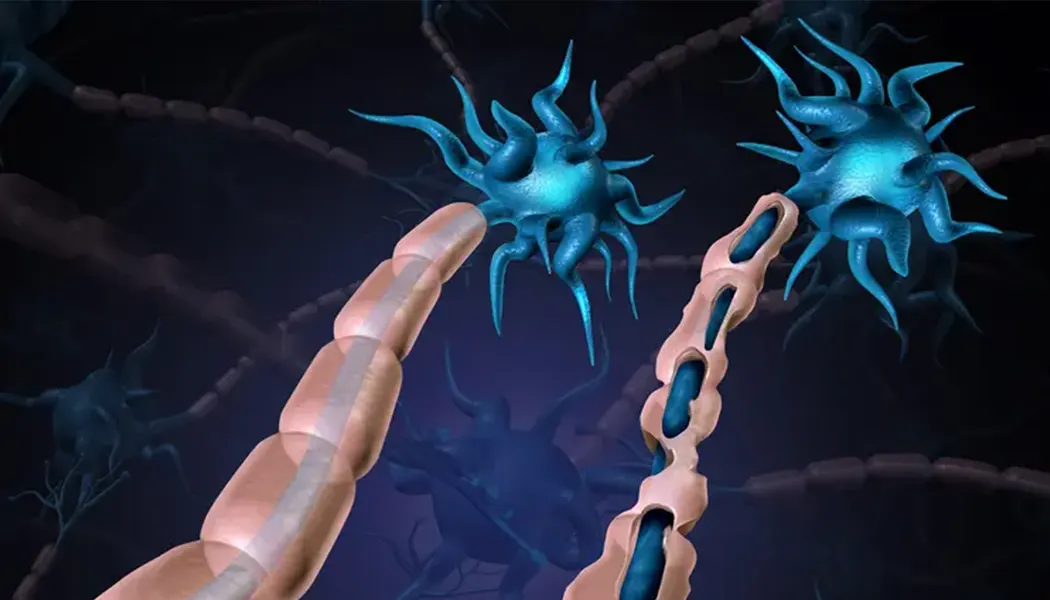
Guillain-Barré Syndrome (GBS) is an uncommon autoimmune neurological condition that affects the peripheral nerves. These nerves carry signals between the brain and spinal cord and the muscles, skin, and other parts of the body.
In GBS, the immune system mistakenly attacks components of the peripheral nerves. Depending on the type of GBS, the immune response may damage the nerve’s protective covering, known as myelin, or other parts of the nerve. This can disrupt or slow down the transmission of nerve signals.
As a result, people may develop symptoms such as:
Progressive Muscle Weakness: Weakness often starts in the legs and may spread upward.
Tingling or Abnormal Sensations: Pins and needles or unusual sensations may occur in the hands and feet.
Reduced Reflexes: Normal reflex responses may become reduced or absent.
Difficulty Walking: Increasing weakness can affect standing and walking.
GBS often develops over days or weeks. In more severe cases, weakness can progress quickly and affect muscles involved in breathing, swallowing, facial movement, or other essential functions.
GBS is a medical emergency that requires prompt medical evaluation, particularly when symptoms are rapidly progressing. With appropriate medical treatment and rehabilitation, many people improve, although the speed and extent of recovery vary significantly between individuals.
What Are The Symptoms Of Guillain-Barré Syndrome?
Progressive Weakness: Weakness commonly begins in the feet or legs and may gradually spread upward to the arms and upper body.
Tingling or Pins and Needles: Abnormal sensations may begin in the toes, feet, fingers, or hands.
Numbness or Reduced Sensation: Some individuals may experience changes in how they feel touch, temperature, or other sensations.
Difficulty Walking: Leg weakness may cause unsteadiness, difficulty climbing stairs, or an inability to walk independently.
Reduced or Absent Reflexes: Reflexes may become weaker or disappear.
Muscle Pain or Nerve Pain: Some people experience aching, burning, shooting, or nerve-related pain.
Difficulty Moving the Arms: As weakness progresses, lifting or using the arms may become difficult.
Facial Weakness: Some individuals may experience weakness affecting facial muscles.
Difficulty Swallowing or Speaking: More significant nerve involvement can affect muscles used for swallowing and speech.
Breathing Difficulties: Severe GBS can weaken the muscles involved in breathing and may require urgent respiratory support.
Changes in Heart Rate or Blood Pressure: In some cases, GBS can affect the autonomic nervous system and cause changes in heart rate, blood pressure, sweating, or other automatic body functions.
What Are The Causes Of Guillain-Barré Syndrome?
The exact reason why the immune system begins attacking peripheral nerves is not fully understood. GBS often develops after the immune system has been activated by an infection or, less commonly, another trigger.
Recent Infection: GBS may develop days or weeks after certain viral or bacterial infections.
Respiratory Infection: Some people report a recent respiratory illness before developing symptoms.
Gastrointestinal Infection: Certain gastrointestinal infections have been associated with an increased risk of GBS.
Immune System Response: The body’s immune response may mistakenly react with components of peripheral nerves.
Rare Medical Triggers: In some cases, GBS has been reported after surgery or other medical events, although a clear trigger is not always identified.
No Identifiable Trigger: Some people develop GBS without a clearly recognised preceding illness or event.
GBS is not contagious and cannot be passed directly from one person to another.
Diagnosis Of Guillain-Barré Syndrome
Medical History: A healthcare professional will ask about the development and progression of weakness, changes in sensation, recent illness, and other relevant symptoms.
Neurological Examination: Muscle strength, reflexes, sensation, balance, coordination, and nerve function are assessed.
Reflex Testing: Reduced or absent reflexes can be an important clinical finding in GBS.
Nerve Conduction Studies: These tests assess how quickly and effectively electrical signals travel through the peripheral nerves.
Electromyography (EMG): EMG may be used to assess electrical activity in muscles and provide information about nerve and muscle function.
Lumbar Puncture: A sample of cerebrospinal fluid may be collected and analysed for findings that can support the diagnosis.
Breathing Assessment: Lung function and respiratory muscle strength may be monitored because GBS can affect breathing.
Heart Rate and Blood Pressure Monitoring: Medical teams may monitor autonomic function, particularly in more severe cases.
Additional Tests: Blood tests, imaging, and other investigations may be performed to rule out other causes of rapidly developing weakness.
GBS is diagnosed based on the overall clinical picture, examination findings, and appropriate investigations. Early medical assessment is essential because symptoms can progress rapidly.
Treatment Of Guillain-Barré Syndrome
Hospital Monitoring: Many people with GBS require hospital assessment and monitoring, particularly during the early or progressive stage of the condition.
Intravenous Immunoglobulin (IVIG): IVIG may be used to modify the immune response and is one of the main medical treatments for GBS.
Plasma Exchange: Also known as plasmapheresis, this treatment may be used in suitable patients to remove certain components from the blood involved in the immune response.
Respiratory Support: People with significant breathing muscle weakness may require oxygen support, close respiratory monitoring, or mechanical ventilation.
Pain Management: Appropriate medication may be used to manage nerve-related or muscular pain.
Prevention of Complications: Medical care may focus on preventing complications associated with severe weakness and reduced mobility.
Nutritional and Swallowing Support: Some patients may require specialist support when swallowing or nutrition is affected.
Physiotherapy and Rehabilitation: Rehabilitation becomes an important part of recovery, helping suitable patients gradually restore movement, strength, endurance, balance, and independence.
Occupational Therapy: Occupational therapy may support independence with daily activities, self-care, hand function, and return to meaningful activities.
Recovery from GBS varies significantly. Some people recover within months, while others may require longer-term rehabilitation and continue to experience residual weakness, fatigue, or other symptoms.
What Is The Physiotherapy Treatment Of Guillain-Barré Syndrome
Comprehensive Functional Assessment: At Pure Physio, rehabilitation begins with assessing muscle strength, joint mobility, sensation, balance, walking ability, endurance, respiratory status where relevant, and current functional independence.
Safe Positioning and Mobility: During periods of significant weakness, appropriate positioning and assisted movement may help maintain comfort and reduce complications associated with prolonged immobility.
Range of Motion Exercises: Carefully guided active, assisted, or passive movements may help maintain joint mobility and reduce the risk of stiffness.
Gradual Muscle Strengthening: Strengthening is introduced carefully and progressively according to nerve recovery, muscle activity, fatigue levels, and overall physical capacity.
Bed Mobility and Transfer Training: Rehabilitation may focus on practical skills such as turning in bed, sitting up, moving between the bed and chair, and standing safely.
Balance Rehabilitation: Suitable exercises may help improve sitting and standing balance as strength and mobility improve.
Gait Training: Patients may receive progressive walking rehabilitation with appropriate mobility aids when required.
Endurance and Activity Training: Activity is gradually progressed to improve physical tolerance while carefully managing fatigue.
Avoiding Overexertion: GBS recovery can involve significant fatigue. Exercise intensity and volume should be carefully adjusted to avoid excessive physical exhaustion.
Functional Rehabilitation: Therapy focuses on helping patients regain skills needed for everyday activities, including walking, climbing stairs, dressing, moving around the home, and returning to appropriate work or community activities.
Respiratory Physiotherapy: Where medically indicated and under appropriate clinical supervision, physiotherapy may support respiratory function and chest clearance.
Home Exercise and Self-Management Programme: A personalised programme may be provided and adjusted throughout recovery to support ongoing movement, strength, and functional progress.
Regular Progress Monitoring: Rehabilitation is reviewed regularly because recovery patterns can vary significantly from person to person.
Why Choose Pure Physio?
Personalised Neurological Rehabilitation: Every GBS recovery journey is different. Our rehabilitation programmes are adapted to your current strength, mobility, endurance, fatigue, and functional needs.
Focus on Safe Progression: Exercises and activities are progressed carefully according to your physical capacity and medical guidance.
Functional Recovery Approach: We focus on practical goals such as sitting, standing, walking, transfers, balance, stair climbing, and returning to meaningful everyday activities.
Fatigue-Aware Rehabilitation: Rehabilitation considers the impact of fatigue and aims to balance activity, recovery, and gradual physical progression.
Progressive Strength and Mobility Training: Treatment may include appropriate range-of-motion exercises, strengthening, balance training, gait rehabilitation, and endurance development.
Support for Independence: Our goal is to help suitable patients improve confidence and independence in everyday movement and functional activities.
Coordinated Care Approach: GBS often requires multidisciplinary medical care. Physiotherapy rehabilitation can be adapted in coordination with relevant neurologists, physicians, and other healthcare professionals to support each stage of recovery.
Start Your Recovery Journey Today
Don’t let pain, stiffness, or reduced mobility affect your daily life. Get personalised physiotherapy care designed around your condition and recovery goals.