
Ganglion Cyst
Manage discomfort, improve joint movement, and return to comfortable hand and wrist function with personalised physiotherapy support for a ganglion cyst.
Contents
Take the First Step Towards Better Movement
Our experienced physiotherapists are here to help you improve mobility, regain strength, and move with greater comfort and confidence.
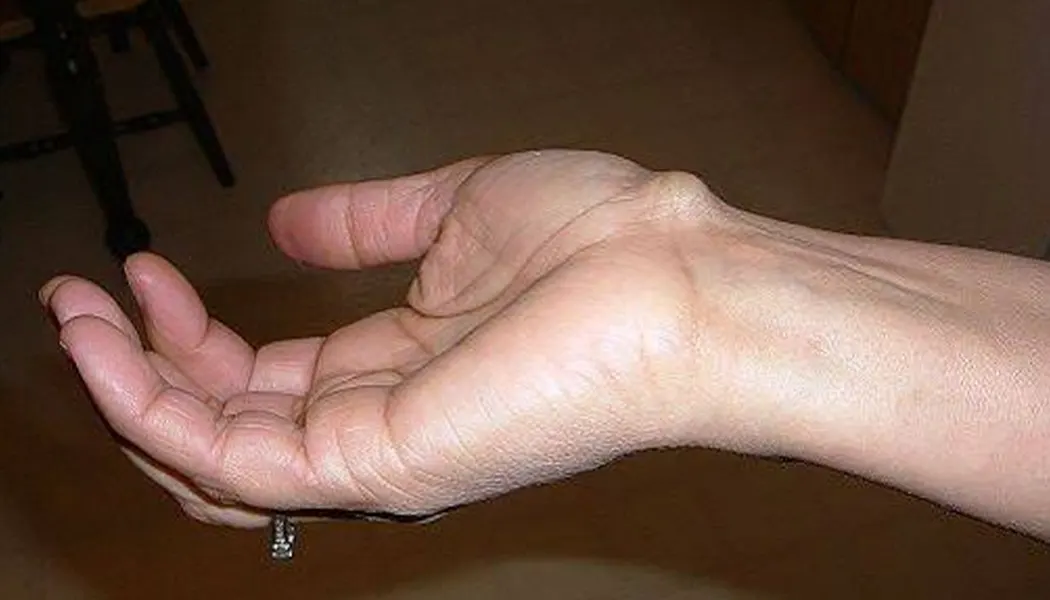
What is Ganglion Cyst?
A Ganglion Cyst is a fluid-filled lump that commonly develops around a joint or tendon, most often on the wrist or hand, although it can also occur in other areas such as the foot or ankle. The lump may change in size and can be painless, but some people experience aching, pressure, stiffness, reduced movement, or discomfort during certain activities. In some cases, a ganglion cyst may press on nearby nerves and cause tingling or numbness. At Pure Physio, physiotherapy can help manage associated pain, stiffness, and movement limitations while supporting comfortable function and recovery alongside appropriate medical care.
A ganglion cyst is a non-cancerous, fluid-filled lump that develops near a joint or tendon sheath. It contains a thick, jelly-like fluid similar to the fluid that helps lubricate joints and tendons.
Ganglion cysts most commonly develop around the wrist, particularly on the back of the wrist. They can also appear on the palm side of the wrist, at the base of the fingers, around finger joints, or on the foot and ankle.
The cyst may be small and barely noticeable or become larger over time. Its size can sometimes change, with the lump becoming more prominent during certain activities and smaller at other times. Some ganglion cysts disappear without treatment, while others remain or recur.
Although many ganglion cysts are harmless, a new or unexplained lump should be properly assessed to confirm the diagnosis and rule out other causes.
What Are The Symptoms Of Ganglion Cyst?
Common Symptoms
Visible Lump: A smooth, rounded lump may appear near a joint or tendon.
Change in Size: The cyst may become larger or smaller over time.
Wrist or Hand Discomfort: Some people experience aching or discomfort around the affected area.
Pain with Activity: Symptoms may increase when using or loading the affected joint.
Tenderness: The area around the cyst may be sensitive when pressed.
Joint Stiffness: Movement may feel restricted or uncomfortable.
Other Possible Symptoms
Pressure Sensation: A larger cyst may create a feeling of pressure or fullness.
Reduced Range of Motion: Joint movement may be limited if the cyst is large or painful.
Weakness: Pain or reduced use of the hand can affect grip strength.
Tingling: A cyst pressing on a nearby nerve may cause pins-and-needles sensations.
Numbness: Nerve compression may cause reduced sensation in part of the hand or fingers.
Difficulty with Everyday Activities: Gripping, lifting, typing, writing, or weight-bearing through the hand may become uncomfortable.
Some ganglion cysts cause no symptoms at all and are only noticed because of their appearance.
What Are The Causes Of Ganglion Cyst?
The exact cause of a ganglion cyst is not always known. It is thought to develop when joint or tendon fluid collects and forms a sac-like structure.
Possible contributing factors include:
Joint or Tendon Irritation: Repeated irritation around a joint or tendon may contribute to cyst formation.
Repetitive Movement: Frequent use or repeated loading of a joint may be associated with some ganglion cysts.
Previous Injury: A history of trauma or injury around the affected joint may be a contributing factor in some cases.
Joint Stress: Repeated stress on the wrist, hand, or other joints may contribute to irritation.
Degenerative Joint Changes: In some people, joint wear and degenerative changes may be associated with cyst formation.
Ligament or Joint Capsule Changes: Small changes in the tissues surrounding a joint may allow joint fluid to form a cyst.
Ganglion cysts can develop in people without any obvious injury or clear cause.
Diagnosis Of Ganglion Cyst
Medical History: A healthcare professional will ask when the lump appeared, whether it changes in size, and whether it causes pain or other symptoms.
Physical Examination: The size, location, shape, and consistency of the lump are assessed.
Movement Assessment: Joint movement and the effect of symptoms on function may be examined.
Transillumination: In some cases, a light may be used to see whether light passes through the fluid-filled lump.
Ultrasound: Ultrasound can help determine whether the lump is fluid-filled or solid.
MRI Scan: MRI may provide detailed images of the cyst and surrounding joints, tendons, ligaments, and nerves when required.
X-Rays: X-rays do not usually show the cyst itself but may help assess underlying bone or joint changes.
Proper assessment is important, particularly when a lump is painful, rapidly changing, associated with numbness, or has an uncertain diagnosis.
Treatment Of Ganglion Cyst
Treatment depends on the size of the cyst, symptoms, location, and effect on daily activities.
Observation: If the cyst is painless and does not affect function, monitoring may be recommended.
Activity Modification: Temporarily reducing activities that significantly aggravate symptoms may help manage discomfort.
Splinting or Bracing: Temporary support may sometimes reduce painful movement and joint irritation.
Pain Management: Appropriate medication may be recommended by a healthcare professional when required.
Physiotherapy: Physiotherapy can help address pain, stiffness, weakness, and movement limitations associated with the cyst.
Aspiration: A healthcare professional may use a needle to drain fluid from the cyst in selected cases. Recurrence can occur after aspiration.
Surgical Removal: Surgery may be considered if the cyst causes persistent pain, significant functional problems, nerve compression, or recurs after other treatment.
Post-Procedure Rehabilitation: Physiotherapy may help restore movement and strength following immobilisation, aspiration-related restrictions, or surgery when required.
You should avoid trying to burst or hit a ganglion cyst yourself, as this can cause injury to surrounding tissues.
What Is The Physiotherapy Treatment Of Ganglion Cyst
Detailed Assessment: At Pure Physio, we assess the location of symptoms, pain, joint movement, muscle strength, grip, functional limitations, and activities that aggravate discomfort.
Individualised Treatment Programme: Your rehabilitation is tailored according to the location of the cyst, associated symptoms, medical findings, treatment received, and personal goals.
Pain Management Strategies: Appropriate techniques may help manage discomfort and support comfortable movement.
Activity Modification Guidance: We help identify movements or activities that may aggravate symptoms and provide practical strategies to reduce unnecessary joint stress.
Gentle Range of Motion Exercises: Controlled exercises help maintain comfortable movement in the affected joint.
Wrist and Hand Mobility Exercises: When the cyst affects the wrist or hand, exercises can help address stiffness and movement restrictions.
Strengthening Exercises: Progressive exercises help improve the strength of muscles supporting the affected joint.
Grip Strength Training: Appropriate activities may help restore grip and hand function when weakness is present.
Forearm Strengthening: Exercises can support better control and loading capacity around the wrist and hand.
Postural and Movement Education: Guidance can help improve how the arm and hand are positioned during everyday activities.
Ergonomic Advice: Practical recommendations may be provided for workstations, keyboard use, repetitive tasks, lifting, and other activities.
Functional Rehabilitation: Therapy focuses on tasks such as gripping, typing, writing, lifting, carrying, and other activities affected by symptoms.
Post-Operative Rehabilitation: If the cyst is surgically removed, physiotherapy can support the gradual restoration of movement and strength according to the surgeon’s recommendations.
Home Exercise Programme: A personalised programme supports continued mobility and strength between physiotherapy sessions.
Progress Monitoring: Your programme is regularly reviewed and adjusted according to symptoms, movement, strength, and functional improvement.
Why Choose Pure Physio?
Comprehensive Assessment: We assess pain, joint movement, strength, grip, and the effect of symptoms on everyday activities.
Personalised Rehabilitation Plans: Your treatment is tailored according to the cyst location, symptoms, functional limitations, and medical management plan.
Focus on Comfortable Movement: We help address stiffness and movement restrictions affecting the wrist, hand, or other involved joints.
Strength and Function Rehabilitation: Progressive exercises support improved joint control, strength, and functional use.
Activity Modification Guidance: We provide practical strategies to manage activities that aggravate symptoms.
Ergonomic Support: Guidance can help reduce unnecessary stress during work and repetitive tasks.
Grip and Hand Function Training: Rehabilitation supports practical hand use when symptoms affect gripping or dexterity.
Post-Procedure Rehabilitation: We provide structured support following aspiration or surgical treatment when appropriate.
Functional Recovery Focus: Therapy targets meaningful activities at home, work, and during recreation.
Home Exercise Guidance: You receive a personalised programme to support continued progress outside your appointments.
Regular Progress Monitoring: Your rehabilitation is reviewed and adapted according to changes in symptoms and function.
Integrated Care Approach: We work alongside doctors, orthopaedic specialists, hand specialists, and other healthcare professionals when required.
Focused on Long-Term Function: Our goal is to help reduce discomfort, maintain comfortable movement, rebuild strength where needed, and support confident participation in the activities that matter most.
Start Your Recovery Journey Today
Don’t let pain, stiffness, or reduced mobility affect your daily life. Get personalised physiotherapy care designed around your condition and recovery goals.