
Frozen Shoulder
Ease shoulder pain, improve movement, and regain confidence in everyday activities with personalised physiotherapy for frozen shoulder.
Contents
Take the First Step Towards Better Movement
Our experienced physiotherapists are here to help you improve mobility, regain strength, and move with greater comfort and confidence.
What is Frozen Shoulder?
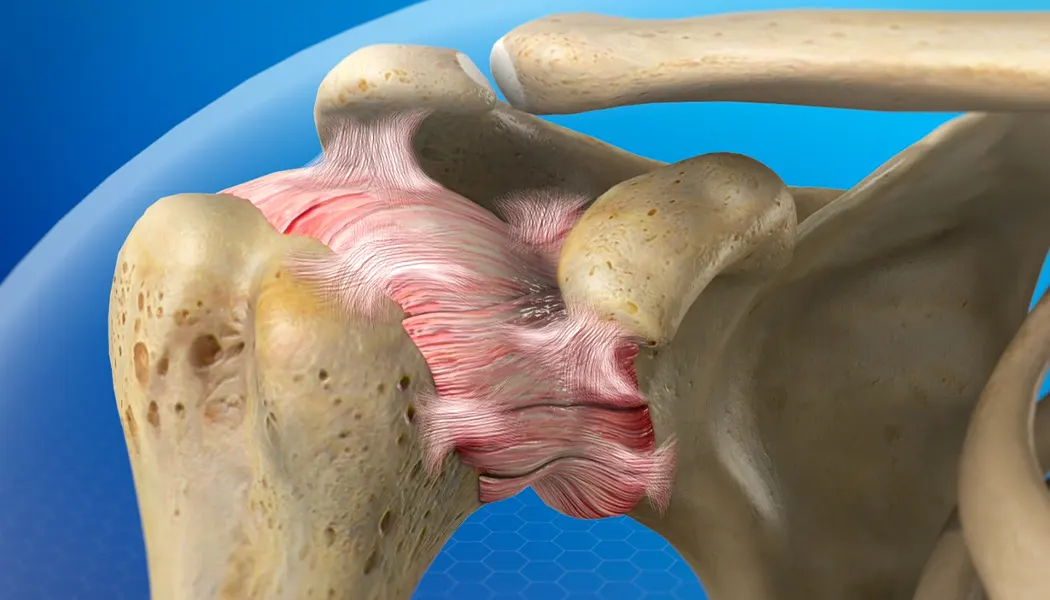
Frozen Shoulder, medically known as Adhesive Capsulitis, is a condition that causes pain, stiffness, and a progressive loss of movement in the shoulder joint. It develops when the capsule surrounding the shoulder becomes inflamed and stiff, making movements such as reaching overhead, behind the back, or getting dressed difficult. Frozen shoulder typically develops gradually and may progress through different stages over several months or longer. At Pure Physio, rehabilitation focuses on managing pain, maintaining and gradually improving shoulder mobility, restoring strength, and helping you return to everyday activities at a pace suited to your condition.
Frozen Shoulder is also called:
Adhesive Capsulitis
It affects the shoulder joint capsule, which is a layer of connective tissue surrounding the shoulder joint.
The shoulder is made up of:
Humerus: The upper arm bone.
Scapula: The shoulder blade.
Glenoid: The socket part of the shoulder blade.
The joint is surrounded by a capsule that helps support the shoulder.
In frozen shoulder, the capsule can become:
Inflamed
Thickened
Stiff
Tightened
This causes the shoulder joint to lose movement.
Frozen shoulder commonly affects both:
Active Movement: Movement performed by the person.
and
Passive Movement: Movement performed with assistance.
A typical feature is progressive restriction in movements, particularly:
External Rotation
Abduction
Reaching Behind the Back
Frozen shoulder often progresses through three general stages.
Freezing Stage
Pain gradually increases.
↓
Shoulder movement becomes progressively more restricted.
Frozen Stage
Pain may reduce for some individuals.
↓
Stiffness and movement restriction remain significant.
Thawing Stage
Shoulder movement gradually improves.
↓
Function may progressively return.
The duration and symptoms of each stage can vary significantly between individuals.
What Are The Symptoms Of Frozen Shoulder?
Shoulder Pain: Pain may develop gradually and become persistent.
Pain at Night: Shoulder pain may make sleeping uncomfortable.
Pain When Lying on the Affected Side: Direct pressure can aggravate symptoms.
Progressive Stiffness: The shoulder gradually becomes increasingly difficult to move.
Reduced Range of Motion: Lifting or rotating the arm may become restricted.
Difficulty Reaching Overhead: Activities such as placing objects on high shelves may be difficult.
Difficulty Reaching Behind the Back: Dressing, fastening clothing, or reaching a back pocket may become challenging.
Difficulty with Grooming: Combing hair or washing the hair may be difficult.
Difficulty Getting Dressed: Putting on or removing clothes may become painful or restricted.
Difficulty with Daily Activities: Reaching, lifting, carrying, and household activities may be affected.
Pain During Movement: Certain movements can cause sharp or aching pain.
Shoulder Muscle Weakness: Reduced use of the arm may lead to weakness and reduced muscle endurance.
Compensatory Movement: A person may excessively move the shoulder blade or trunk to compensate for limited shoulder movement.
Reduced Confidence Using the Arm: Pain and stiffness may cause people to avoid using the affected arm.
What Are The Causes Of Frozen Shoulder?
The exact cause is not always clear.
Frozen shoulder may develop without an obvious injury. This is often called:
Primary or Idiopathic Frozen Shoulder
In other cases, it can develop after another condition or event affecting shoulder movement.
Shoulder Injury: Pain after an injury may lead to reduced shoulder movement.
Shoulder Surgery: Temporary immobilisation or reduced movement after surgery can increase the risk.
Prolonged Immobilisation: Keeping the shoulder still for an extended period can contribute.
Fracture: Recovery after an arm or shoulder fracture may limit movement.
Rotator Cuff Disorders: Other painful shoulder conditions may contribute to reduced movement.
Stroke: Weakness and reduced arm movement after stroke may increase the risk.
Diabetes: People with diabetes have a higher risk of developing frozen shoulder.
Thyroid Disorders: Certain thyroid conditions are associated with an increased risk.
Parkinson’s Disease: Some neurological conditions are associated with a higher incidence of frozen shoulder.
Cardiovascular Disease: Certain medical conditions may also be associated with an increased risk.
Frozen shoulder is more common in adults between approximately 40 and 60 years of age, although it can occur outside this age range.
Diagnosis Of Frozen Shoulder
Medical History: A healthcare professional will ask about the onset of pain, progression of stiffness, previous injuries, medical conditions, and functional difficulties.
Physical Examination: Shoulder movement, pain, posture, muscle function, and surrounding structures are assessed.
Active Range of Motion: The person is asked to move the shoulder independently.
Passive Range of Motion: The healthcare professional assesses how far the shoulder can move with assistance.
External Rotation Assessment: Significant restriction in external rotation is a common clinical feature.
Strength Assessment: Shoulder and surrounding muscle strength may be evaluated.
Functional Assessment: Reaching, lifting, dressing, grooming, and other daily activities may be assessed.
X-Rays: X-rays may be used to rule out arthritis, fracture, or other bony conditions.
Ultrasound: Ultrasound may help assess other shoulder structures when another condition is suspected.
MRI: MRI may be used when the diagnosis is unclear or other shoulder problems need to be investigated.
Diagnosis is primarily based on the person’s history and clinical examination, with imaging used when appropriate.
Treatment Of Frozen Shoulder
Treatment depends on the stage of the condition, severity of pain, degree of stiffness, and individual functional needs.
Pain Management: A doctor may recommend appropriate medication to manage pain.
Physiotherapy: A structured rehabilitation programme can help manage pain and gradually improve movement and function.
Activity Modification: Activities may be temporarily adjusted to reduce unnecessary pain.
Gentle Shoulder Exercises: Controlled exercises can help maintain and gradually improve mobility.
Stretching: Carefully selected stretching may be used according to pain and shoulder irritability.
Strengthening: Strengthening exercises are progressed as movement and pain improve.
Heat Therapy: Heat may provide temporary relief from muscle tightness for some individuals.
Manual Therapy: Appropriate hands-on techniques may be used by an experienced physiotherapist when clinically suitable.
Corticosteroid Injection: A steroid injection may be considered by a medical specialist, particularly when pain and inflammation are significant.
Hydrodilatation: In selected cases, fluid may be injected into the shoulder joint capsule to help improve movement.
Manipulation Under Anaesthesia: In selected cases, a specialist may consider controlled shoulder manipulation under anaesthesia.
Arthroscopic Capsular Release: Surgery may be considered when significant stiffness persists despite appropriate conservative management.
Recovery can take time, and treatment is tailored according to the individual’s stage of recovery and response.
What Is The Physiotherapy Treatment Of Frozen Shoulder
Detailed Shoulder Assessment: At Pure Physio, we assess your pain, stage of the condition, shoulder movement, strength, posture, daily activities, and functional goals.
Pain-Guided Rehabilitation: Exercise intensity is adapted according to pain levels and shoulder irritability.
Gentle Range of Motion Exercises: Controlled exercises may help maintain and gradually improve available shoulder movement.
Passive and Active-Assisted Exercises: Assisted movements may be used to encourage comfortable shoulder mobility.
Stretching Exercises: Specific stretches may be introduced and progressed according to your stage of recovery.
Joint Mobility Techniques: Carefully selected manual techniques may be used when clinically appropriate.
Shoulder Blade Rehabilitation: Exercises can improve scapular movement and control.
Rotator Cuff Strengthening: Progressive exercises help restore strength and support shoulder function.
Upper-Back Mobility: Improving thoracic movement may support efficient shoulder mechanics.
Postural Training: Rehabilitation may address postural habits that contribute to muscle tension or inefficient movement.
Functional Movement Training: Therapy focuses on practical activities such as reaching overhead, dressing, grooming, lifting, and reaching behind the back.
Gradual Strengthening: Resistance is increased progressively as pain and movement improve.
Home Exercise Programme: A personalised programme supports regular rehabilitation between sessions.
Progress Monitoring: Your treatment plan is regularly adjusted according to improvements in pain, movement, and functional ability.
Physiotherapy should be tailored to the stage of frozen shoulder, as overly aggressive stretching may increase pain and irritability in some individuals.
Why Choose Pure Physio?
Detailed Shoulder Assessment: We assess your pain, movement restrictions, strength, functional difficulties, and stage of recovery.
Personalised Rehabilitation Plans: Treatment is adapted to your symptoms, shoulder irritability, physical abilities, and daily needs.
Stage-Specific Physiotherapy: Your rehabilitation is adjusted according to whether pain, stiffness, or recovery of movement is the main concern.
Focus on Pain and Mobility: We aim to help reduce the impact of pain while gradually improving shoulder movement.
Safe Exercise Progression: Exercises are progressed according to your individual response rather than following a one-size-fits-all approach.
Shoulder Strength and Control: Rehabilitation focuses on rebuilding the strength and control needed for everyday arm movements.
Functional Recovery Focus: Treatment addresses practical goals such as dressing, grooming, reaching, lifting, working, and sleeping more comfortably.
Education and Self-Management: We provide guidance on exercises, activity modification, and realistic recovery progression.
Ongoing Progress Monitoring: Your programme is regularly reviewed and adjusted as your shoulder condition changes.
Integrated Care Approach: Where injections, specialist assessment, hydrodilatation, or surgery are required, we can provide physiotherapy as part of a coordinated treatment and recovery plan.
Focused on Restoring Movement Confidence: Our goal is to help you gradually regain comfortable shoulder movement, improve independence, and return to the activities that matter to you.
Start Your Recovery Journey Today
Don’t let pain, stiffness, or reduced mobility affect your daily life. Get personalised physiotherapy care designed around your condition and recovery goals.